
Firefighter Salary: Everything You Need to Know in 2026 October
Pass your Firefighter Salary: ✏️ Everything You Need exam on the first attempt. Practice questions with detailed answer explanations, hints, and instant
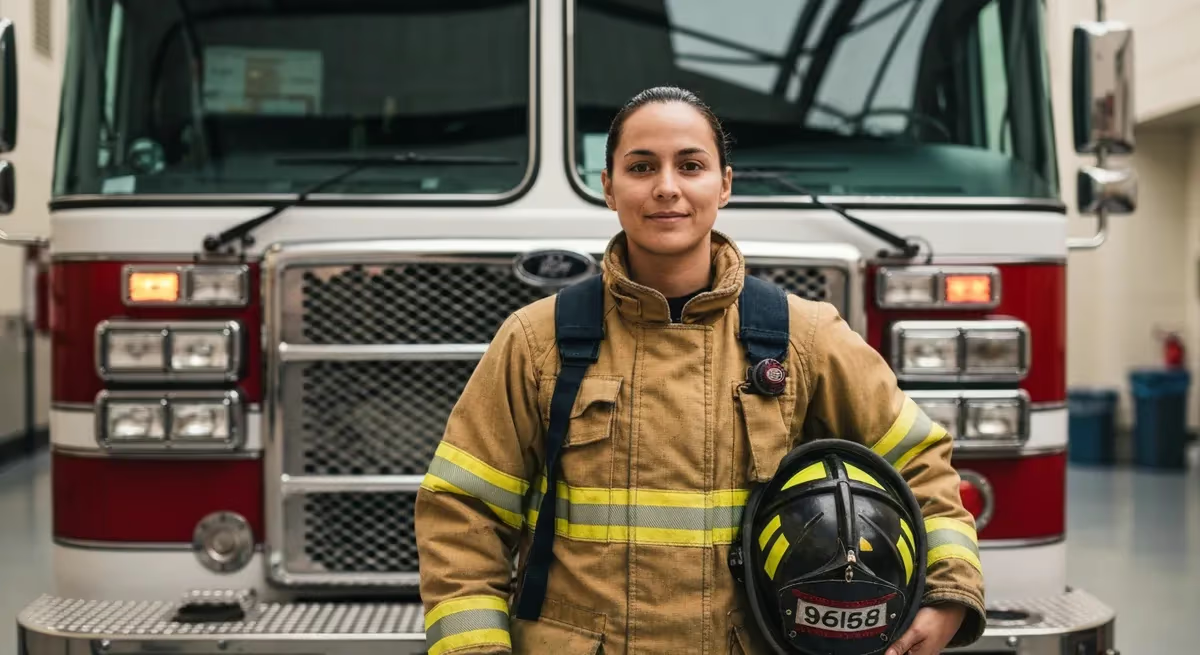
Firefighter salary is the annual compensation paid to professional firefighters, which varies significantly based on geographic location, rank, and years of experience. In the United States, the median annual wage for firefighters was $57,630 as of May 2026, with earnings often supplemented by overtime pay and specialized skill incentives.
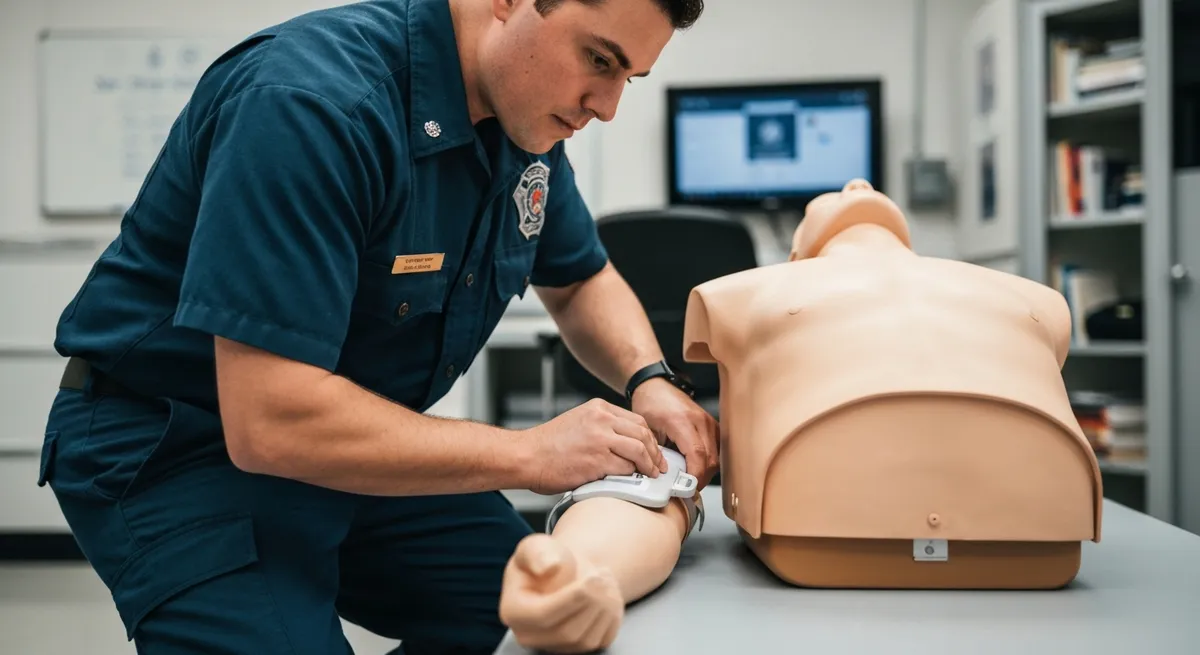
NREMT Requirements and Preparation
Before you can earn a competitive firefighter salary, you must meet the medical training requirements that are foundational to the role. The vast majority of fire departments in the United States require applicants to be certified as an Emergency Medical Technician (EMT) at the very least. This is because firefighters are often the first responders to medical emergencies, from car accidents to cardiac arrests. This certification is not just a box to check—it's a critical skillset that directly impacts public safety and is a non-negotiable prerequisite for the job.
The primary pathway to certification is through the National Registry of Emergency Medical Technicians (NREMT). The NREMT provides a national standard for EMS care and certification. To become nationally certified, you must successfully pass two exams after completing an approved course: a cognitive (knowledge) exam and a psychomotor (practical skills) exam. The cognitive portion is a computer-adaptive test covering the full spectrum of EMS care, while the psychomotor exam requires you to demonstrate hands-on proficiency in skills like patient assessment, cardiac arrest management, and trauma care.
Successfully passing these exams is your gateway to earning a firefighter salary. Furthermore, advancing your certification to an Advanced EMT (AEMT) or Paramedic level can significantly increase your potential firefighter salary and make you a more desirable candidate. Preparation is essential for success. Mastering critical areas like patient assessment and airway management is vital. You can sharpen these skills by taking our EMT Airway and Breathing Practice Test to gauge your readiness for the cognitive exam.
While the NREMT sets the national standard, it's important to note that each state has its own specific requirements for licensure—the legal authority to practice. Most states use NREMT certification as a basis for granting a state license, but you should always verify the exact process with your state's EMS office. Fulfilling these medical requirements is a crucial first step on your path to a rewarding career and a stable firefighter salary.
Emergency dispatchers can prepare for NAEMSP certification with our free EMD Emergency Medical Dispatcher certification practice test — covering call processing, pre-arrival instructions, and priority dispatch protocols.
Firefighter candidates can prepare for the National Testing Network or CPS written exam with our free CPS firefighter written exam practice test — covering reading comprehension, mechanical aptitude, and situational awareness.
You can continue preparing with the nremt practice test free, which includes answer explanations for every question.
You can continue preparing with the nremt practice questions, which includes answer explanations for every question.
You can continue preparing with the nremt patient assessment medical, which includes answer explanations for every question.
Cost Breakdown and Funding Options
What is the typical cost for an EMT-Basic course?: EMT-B course tuition generally ranges from $800 to $2,000. Costs vary based on the institution (e.g., community college vs. private academy) and geographic location.
Are there additional costs beyond tuition?: Yes. Students should budget for textbooks ($100-$300), uniforms ($100-$250), a background check ($50-$100), and essential equipment like a stethoscope, trauma shears, and a blood pressure cuff ($50-$150).
How do Paramedic program costs compare?: Paramedic programs are substantially more expensive due to their length and depth, often ranging from $5,000 to over $15,000. This advanced certification typically leads to a higher firefighter salary.
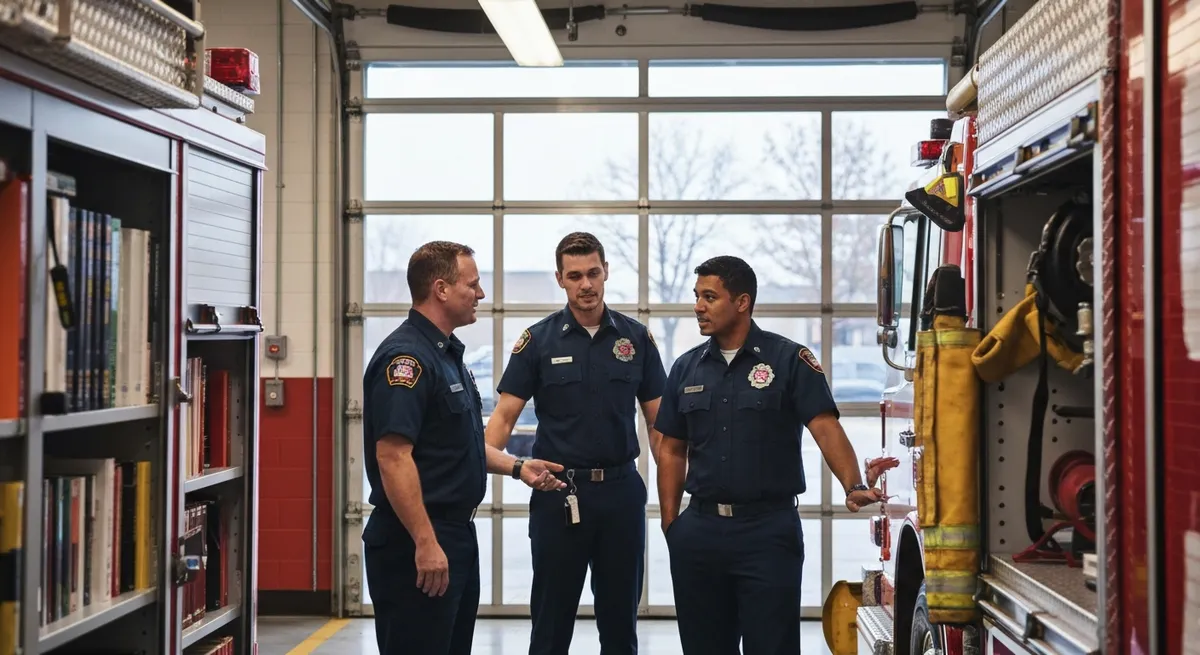
Earning your NREMT certification is a foundational step that can significantly boost your starting firefighter salary. Use this checklist to navigate the process successfully.
NREMT Certification Checklist for Firefighters
- ✓🎓 Complete a state-approved Emergency Medical Technician (EMT) training course.
- ✓💪 Pass the NREMT Psychomotor Examination to demonstrate your hands-on patient care skills.
- ✓🧠 Pass the NREMT Cognitive Examination (CAT) to verify your theoretical knowledge.
- ✓💻 Create an account on the NREMT website and submit your official application for certification.
- ✓🔄 Maintain your certification through continuing education and recertification every two years.
Firefighter Salary: Pros and Cons
- +NREMT salary data provides benchmarks that help professionals negotiate compensation and evaluate job offers objectively
- +Understanding salary ranges by experience level helps professionals plan career progression and timing of role changes
- +Geographic salary variation data helps candidates evaluate relocation decisions with accurate financial context
- +Specialty or certification premiums within the field provide clear ROI data for professional development investments
- +Published salary data creates transparency that reduces information asymmetry in compensation negotiations
- −Published salary averages may not reflect local market conditions — cost of living differences make national averages misleading in high-cost cities
- −Salary surveys may be based on self-reported data from non-representative samples, potentially skewing results
- −Entry-level salary data is often less accurate than mid-career data, as entry-level roles vary widely in scope and title
- −Benefits, bonuses, and total compensation can vary as much as base salary, making base salary comparisons incomplete
- −Salary data ages quickly in high-demand fields — reports more than 1–2 years old may significantly understate current market rates
Pros and Cons at a Glance
| Pros | Cons |
|---|---|
| NREMT salary data provides benchmarks that help professionals negotiate compensation and evaluate job offers objectively | Published salary averages may not reflect local market conditions — cost of living differences make national averages misleading in high-cost cities |
| Understanding salary ranges by experience level helps professionals plan career progression and timing of role changes | Salary surveys may be based on self-reported data from non-representative samples, potentially skewing results |
| Geographic salary variation data helps candidates evaluate relocation decisions with accurate financial context | Entry-level salary data is often less accurate than mid-career data, as entry-level roles vary widely in scope and title |
| Specialty or certification premiums within the field provide clear ROI data for professional development investments | Benefits, bonuses, and total compensation can vary as much as base salary, making base salary comparisons incomplete |
Sample NREMT Practice Questions
Try these questions from our free NREMT practice tests. The correct answer and an explanation follow each question.
You are assessing the vital signs of a child at a public health center. Which of the following would be considered a normal set of vitals for a healthy nine-year-old child?
- A. Respirations 14 breaths per minute, pulse 60 beats per minute, BP 190/70 mmHg.
- B. Respirations 20 breaths per minute, heart rate 98 beats per minute, BP 106/78 mmHg.
- C. Respirations 12 breaths per minute, pulse 135 beats per minute, BP 90/62 mmHg.
- D. Respirations 45 breaths per minute, pulse 58 beats per minute, BP 128/66 mmHg.
Answer: B. Respirations 20 breaths per minute, heart rate 98 beats per minute, BP 106/78 mmHg.
Normal vital signs for a healthy 9-year-old child typically include a respiratory rate of 18-30 breaths per minute, a heart rate of 70-110 beats per minute, and a blood pressure around 97-115/57-76 mmHg. Option B, with respirations at 20, heart rate at 98, and BP at 106/78, falls perfectly within these established normal ranges. The other options present values that are outside these healthy parameters for a child of this age.
Which of the following is the correct route and location for epinephrine auto-injector administration?
- A. Subcutaneous injection into the abdomen
- B. Intramuscular injection into the anterolateral thigh
- C. Intravenous injection into the antecubital fossa
- D. Intramuscular injection into the deltoid muscle
Answer: B. Intramuscular injection into the anterolateral thigh
Epinephrine auto-injectors (EpiPens) are designed for intramuscular injection into the anterolateral thigh (outer mid-thigh), which provides the fastest absorption. They can be administered through clothing.
A patient in active labor reports feeling a strong urge to push and says the baby is coming. The EMT sees crowning. The proper technique for controlling the head delivery is:
- A. Tell the patient to push as hard as possible to speed delivery
- B. Apply gentle counterpressure to the baby's head to guide a slow, controlled delivery
- C. Pull down on the baby's head to assist delivery
- D. Cover the vaginal opening with a sterile drape and transport immediately
Answer: B. Apply gentle counterpressure to the baby's head to guide a slow, controlled delivery
Gentle counterpressure to the crowning head guides a slow, controlled delivery, reducing the risk of rapid expulsion that can cause maternal lacerations and neonatal injury.
Activated charcoal is indicated for which of the following ingestion scenarios?
- A. A patient who ingested gasoline 30 minutes ago
- B. A patient who ingested acetaminophen (Tylenol) 45 minutes ago and is alert and able to swallow
- C. A patient with altered mental status who ingested sleeping pills
- D. A patient who ingested a caustic cleaning agent
Answer: B. A patient who ingested acetaminophen (Tylenol) 45 minutes ago and is alert and able to swallow
Activated charcoal works by adsorbing the toxin in the GI tract. It is most effective when given within 1 hour of ingestion. An alert patient who can protect their airway and ingested a charcoal-responsive substance (like acetaminophen) is the appropriate candidate.
NREMT Questions and Answers
More NREMT - National Registry of Emergency Medical Technicians Resources

EMT Medical Sample Test 2 — Practice Questions for NREMT Success
NREMT Study Test: 7 Essential Tips for Passing Your EMT Exam

NREMT Practice Test Free 2026

Free NREMT Practice Test: EMT Exam Prep Questions 2026

How Much Do Emts Make: Complete 2026 Guide
NREMT Video Questions & Answers
About the Author

Paramedic & Emergency Services Certification Trainer
George Washington UniversityCaptain Ryan O'Brien is a licensed paramedic and NREMT-certified emergency medical professional with a Bachelor of Science in Emergency Medical Services from George Washington University. He has 15 years of field experience as a paramedic and firefighter, and has coached hundreds of EMT and paramedic candidates through their NREMT written and psychomotor licensing examinations.
Join the Discussion
Connect with other students preparing for this exam. Share tips, ask questions, and get advice from people who have been there.
View discussion (2 replies)