
Nurse Practitioner Day: Honoring NPs and Celebrating the Profession in 2026 October
🔎 Nurse practitioner day honors 385,000+ NPs nationwide. Discover the history, celebration ideas, advocacy efforts, and how to recognize NPs on November 13.

Nurse practitioner day, observed every November 13 across the United States, is the annual celebration that honors more than 385,000 licensed nurse practitioners who serve as primary, acute, and specialty care providers in every corner of the country. The day recognizes the clinical excellence, patient advocacy, and tireless commitment that NPs bring to bedside care, clinic visits, telehealth platforms, and policy boardrooms. For one day each year, hospitals, health systems, professional associations, and grateful patients pause to thank the providers who write prescriptions, diagnose chronic disease, deliver babies, and counsel families through the hardest moments of their lives.
The American Association of Nurse Practitioners (AANP) officially designated this annual observance in 2019, formalizing a celebration that NP communities had been holding informally for decades. November 13 was chosen to commemorate the founding of the first NP program at the University of Colorado in 1965 by Dr. Loretta Ford and Dr. Henry Silver. Today, the date has grown beyond a single 24-hour window into NP Week, a full seven-day stretch of recognition events, social media campaigns, advocacy pushes, and educational outreach that culminates on the official Wednesday observance.
What began as a workforce experiment to address pediatric primary care shortages in rural Colorado has evolved into one of the fastest-growing professions in American healthcare. The U.S. Bureau of Labor Statistics now projects 45% job growth for nurse practitioners through 2032, far outpacing nearly every other profession tracked. That growth reflects a country that increasingly relies on advanced practice nurses to fill primary care gaps, deliver mental health services, and expand access in medically underserved communities where physicians are scarce.
Celebrating nurse practitioner day matters because the public still confuses NPs with registered nurses, physician assistants, or medical assistants. Public awareness campaigns built around November 13 directly address that knowledge gap, explaining that NPs hold master's or doctoral degrees, complete 500 to 1,500 supervised clinical hours, pass rigorous national certification exams, and practice with full prescriptive authority in 27 states plus Washington D.C. The day is as much an education campaign as a celebration.
For working NPs, the day carries deeper personal meaning. It validates years of clinical training, the financial sacrifice of graduate school, and the emotional labor of caring for patients during a healthcare system stretched thin by burnout, staffing shortages, and pandemic aftershocks. Hospital cafeterias hand out cupcakes, leadership sends companywide emails, and patients drop off cards at clinic front desks. Small gestures, but for providers who chose this path to make a difference, the public acknowledgment lands meaningfully.
This guide walks through the history of nurse practitioner day, the modern celebration calendar, how employers and patients honor NPs, the advocacy agenda that frames each November observance, and practical ways aspiring NPs can use the moment to connect with mentors, employers, and the broader profession. Whether you are an established NP, a graduate student weeks away from certification, or a registered nurse weighing the career leap, understanding what this day represents helps you participate fully in a tradition that grows larger and more meaningful with every passing year.
NP Week 2026 runs November 8 through November 14, with official nurse practitioner day falling on Friday, November 13. AANP, state NP associations, and major health systems publish themed toolkits, social media graphics, advocacy talking points, and continuing education offerings tied to the week. Below you will find the complete background, celebration playbook, and forward-looking agenda that will shape this year's observance from coast to coast.
Nurse Practitioner Day by the Numbers
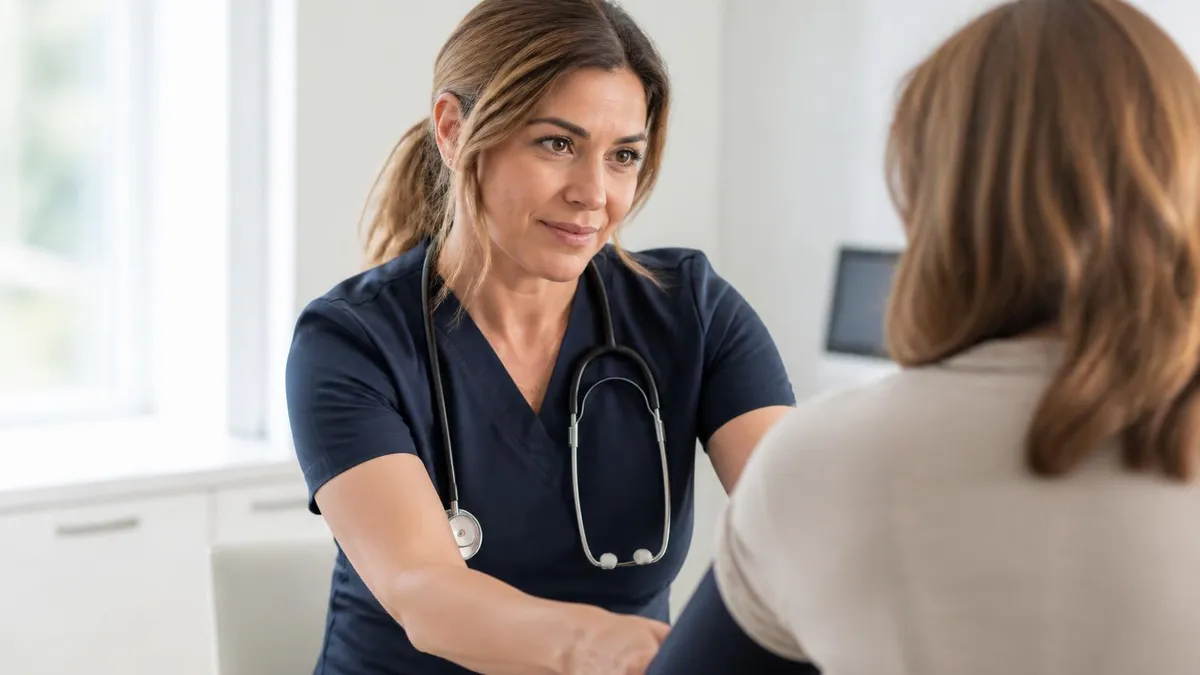
History and Origin of Nurse Practitioner Day
1965 — First NP Program Launches
1985 — AANP Founded
1991 — NP Week Established
2019 — November 13 Designated
2022 — One Billion Visits
2026 — Modern Observance
How nurse practitioner day actually plays out depends heavily on the workplace, the state, and the individual NP's professional community. Large hospital systems treat the observance as an enterprise-wide event, with system CEOs publishing video messages, HR teams coordinating gift deliveries to every NP on payroll, and marketing departments rolling out social campaigns that profile individual providers. Smaller clinics and private practices keep things personal: a catered lunch, handwritten cards from patients, and maybe a small gift card tucked into each provider's mailbox.
Patient-facing celebrations have become a hallmark of the day. Health systems encourage patients to share thank-you stories through dedicated landing pages, social media hashtags like #ThankYourNP and #NPsLeadTheWay, and physical card drops at clinic reception desks. These campaigns serve a dual purpose: they make individual NPs feel valued, and they educate the wider patient community about what nurse practitioners actually do, particularly when stories highlight diagnoses caught, lives saved, or chronic conditions managed compassionately.
Professional associations run the celebration's organizational backbone. AANP releases an annual toolkit weeks in advance that includes social media templates, email signatures, Zoom backgrounds, and printable posters. State NP associations layer on regional events: continuing education conferences, advocacy day visits to state capitols, networking receptions, and award ceremonies recognizing NP of the Year. Many states schedule legislative briefings during NP Week to push scope-of-practice modernization while attention is high.
Universities and graduate programs use the day to engage current students and alumni. Schools post throwback photos of founding faculty, host panel discussions with practicing alumni, and run open-house events for prospective students considering a nurse practitioner degree. These events double as informal recruiting, connecting curious BSN-prepared nurses with admissions counselors who can walk them through MSN, DNP, and post-master's certificate pathways.
Employers have grown more creative with recognition over the past decade. Tier-one health systems now offer NP Week perks that include continuing education stipends, bonus PTO days, paid registration to national conferences, branded merchandise, and recognition dinners with senior leadership. Some hospitals launch new NP-led initiatives during the week to demonstrate institutional investment, such as opening NP-staffed urgent care extensions or expanding NP roles into specialty service lines.
Social media has transformed the public-facing celebration. Instagram, LinkedIn, and TikTok flood with NP content during NP Week, from career retrospectives to day-in-the-life videos to humorous reels about charting marathons. Hashtags trend regionally, and AANP coordinates a global Thunderclap-style push on the morning of November 13 to maximize visibility. For NPs early in their careers, posting during NP Week has become a networking ritual that builds professional brand and connects them with peers nationwide.
Patients participate in ways large and small. Some bake cookies for the office. Others write LinkedIn recommendations or Google reviews praising specific providers. A growing trend involves patients tagging their NPs in public thank-you posts, generating organic content that practices then amplify through their own channels. For NPs working in mental health, primary care, and women's health, where therapeutic relationships span years, these public acknowledgments often carry more emotional weight than any employer gift.
NP Practice Test Questions
Prepare for the NP - Nurse Practitioner exam with our free practice test modules. Each quiz covers key topics to help you pass on your first try.
NP Adult-Gerontology Acute Care Nurse Prac...
NP Exam Questions covering Adult-Gerontology Acute Care Nurse Practitioner. Master NP Test concepts for certification prep.
NP Family Nurse Practitioner
Free NP Practice Test featuring Family Nurse Practitioner. Improve your NP Exam score with mock test prep.
NP Pediatric Nurse Practitioner
NP Mock Exam on Pediatric Nurse Practitioner. NP Study Guide questions to pass on your first try.
NP Case Studies & Practical Application
NP Test Prep for Case Studies & Practical Application. Practice NP Quiz questions and boost your score.
NP Communication & Stakeholder Relations
NP Questions and Answers on Communication & Stakeholder Relations. Free NP practice for exam readiness.
NP Diagnosis & Clinical Decision-Making
NP Mock Test covering NP Diagnosis & Clinical Decision-Making. Online NP Test practice with instant feedback.
NP Patient Education & Health Promotion
Free NP Quiz on NP Patient Education & Health Promotion. NP Exam prep questions with detailed explanations.
NP Pharmacology & Prescribing
NP Practice Questions for NP Pharmacology & Prescribing. Build confidence for your NP certification exam.
NP Professional Standards & Competencies
NP Test Online for Professional Standards & Competencies. Free practice with instant results and feedback.
NP Quality Control & Assurance
NP Study Material on Quality Control & Assurance. Prepare effectively with real exam-style questions.
NP Regulatory Frameworks & Compliance
Free NP Test covering Regulatory Frameworks & Compliance. Practice and track your NP exam readiness.
NP Research & Evidence-Based Practice
NP Exam Questions covering Research & Evidence-Based Practice. Master NP Test concepts for certification prep.
NP Week Activities Across the Profession
Hospital systems use NP Week to host town halls, leadership breakfasts, and recognition ceremonies that bring together NPs from across service lines. Major academic medical centers like Cleveland Clinic, Mayo, Johns Hopkins, and Kaiser Permanente publish NP impact reports during the week, quantifying patient visits, procedures performed, and quality outcomes attributable to advanced practice teams.
Many hospitals tie the week to internal recognition awards such as Excellence in Clinical Practice, Innovation in NP Care, and Preceptor of the Year. Winners often receive cash bonuses, conference registrations, and dedicated articles in employee newsletters. These programs help retain NPs in increasingly competitive labor markets where bedside burnout drives high turnover and demand outpaces graduating cohort sizes.

Is Public Recognition Through NP Day Actually Effective?
- +Builds public awareness of NPs as autonomous providers, not nurses with extra training
- +Drives recruitment of BSN-prepared nurses into graduate NP programs
- +Provides political momentum for scope-of-practice reform during legislative sessions
- +Reduces NP burnout by validating clinical work with structured employer recognition
- +Strengthens professional identity for new graduates entering uncertain job markets
- +Generates earned media coverage of nurse-led care in local newspapers and TV
- −Single-day celebrations can feel performative without year-round structural support
- −Recognition often lacks substance like raises, ratios, or genuine practice autonomy
- −Public still confuses NPs with RNs despite a decade of formal NP Week campaigns
- −Smaller rural clinics lack budget for meaningful celebrations or gifts
- −Social media campaigns favor photogenic NPs, leaving behind-the-scenes work invisible
- −Some physician groups push back against NP visibility campaigns, creating professional tension
Pros and Cons at a Glance
| Pros | Cons |
|---|---|
| Builds public awareness of NPs as autonomous providers, not nurses with extra training | Single-day celebrations can feel performative without year-round structural support |
| Drives recruitment of BSN-prepared nurses into graduate NP programs | Recognition often lacks substance like raises, ratios, or genuine practice autonomy |
| Provides political momentum for scope-of-practice reform during legislative sessions | Public still confuses NPs with RNs despite a decade of formal NP Week campaigns |
| Reduces NP burnout by validating clinical work with structured employer recognition | Smaller rural clinics lack budget for meaningful celebrations or gifts |
| Strengthens professional identity for new graduates entering uncertain job markets | Social media campaigns favor photogenic NPs, leaving behind-the-scenes work invisible |
| Generates earned media coverage of nurse-led care in local newspapers and TV | Some physician groups push back against NP visibility campaigns, creating professional tension |
Recognition Checklist for Honoring Nurse Practitioner Day
- ✓Send a personal thank-you card or email to every NP who has provided care to you or your family
- ✓Share a story on social media tagging your NP and using #ThankYourNP and #NPWeek
- ✓Post a positive Google or Healthgrades review for your nurse practitioner
- ✓Donate to a scholarship fund supporting graduate nursing students at a local school
- ✓Attend a state NP association advocacy day or legislative breakfast event
- ✓Write to your state legislator supporting full practice authority for NPs
- ✓Host a catered breakfast or lunch for the NPs in your clinic, hospital, or unit
- ✓Sponsor continuing education hours or conference registrations for NPs on your team
- ✓Share an internal LinkedIn post highlighting an NP colleague's accomplishments
- ✓Update employer signage, intranet pages, and websites to celebrate NP Week
- ✓Order branded merchandise like badge reels, scrubs, or coffee mugs for staff NPs
- ✓Schedule a meet-and-greet between executive leadership and frontline NPs
Recognition Drives Retention
Hospital systems with structured NP Week recognition programs report 18 to 24 percent lower NP turnover within 12 months compared to systems with no formal observance. Recognition costs pennies per FTE; replacing a single NP costs $85,000 to $114,000 in recruitment, onboarding, and lost productivity.
Beyond the parties and social media campaigns, nurse practitioner day carries a substantive advocacy agenda that drives the profession's political and policy work for the entire calendar year. The single highest priority remains full practice authority, the regulatory designation that allows NPs to evaluate patients, diagnose, order tests, and prescribe without a physician collaborative agreement. Twenty-seven states plus Washington D.C. have adopted full practice authority, but progress in restricted and reduced states like California, Texas, Florida, and Georgia continues to face organized opposition from physician trade groups.
The mental health crisis has elevated psychiatric NPs to the front lines of one of the country's most urgent care shortages. With more than 150 million Americans living in federally designated mental health professional shortage areas, expanding access through advanced practice nurses has become bipartisan policy ground. NP Day messaging increasingly highlights how psychiatric mental health nurse practitioners deliver therapy, prescribe psychotropic medications, and manage complex psychiatric conditions in communities where psychiatrists simply do not practice.
Rural healthcare access remains a centerpiece advocacy theme. Roughly 25 percent of Americans live in rural areas, but only about 10 percent of physicians do. NPs disproportionately fill that gap, with many practicing as the sole healthcare provider in entire counties. NP Day campaigns highlight these stories to build legislative support for rural training pipelines, federal loan repayment programs, and the National Health Service Corps, which places NPs in critical-shortage communities in exchange for educational debt forgiveness.
Reimbursement equity is another priority. Medicare currently reimburses NPs at 85 percent of the physician fee schedule for identical services, a gap the profession argues no longer reflects clinical reality. Bills introduced in successive Congresses seek to close this gap, citing research showing equivalent quality outcomes, patient satisfaction, and prescribing patterns between NP and physician primary care. NP Week amplifies these reimbursement arguments through coordinated advocacy days on Capitol Hill.
Workforce development has gained prominence as NP demand outstrips supply. Demand for primary care NPs alone is projected to exceed 100,000 unfilled positions by 2030. NP Day messaging now emphasizes nursing school capacity, faculty shortages, clinical preceptor scarcity, and the financial barriers facing prospective NP students. Federal Title VIII Nursing Workforce Reauthorization remains a perennial legislative ask tied to the week's advocacy themes.
Diversity and equity within the NP workforce have become explicit priorities. The profession remains roughly 88 percent White and 92 percent female, ratios that fail to reflect the patient populations NPs serve. NP Day campaigns increasingly profile Black, Hispanic, Asian American, Indigenous, and male NPs, while professional associations fund scholarship programs aimed at expanding pipeline diversity. The 2026 observance is expected to emphasize Black male NPs specifically, a demographic that represents less than 0.5 percent of the workforce.
Technology integration shapes the modern advocacy agenda too. Telehealth permanence, prescriptive authority for controlled substances across state lines, and AI-augmented clinical workflows all feature in current NP Week policy briefings. The profession argues NPs are uniquely positioned to lead technology-enabled care models because of their holistic, patient-centered training, and NP Day provides the annual platform to push that narrative into legislative and payer conversations.
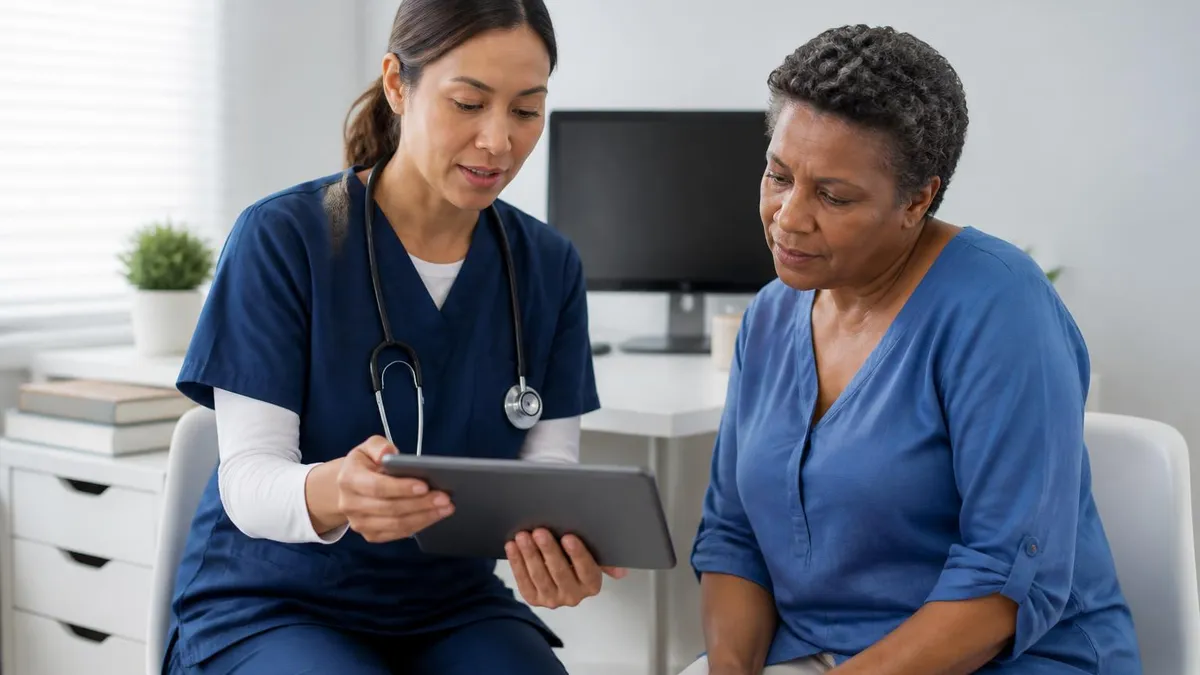
Year-round recognition matters far more than one celebrated day. Studies show NPs who receive consistent monthly feedback, structured career development, and seat at leadership tables report substantially higher engagement than those celebrated only during NP Week. Build sustainable recognition habits, not annual gestures.
For working nurse practitioners, the personal meaning of nurse practitioner day usually shows up in unexpected moments rather than the big organized events. A patient remembers the date and arrives at appointment carrying a small bouquet. A former preceptor sends a text message after years of silence. A graduate school classmate posts a throwback photo from cohort orientation. These micro-recognitions accumulate into something larger than any catered lunch or social media campaign could produce on its own, reminding NPs why they chose this difficult, demanding career path.
Many NPs describe the day as a reset point for professional identity. The clinical workload of modern healthcare grinds down even the most dedicated providers, with documentation burden, prior authorization battles, and short visit windows eroding the satisfaction that drew them to the profession originally. NP Day creates space to remember the patients saved, the diagnoses caught early, the families counseled through hard decisions, and the lives that demonstrably bend toward better outcomes because a nurse practitioner showed up to work.
For new graduates, the first NP Day after certification carries unusual emotional weight. After three to four years of graduate education, board exams, clinical rotations, credentialing paperwork, and onboarding chaos, that first November celebration feels like membership in something real. Veteran NPs often reach out to recent grads with messages of welcome, mentorship offers, and reminders that the steep early-career learning curve flattens with time. Many lasting professional friendships start with NP Day outreach across cohort generations.
Specialty NPs experience the day distinctly depending on their clinical setting. Acute care NPs in ICUs often work through November 13 without ceremony, the realities of critically ill patients overriding any celebration calendar. Primary care NPs in clinic settings may catch a catered breakfast and warm patient cards. NPs in nurse practitioner specialties like aesthetics, hospice, or correctional health describe their NP Day experience as varying widely with employer investment in professional culture.
Mentorship plays a defining role in how NPs experience the day across career stages. Mid-career NPs frequently report receiving more meaningful recognition from former students than from current employers. The chain of mentorship that connects Dr. Loretta Ford's 1965 program graduates to today's DNP cohorts traces a 60-year arc of teachers, preceptors, classmates, and colleagues. NP Day honors that lineage as much as it honors any individual provider's daily work.
The day also surfaces complicated feelings about the profession's challenges. Many NPs use the moment to write publicly about reimbursement inequity, scope-of-practice restrictions, the rural care vacuum, or workplace bullying from physician colleagues. Honest reflection coexists with celebration. The profession's leaders increasingly encourage that complexity, recognizing that performative positivity does not advance the structural changes the workforce needs to thrive long-term.
For aspiring NPs still in BSN programs or working as floor RNs, NP Day represents a window into a possible future. Watching the celebration unfold on social media, reading profiles of NP leaders, and attending open-house events provides motivation during the grueling early steps of a graduate journey. Many current NPs trace their decision to apply to graduate school directly back to an NP Week event they attended as bedside nurses years earlier, when the celebration's visibility first put the path on their radar.
Making the most of nurse practitioner day requires intentional planning rather than passive participation. For working NPs, the week's continuing education offerings represent the single highest-yield use of the celebration. AANP, state associations, and major employers stack the calendar with free or discounted CE hours that can satisfy a meaningful chunk of recertification requirements in a single condensed window. Budget the time off, register early before sessions fill, and treat the educational opportunities with the same seriousness you would bring to a paid conference.
Networking pays compounding career dividends throughout NP Week. Attend at least one in-person event if your city offers one, ideally a state NP association reception, a continuing education conference, or an alumni gathering at your graduate school. The casual interactions at these events lead to job leads, mentor relationships, speaking invitations, and committee appointments that shape NP careers years into the future. Bring business cards, dress professionally, and follow up with new contacts within 48 hours.
Social media activity during NP Week amplifies professional brand at minimal effort. Post one substantive piece of content per day from November 8 through November 14: a career retrospective, a clinical case insight with patient identifiers removed, a thank-you to a preceptor or mentor, a policy take on scope of practice. Tag relevant organizations, use the official hashtags, and engage thoughtfully with other NPs' posts. The visibility you build in this single week will outperform months of scattered posting at other times of year.
Advocacy participation transforms passive celebration into active professional citizenship. Sign up for your state NP association's legislative day even if you cannot attend in person; many groups now offer virtual lobbying options. Call or email your state legislators with a personal story about scope-of-practice limitations affecting your patients. Donate to AANP's political action committee. These small actions, multiplied across hundreds of thousands of NPs, drive the legislative wins that expand practice authority year after year.
For graduate students preparing for certification, NP Day creates a useful study deadline. Set a goal to complete a defined number of practice questions, a board review module, or a clinical rotation milestone before November 13. The week's heightened professional energy provides external motivation that solo studying often lacks. Treat the celebration as a reminder of the career you are working toward, not a distraction from study commitments. Many graduates report that anchoring study goals to NP Week kept them on track during the demanding final months before boards.
Aspiring NPs still in BSN programs or pre-nursing coursework should use NP Week to research graduate programs seriously. Most schools host open houses, informational webinars, and one-on-one admissions consultations during the week. Compare MSN versus DNP pathways, evaluate program rankings, calculate total cost of attendance, and identify two or three target schools by week's end. The clarity gained from concentrated research in this single week often shortens the application timeline by months.
Finally, take the day itself seriously as a moment of professional gratitude and self-care. Block your calendar if your schedule allows. Treat yourself to something meaningful: a massage, a fine meal, a long walk without notifications. Reflect on why you chose this career, what has gone well, and what you want the next year of practice to look like. The simple act of pausing inside an exhausting profession produces clarity that no continuing education credit or networking event can match.
Sample NP - Nurse Practitioner Practice Questions
Try these questions from our free NP - Nurse Practitioner practice tests. The correct answer and an explanation follow each question.
A nurse practitioner is seeing a 28-year-old female patient who discloses intimate partner violence. Which action is the HIGHEST priority?
- A. Document the disclosure and file a mandatory report immediately
- B. Assess immediate safety and provide referrals to local resources
- C. Advise the patient to leave the relationship
- D. Contact the partner to discuss the situation
Answer: B. Assess immediate safety and provide referrals to local resources
The immediate priority in IPV disclosure is assessing the patient's current safety and connecting her with resources; mandatory reporting of adult IPV is NOT required in most US states.
A nurse practitioner notices that opioid prescribing patterns in the practice vary widely among providers. Which tool best visualizes this variation to initiate a QI discussion?
- A. Fishbone diagram
- B. Run chart
- C. Pareto chart
- D. Control chart
Answer: D. Control chart
A control chart plots data over time with statistical control limits to distinguish common-cause variation from special-cause variation among providers.
How should Nurse Practitioner professionals handle conflicts with stakeholders?
- A. Avoid all conflict
- B. Address issues professionally through active listening, finding common ground, and seeking resolution
- C. Escalate immediately to management
- D. Ignore stakeholder concerns
Answer: B. Address issues professionally through active listening, finding common ground, and seeking resolution
This is fundamental to Nurse Practitioner practice. Address issues professionally through active listening, finding common ground, and seeking resolution represents the professional standard for communication in the NP certification framework.
What is a corrective action in Nurse Practitioner quality systems?
- A. Blaming individuals for errors
- B. A systematic response to eliminate the cause of a detected nonconformity and prevent recurrence
- C. Ignoring minor issues
- D. Temporary workarounds only
Answer: B. A systematic response to eliminate the cause of a detected nonconformity and prevent recurrence
This is fundamental to Nurse Practitioner practice. A systematic response to eliminate the cause of a detected nonconformity and prevent recurrence represents the professional standard for quality in the NP certification framework.
NP Questions and Answers
Nurse Practitioner Jobs by State: Florida, Texas, California, and Beyond — A Complete 2026 Guide
Nurse Practitioner Specialties: Complete 2026 Guide to Every NP Track
Family Nurse Practitioner: Role, Salary & How to Become One
Nurse Practitioner Degree: Complete Guide to NP Education Path
Psychiatric Mental Health Nurse Practitioner Guide
About the Author
Registered Nurse & Healthcare Educator
Johns Hopkins University School of NursingDr. Sarah Mitchell is a board-certified registered nurse with over 15 years of clinical and academic experience. She completed her PhD in Nursing Science at Johns Hopkins University and has taught NCLEX preparation and clinical skills courses for nursing students across the United States. Her research focuses on evidence-based exam preparation strategies for healthcare certification candidates.