
Where to Mail N-400: USCIS Mailing Address Guide 2026 June
⏳ Get ready for your n-400 filing fee certification exam. Practice questions with step-by-step answer explanations and instant scoring.

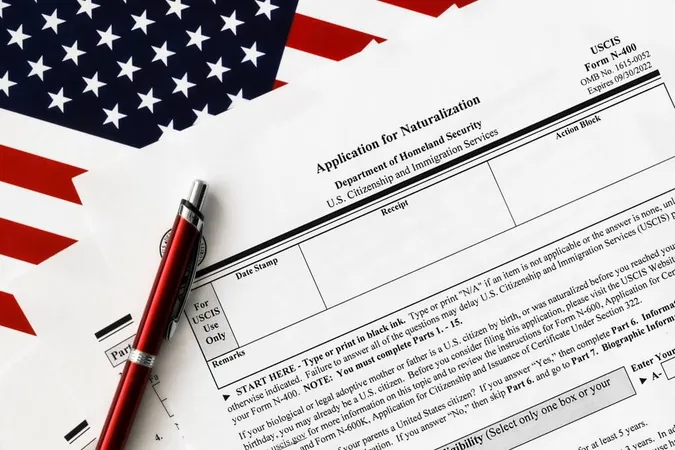
Mailing your N-400 Application for Naturalization to the wrong address can delay your case significantly—or result in your application being returned entirely. USCIS routes N-400 applications to different lockbox facilities depending on your state of residence, how you're paying the filing fee, and whether you're using direct filing vs. the USCIS Electronic Immigration System. Getting the address right before you mail is one of the simplest and most important steps in the N-400 process.
This guide walks you through exactly where to mail your N-400, how to find the correct address for your specific situation, what to include in your mailing package, and how to track your application after it's received.
The Short Answer: It Depends on Your State
USCIS uses a network of lockbox facilities to process incoming N-400 applications. The correct mailing address depends on your state of residence. USCIS routes applications through facilities in Phoenix, Arizona and Lewisville, Texas—but the specific facility for your state changes based on USCIS operational decisions, and these routing tables do get updated periodically.
The most reliable way to find your current mailing address is directly from the USCIS website at uscis.gov/n-400. On that page, under the "Direct Filing Addresses" section, USCIS maintains a table by state showing the current lockbox address. Always use that table immediately before you mail—don't rely on outdated instructions or third-party address lists that may not reflect current routing.
That said, here's the general structure as of 2026:
- If you live in one of the states routed to Phoenix, AZ: Your N-400 goes to a P.O. Box in Phoenix (the specific box number varies based on whether you're using USPS, FedEx/UPS, or paying by check).
- If you live in one of the states routed to Lewisville, TX: Your N-400 goes to a P.O. Box in Lewisville (again, the specific box number depends on your payment method and carrier).
The carrier distinction matters. USPS (regular mail) can use P.O. Box addresses. FedEx, UPS, and other express carriers cannot deliver to P.O. Boxes—USCIS publishes a separate physical street address for express carrier deliveries to each facility. If you're using FedEx or UPS, make sure you're using the street address version, not the P.O. Box.
Important: The N-400 exam covers multiple domains. Allocate more study time to unfamiliar topics while maintaining review of strong areas.
What to Include in Your N-400 Mailing Package
Before you seal the envelope, make sure you have everything USCIS requires. Missing documents are one of the most common causes of requests for evidence (RFEs) that delay your case. Here's what to include:
- Completed Form N-400: Signed in ink (or, if filing online through USCIS ELIS, you'll submit electronically instead). Make sure every page is complete—USCIS will reject applications with missing required fields.
- Two passport-style photos: Taken within 30 days of filing. Write your A-Number in pencil on the back of each photo.
- Copy of your Permanent Resident Card (Green Card): Both sides. Do not send the original card—a photocopy is required.
- Filing fee payment: The current N-400 filing fee is $760 for most applicants (as of 2026). Pay by check or money order payable to "U.S. Department of Homeland Security," or by credit/debit card using Form G-1450. Do not send cash.
- Supporting documents specific to your eligibility basis: If you're applying based on marriage to a U.S. citizen, include evidence of the marriage and your spouse's citizenship. If applying based on military service, include the appropriate military documentation.
USCIS also recommends using the cover sheet option—a barcoded cover sheet that you can print from their website—to help ensure your application is processed correctly. It's not required, but it can speed processing.
Using the Online Filing Option
USCIS now accepts online filing for the N-400 through the USCIS ELIS (Electronic Immigration System) portal at my.uscis.gov. If you file online, you don't mail anything—the entire application, supporting documents, and payment are submitted electronically. You'll also be able to track your case status online in real time.
Online filing has some advantages: you can upload documents instead of photocopying and mailing them, you get immediate confirmation that your application was received, and case status updates are faster. Some applicants prefer paper filing, however, especially if their supporting documentation is complex or if they have questions about specific questions on the form that they want to resolve before submitting.
If you file online and need to upload physical documents later, USCIS will send you instructions. The application for naturalization instructions provide full guidance on both filing pathways.
After You Mail: What Happens Next
USCIS processes incoming mail at the lockbox facilities before forwarding applications to the appropriate service center for adjudication. This processing takes time—don't be alarmed if you don't receive a receipt notice (Form I-797) immediately after mailing. Current timelines for receiving a receipt notice after mailing are typically 2–4 weeks.
Your receipt notice will confirm USCIS received your application, provide your A-Number (if not already assigned), and show your priority date. The priority date determines your place in the processing queue for the service center adjudicating your case.
After receiving your receipt notice, you can track your case status using your receipt number at the USCIS case status portal (uscis.gov/casestatus). You'll also be notified there when USCIS schedules your biometrics appointment and, eventually, your interview.
Common Mailing Mistakes to Avoid
A few errors that cause problems repeatedly:
Using an old address: USCIS changes its lockbox routing periodically. An address that was correct six months ago may not be current. Always verify on uscis.gov before you mail.
Mailing to a P.O. Box via FedEx or UPS: Carriers other than USPS can't deliver to P.O. Boxes. Use the express carrier address for overnight or express shipments.
Not keeping copies of everything you send: Before sealing your package, photocopy every page of your application and every supporting document. If your package is lost or damaged, you'll need to reconstruct your submission from your copies.
Sending the original Green Card: USCIS only needs a photocopy—sending the original means you're without your permanent resident card while waiting for processing, which can last over a year.
Incorrect check payee: Your check must be payable to "U.S. Department of Homeland Security," not USCIS. Checks made out to USCIS are technically incorrect, though USCIS often accepts them. Don't risk it—write it correctly.

- +Validates your knowledge and skills objectively
- +Increases job market competitiveness
- +Provides structured learning goals
- +Networking opportunities with other certified professionals
- −Study materials can be expensive
- −Exam anxiety can affect performance
- −Requires dedicated preparation time
- −Retake fees apply if you don't pass




Preparing for the Rest of the Naturalization Process
Mailing your N-400 is just the first step. After USCIS receives your application, you'll go through a biometrics appointment, a naturalization interview, and ultimately a ceremony where you take the Oath of Allegiance. The entire process typically takes 12–24 months from the time you mail your application, though processing times vary considerably by service center and current USCIS workload.
One of the most important things you can do while waiting is prepare for the civics and English portions of the naturalization interview. The USCIS civics test consists of 20 questions drawn from a list of 128 civics questions (100 for those 65+), and you must answer at least 12 correctly. The English test requires you to read one sentence in English and write one sentence in English during the interview.
Use the waiting period productively. The N-400 civics test preparation practice sets mirror the actual interview format and give you structured practice with the questions you'll be asked. Waiting until your interview notice arrives before starting to study puts you at risk of not being ready when your appointment comes.
The N-400 filing fee and application for naturalization processing times are worth reviewing as you plan your timeline. Understanding the full process from application to ceremony helps you set realistic expectations and avoid unnecessary anxiety about normal processing delays.
About the Author
Educational Psychologist & Academic Test Preparation Expert
Columbia University Teachers CollegeDr. Lisa Patel holds a Doctorate in Education from Columbia University Teachers College and has spent 17 years researching standardized test design and academic assessment. She has developed preparation programs for SAT, ACT, GRE, LSAT, UCAT, and numerous professional licensing exams, helping students of all backgrounds achieve their target scores.
Join the Discussion
Connect with other students preparing for this exam. Share tips, ask questions, and get advice from people who have been there.
View discussion (6 replies)