
MTA Meaning: What Is the MTA and How to Pass the Police Exam 2026 October
Prepare for the MTA Meaning: 🎓 What Is the MTA and How to certification. Practice questions with answer explanations covering all exam domains.

What Does MTA Stand For?
In the context of public transportation and law enforcement careers, MTA stands for Metropolitan Transportation Authority. The MTA is a New York State public authority established in 1965 to consolidate and coordinate the transportation systems of the greater New York metropolitan area. It oversees the New York City Subway, NYC Transit buses, Long Island Rail Road (LIRR), Metro-North Railroad, the Staten Island Railway, and various bridges and tunnels.
The abbreviation MTA is also used in other states for their own transit systems — the Massachusetts Bay Transportation Authority (MBTA in Boston), the Maryland Transit Administration (MTA Maryland), and the Memphis Area Transit Authority (MATA in Tennessee), among others. In the context of this guide and the police exam, MTA refers specifically to the New York Metropolitan Transportation Authority, which employs MTA Police officers through the MTA Police Department.
In a different field entirely, MTA also stands for Microsoft Technology Associate — an entry-level IT certification for students and those new to the technology field. The Microsoft MTA certification covers foundational knowledge in areas such as Windows operating system fundamentals, networking, security, and database administration. If you are researching MTA in the context of IT certifications rather than transit law enforcement, Practice Test Geeks also offers MTA Windows and networking practice tests to support your exam preparation.
MTA Police Exam Guide 2026
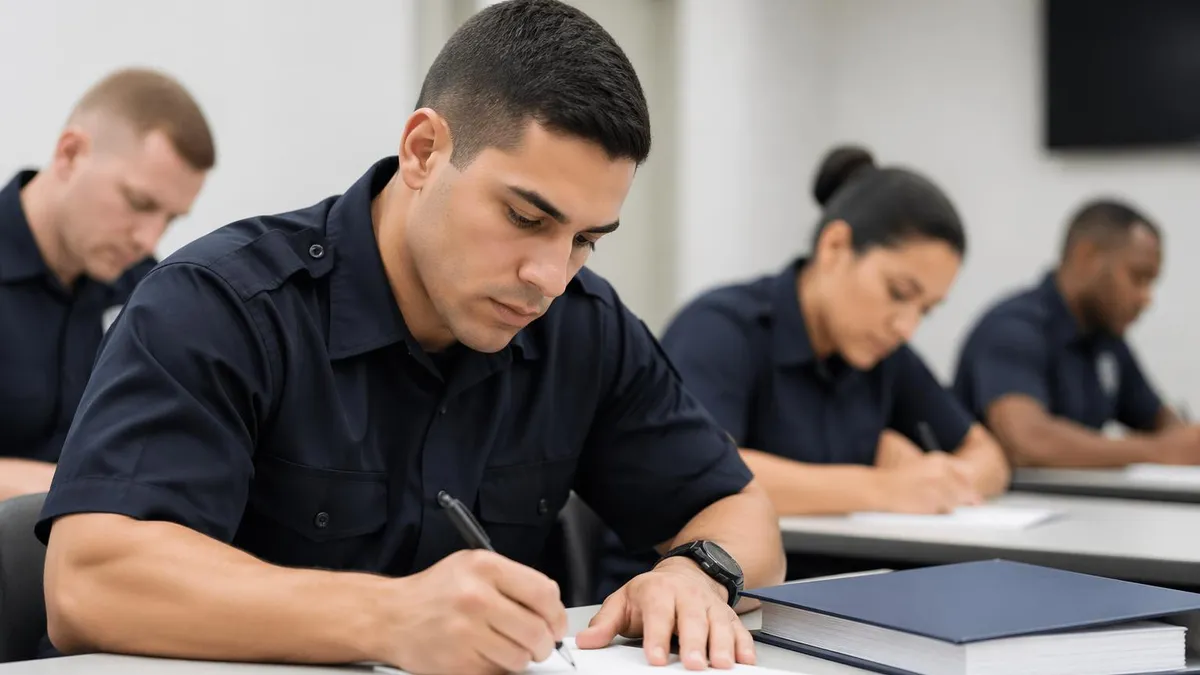
The MTA Police Officer exam is a civil service examination administered by the New York City Department of Citywide Administrative Services (DCAS) or directly by the MTA, depending on the current testing cycle. It is one of the most competitive law enforcement exams in the New York region, drawing thousands of applicants each time it opens. Passing the written exam is only the first step — candidates who score well then proceed through a medical evaluation, psychological evaluation, background investigation, and physical fitness test before receiving a conditional job offer.
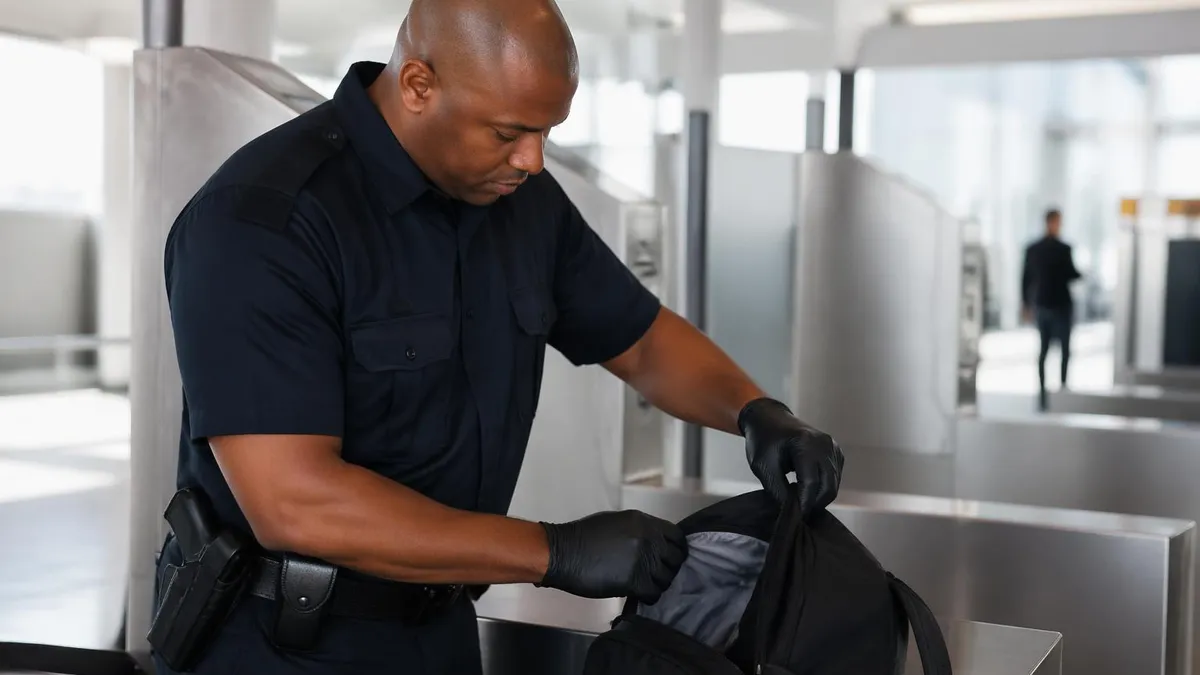
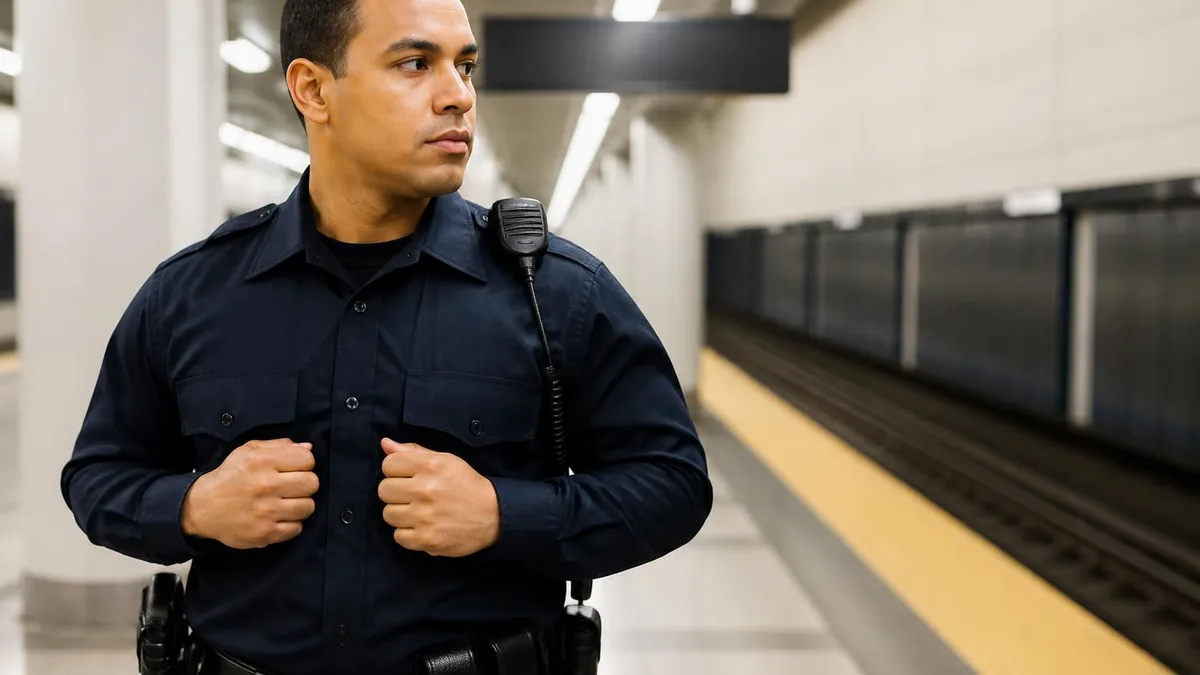
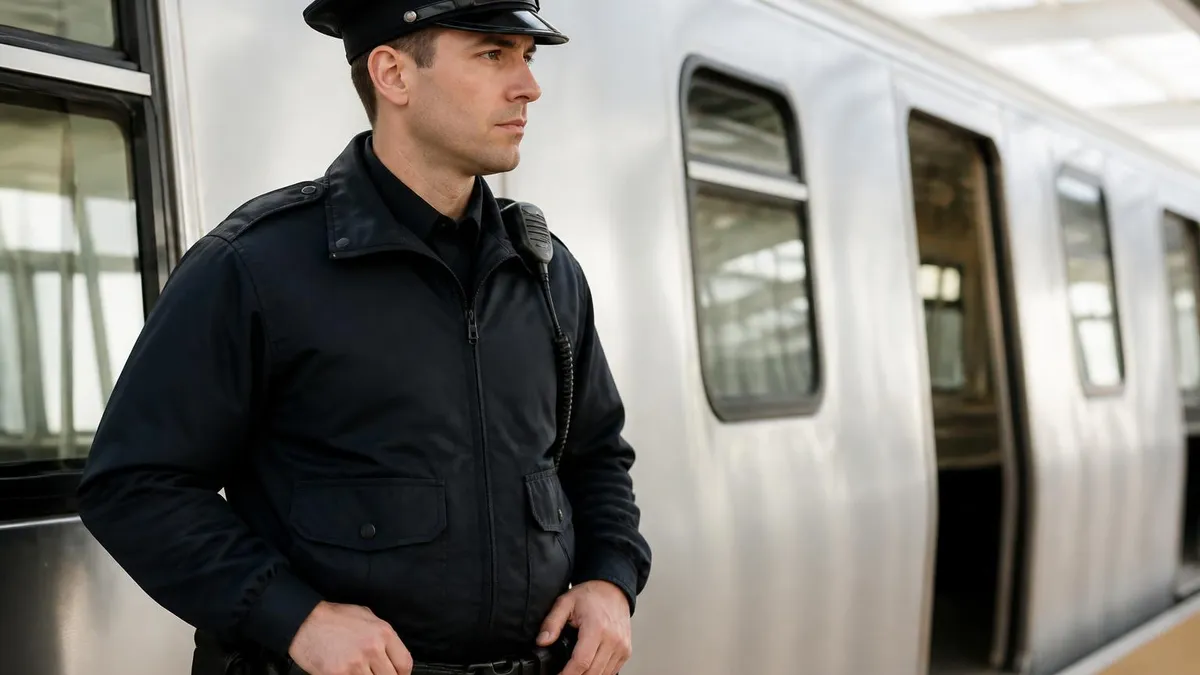
MTA Police Officers protect passengers, employees, and infrastructure across the subway system, commuter rail lines, bridges, and bus terminals in the MTA network. The role differs from NYPD in that MTAPD has full law enforcement jurisdiction over MTA properties and transportation infrastructure, including the power to make arrests, issue summonses, and carry firearms. MTA Police is a separate agency from NYPD, with its own chain of command, union (TWU Local 100 / PBA), and compensation structure.
The written exam for MTA Police tests cognitive abilities, reading comprehension, problem-solving, and situational judgment — the same core competencies tested in most civil service police exams. Candidates who prepare with transit-specific content, including MTA transit system knowledge and traffic and patrol procedures, score significantly higher than those who rely only on general police exam prep.
MTA Overview
Reading Comprehension: Passages describing MTA rules, procedures, and transit operations followed by questions. Tests ability to understand written directives — critical for police officers who must interpret policies and laws accurately.
Problem Solving & Judgment: Situational scenarios requiring you to choose the most appropriate response. Evaluates logical reasoning and decision-making under conditions similar to what officers face on patrol.
Transit System Knowledge: Questions about MTA geography, station locations, train lines, and operational procedures. The more familiar you are with the subway map and transit terminology, the better you perform on this section.
Memory & Observation: Candidates are shown images or read descriptions, then tested on their ability to recall details. Law enforcement officers must observe and remember details accurately at crime scenes and incidents.
MTA Police Physical Fitness Test
The physical fitness test (often called POPAT — Police Officer Physical Ability Test) is one of the most challenging hurdles in the MTA police hiring process. Unlike the written exam, physical fitness cannot be crammed the week before the test — it requires months of consistent training. Candidates who underestimate this component risk failing after passing all other stages.
The MTA physical fitness test evaluates four core areas: cardiovascular endurance (the 1.5-mile run), upper body strength, agility, and job-simulation tasks such as stair climbing and pushing weighted sleds. Standards are normed by age and gender — younger candidates face tighter time cutoffs while the standards adjust for age groups. All standards are available in the official MTA police exam announcement when the exam opens.
To prepare for the physical test, build a 12-week training plan that combines three days of running (working up to 3–4 miles per session), two days of strength training (push-ups, pull-ups, dumbbell rows), and one day of agility or circuit training. The stair component is often overlooked — practice by running stairs in apartment buildings or stadiums, as subway station stairwells are steep and the fitness test simulates rapid descent and ascent under time pressure.

How to Prepare for the MTA Police Exam
Effective preparation for the MTA Police exam focuses on four parallel tracks: written exam skills, transit knowledge, physical conditioning, and background integrity. Starting 3–6 months before the exam is ideal, though the unpredictable timing of MTA exam announcements means it is smart to maintain baseline fitness year-round rather than scrambling once an exam is announced.
Written exam preparation: Practice reading comprehension passages with police and transit contexts. Work through situational judgment questions that present patrol scenarios and require you to choose the most appropriate response. Study MTA organizational structure, jurisdiction, and core procedures. The transit system knowledge component specifically rewards candidates who have ridden the subway extensively and understand how different train lines connect — a genuine advantage for New York area residents.
Use the free MTA police practice tests resources on Practice Test Geeks to simulate exam conditions. The MTA transit system knowledge quiz and traffic and patrol procedures quiz closely mirror the content distribution of the actual exam.
Physical preparation: Begin your physical training as soon as you learn an exam cycle is open, not after passing the written test. The physical fitness test typically occurs 3–6 months after the written exam, giving you time to train — but only if you start early. Candidates who fail the physical test after passing the written exam must re-apply in the next exam cycle, losing months or years of progress.
Background preparation: Review your financial, employment, and legal history honestly. Identify anything that might raise questions in a background investigation and prepare to explain it clearly. Minor issues addressed transparently are far less damaging than omissions discovered by investigators. Drug use is a significant disqualifier — check the MTA's current policies on marijuana and controlled substances carefully before applying.
Additionally, consider joining online forums and social media groups where current MTAPD officers and candidates share preparation tips, exam experience, and hiring timeline updates. The MTA hiring process can take 12–24 months from written exam to academy start, so staying connected with a community of candidates helps you remain informed and motivated throughout the process.
MTA Police Exam Preparation Checklist
- ✓Monitor the DCAS Open Competitive exam list and MTA Careers website for exam announcements — the window to apply is often brief.
- ✓Study MTA subway line maps, terminal locations, and station names — transit system knowledge is directly tested.
- ✓Practice reading comprehension with police and transit procedure passages under timed conditions.
- ✓Begin a 12-week physical training program: running, strength, and agility — don't wait until after the written exam.
- ✓Gather all background documentation: employment history, residency addresses, references, military records (if applicable).
- ✓Review NYPD and MTAPD patrol procedures — situational judgment questions require knowledge of standard police protocols.
- ✓Take multiple full-length practice exams under timed conditions to build stamina and identify weak sections.
- ✓Contact a recruiter at MTAPD to ask about the current hiring cycle status and any upcoming exam announcements.
MTA Practice Test Questions
Prepare for the MTA - Police Exam exam with our free practice test modules. Each quiz covers key topics to help you pass on your first try.
MTA Police MCQ
MTA Exam Questions covering Police MCQ. Master MTA Test concepts for certification prep.
MTA Police Reading Comprehension Test
Free MTA Practice Test featuring Police Reading Comprehension Test. Improve your MTA Exam score with mock test prep.
MTA Police Written Test
MTA Mock Exam on Police Written Test. MTA Study Guide questions to pass on your first try.
MTA Community Policing
MTA Test Prep for Community Policing. Practice MTA Quiz questions and boost your score.
MTA Constitutional Rights
MTA Questions and Answers on Constitutional Rights. Free MTA practice for exam readiness.
MTA Criminal Law
MTA Mock Test covering Criminal Law. Online MTA Test practice with instant feedback.
MTA Emergency Response
Free MTA Quiz on Emergency Response. MTA Exam prep questions with detailed explanations.
MTA Investigation Techniques
MTA Test Online for Investigation Techniques. Free practice with instant results and feedback.
MTA Law Enforcement Procedures
MTA Study Material on Law Enforcement Procedures. Prepare effectively with real exam-style questions.
MTA Traffic and Patrol Procedures
Free MTA Test covering MTA Traffic and Patrol Procedures. Practice and track your MTA exam readiness.
MTA Transit System Knowledge
MTA Exam Questions covering MTA Transit System Knowledge. Master MTA Test concepts for certification prep.
MTA Police Salary 2026
MTA Police Officer compensation is competitive with other New York law enforcement agencies, with the advantage of MTA-specific benefits including transit passes for the officer and immediate family members. The salary structure is set by collective bargaining agreements and adjusts regularly.
Starting salaries for MTA Police Officers typically range from $42,500 to $57,000 per year during the training period at the MTA Police Academy. Upon graduation and full appointment, salary increases to approximately $65,000–$78,000 per year in the first few years. Officers with college credits (60+ credits from an accredited institution) may start at a higher step on the pay scale, depending on the terms of the current contract.
After five years of service, experienced MTA Police Officers typically earn $90,000–$110,000 in base salary. Overtime, shift differentials (evening, overnight, and weekend premiums), and detective/sergeant promotions push total compensation considerably higher — many experienced officers report total compensation of $120,000–$150,000 including overtime. Retirement benefits through the New York State Police and Fire Retirement System (PFRS) provide a pension after 20 years of service, calculated as a percentage of final average salary.
Compare this to the starting MTA police preparation resources that can help you land this position. The full compensation package including health insurance, dental, vision, pension, and transit benefits makes MTA Police one of the most financially rewarding transit law enforcement careers in the country.
MTA Pros and Cons
- +MTA has a defined, publicly available content blueprint — candidates know exactly what to prepare for
- +Multiple preparation pathways (self-study, courses, coaching) accommodate different learning styles and schedules
- +A growing ecosystem of study resources means candidates at any budget level can access quality preparation materials
- +Clear score reporting allows candidates to identify specific strengths and weaknesses for targeted remediation
- +Professional recognition associated with strong performance provides tangible career and academic benefits
- −The scope of tested content requires substantial preparation time that competes with existing professional or academic commitments
- −No single resource covers the full content scope — candidates typically need multiple study tools for comprehensive preparation
- −Test anxiety and exam-day performance variability mean preparation effort does not always translate linearly to scores
- −Registration, preparation, and potential retake costs accumulate into a significant financial investment
- −Content and format can change between exam versions, making older preparation materials less reliable
Pros and Cons at a Glance
| Pros | Cons |
|---|---|
| MTA has a defined, publicly available content blueprint — candidates know exactly what to prepare for | The scope of tested content requires substantial preparation time that competes with existing professional or academic commitments |
| Multiple preparation pathways (self-study, courses, coaching) accommodate different learning styles and schedules | No single resource covers the full content scope — candidates typically need multiple study tools for comprehensive preparation |
| A growing ecosystem of study resources means candidates at any budget level can access quality preparation materials | Test anxiety and exam-day performance variability mean preparation effort does not always translate linearly to scores |
| Clear score reporting allows candidates to identify specific strengths and weaknesses for targeted remediation | Registration, preparation, and potential retake costs accumulate into a significant financial investment |
| Professional recognition associated with strong performance provides tangible career and academic benefits | Content and format can change between exam versions, making older preparation materials less reliable |
Sample MTA - Police Exam Practice Questions
Try these questions from our free MTA - Police Exam practice tests. The correct answer and an explanation follow each question.
What is the primary role of an MTA Police Officer compared to a city police officer on transit property?
- A. Enforce traffic laws only
- B. Enforce laws and maintain order specifically within the MTA transit system
- C. Issue parking violations citywide
- D. Respond to non-transit emergencies exclusively
Answer: B. Enforce laws and maintain order specifically within the MTA transit system
MTA Police Officers have jurisdiction over MTA-owned properties including subway stations, buses, and rail lines to enforce laws and maintain public order.
A police report describes a suspect as 'approximately 6 feet tall, heavyset, wearing a red hoodie.' What type of information is this?
- A. Circumstantial evidence
- B. Physical description
- C. Character assessment
- D. Hearsay testimony
Answer: B. Physical description
Physical descriptions of suspects document observable characteristics and are a standard component of police reports.
Which of the following physical tasks on the MTA Police exam MOST directly simulates scaling a fence or barrier in the field?
- A. Sit-up test
- B. Obstacle course wall climb
- C. 1.5-mile run
- D. Grip strength dynamometer test
Answer: B. Obstacle course wall climb
Wall climb components in police obstacle courses directly replicate the need to scale fences or barriers encountered during field operations.
A police recruit has a resting heart rate of 58 bpm. What does this MOST likely indicate?
- A. Cardiovascular disease risk
- B. High blood pressure
- C. Good cardiovascular fitness
- D. Anemia
Answer: C. Good cardiovascular fitness
A lower resting heart rate typically indicates a more efficient heart muscle, which is a sign of good cardiovascular fitness.
MTA Questions and Answers
Related Resources
MTA Police Exam
MTA Police Practice Test
MTA Police Exam: Requirements, Written Test, Physical Agility Test, Academy Training, and Career Path

MTA Exam Results: How to Check Your Scores, Understand Rankings, and Plan Your Next Steps
MTA Police: Department Overview, Hiring Process, and Career Path
About the Author

Educational Psychologist & Academic Test Preparation Expert
Columbia University Teachers CollegeDr. Lisa Patel holds a Doctorate in Education from Columbia University Teachers College and has spent 17 years researching standardized test design and academic assessment. She has developed preparation programs for SAT, ACT, GRE, LSAT, UCAT, and numerous professional licensing exams, helping students of all backgrounds achieve their target scores.