
LPN Hospital Jobs Chicago: Complete Guide to Finding, Landing, and Thriving in Chicago Hospital Nursing Roles
LPN hospital jobs Chicago: top employers, salaries up to $68K, application tips & NCLEX prep. 🏆 Your complete 2026 October guide to landing the role.

If you are searching for lpn hospital jobs chicago, you have chosen one of the most dynamic nursing markets in the entire United States. Chicago is home to more than 60 hospitals and health systems, employing thousands of Licensed Practical Nurses across inpatient wards, emergency departments, surgical units, and specialty clinics. Demand for LPNs in the Chicago metro area has grown steadily alongside the city's expanding population, and health systems like Rush University Medical Center, Northwestern Memorial, Advocate Health, and the sprawling Cook County Health network regularly post open LPN positions throughout the year.
Understanding what makes the Chicago hospital market unique is the first step toward securing a rewarding position. Unlike smaller metro areas where LPN hospital roles can be scarce, Chicago benefits from a dense concentration of Level I trauma centers, academic medical centers, and community hospitals serving extraordinarily diverse patient populations. This diversity means LPNs in Chicago are exposed to a far wider range of clinical scenarios than counterparts in smaller cities, accelerating professional growth and building transferable skills that open doors to specialties like orthopedics, oncology, and telemetry nursing.
Salaries for hospital-based LPNs in Chicago are meaningfully higher than the national average, reflecting the city's higher cost of living and fierce competition for qualified nursing staff. According to the most recent Bureau of Labor Statistics occupational surveys and local hospital job postings, Chicago LPNs can expect base pay ranging from roughly $52,000 to $68,000 annually depending on the employer, shift, and unit. Hospitals in the Loop and Near North Side tend to offer the highest compensation packages, while suburban Cook County and DuPage County facilities often sweeten offers with sign-on bonuses ranging from $2,500 to $8,000 for experienced candidates.
To qualify for hospital LPN roles in Illinois, candidates must hold an active Illinois LPN license, which requires completing an approved practical nursing program and passing the NCLEX-PN examination. Most Chicago hospital HR departments also expect at least six to twelve months of clinical experience, though new graduates are sometimes hired for residency-style positions with structured mentorship from RN preceptors. In addition, Basic Life Support (BLS) certification from the American Heart Association is a non-negotiable requirement across virtually every hospital system in the region, and some ICU-adjacent roles require Advanced Cardiac Life Support (ACLS) as well.
The job search process for LPN hospital roles in Chicago has shifted heavily toward digital platforms over the past several years. Major job boards such as Indeed, LinkedIn, and Health eCareers aggregate postings from Chicago health systems, but many of the best positions are filled directly through employer career portals before they ever surface on third-party sites. Registering directly with the talent acquisition teams at your target hospitals and setting up email job alerts dramatically increases the chances that you see — and apply to — openings before heavy competition sets in.
Networking remains one of the most underutilized strategies for Chicago-area LPN job seekers. The Illinois Nurses Association and the Illinois League for Nursing host regular events and mixers in Chicago where LPNs can connect with hiring managers, unit educators, and fellow nurses who may share insider knowledge about upcoming openings. Clinical rotations completed during your LPN program are another powerful network node — many Chicago LPNs receive their first hospital job offers from facilities where they completed student clinical hours, simply because they made a strong impression on charge nurses and nurse managers during those rotations.
Finally, preparation matters enormously. Hiring managers at Chicago hospitals routinely note that the candidates who stand out have done their homework — they know the hospital's mission, can articulate why they want to work on a specific unit, and come to interviews with concrete examples from clinical experience. Whether you are a new graduate or a seasoned LPN transitioning from long-term care to an acute-care setting, investing time in NCLEX-PN content review, brushing up on clinical skills, and practicing behavioral interview responses will meaningfully improve your odds of converting an application into an offer.
LPN Hospital Jobs Chicago — By the Numbers
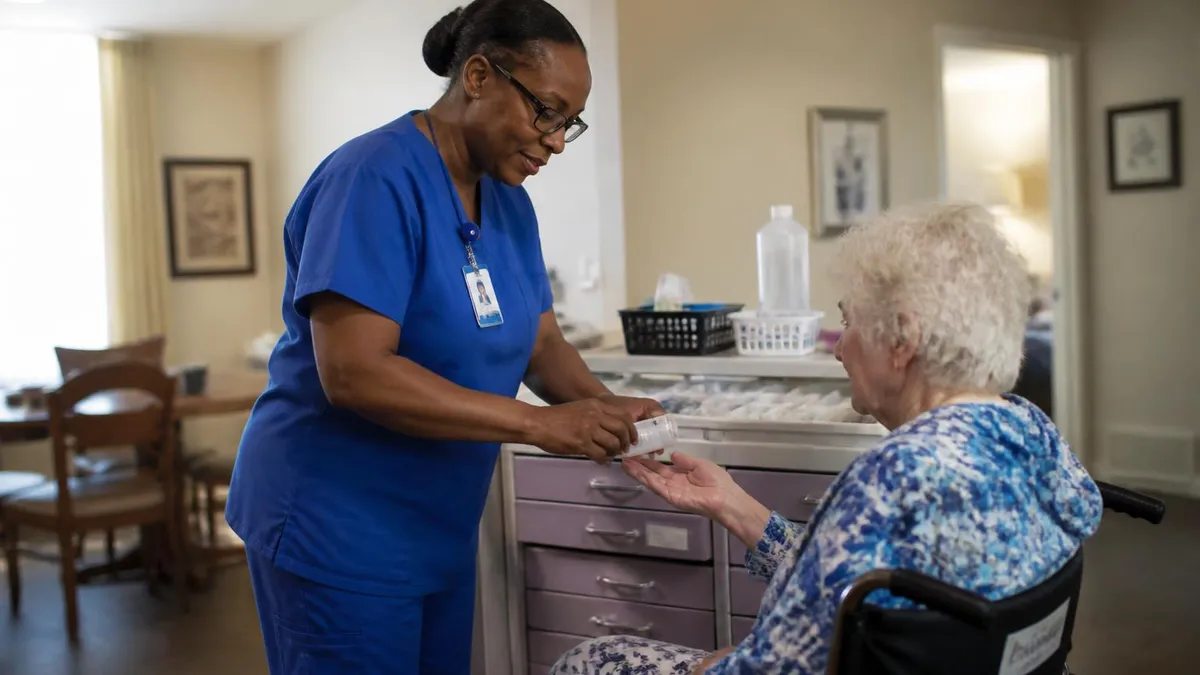
Top Chicago Hospital Systems Hiring LPNs
One of the largest health systems in Illinois with multiple Chicago-area campuses. Advocate regularly posts LPN openings in med-surg, rehabilitation, and long-term acute care units, offering competitive pay and strong tuition reimbursement for nurses pursuing RN bridges.
Illinois's largest public health system serves highly diverse patient populations across its Chicago campuses. Cook County LPN roles offer exceptional exposure to trauma and complex chronic illness cases, plus strong union-backed benefits and pension programs.
A nationally ranked academic medical center in the Illinois Medical District. Rush hires LPNs for inpatient floors, outpatient clinics, and infusion centers, emphasizing evidence-based practice and offering access to continuing education through Rush University.
Northwestern Memorial and its network of suburban hospitals hire LPNs across specialties including cardiology, oncology, and neurology. The system is known for competitive pay scales, comprehensive health benefits, and a culture of professional development.
Sinai's network of safety-net hospitals on Chicago's West and South Sides offers LPN roles with mission-driven work in underserved communities. Sinai is a strong choice for LPNs who want meaningful community health impact alongside clinical hospital experience.
Compensation for hospital-based LPNs in Chicago varies considerably based on the employing health system, the specific unit, shift differentials, and years of experience. Entry-level LPNs hired into their first hospital position in Chicago generally start in the range of $52,000 to $56,000 per year in base salary.
With three to five years of inpatient experience, particularly in higher-acuity settings like telemetry, step-down units, or post-surgical wards, that figure climbs to between $60,000 and $65,000. Highly experienced LPNs with specialty certifications and a decade or more of tenure at major Chicago systems can earn $68,000 or above in base compensation before shift differentials are added.
Shift differentials represent a meaningful chunk of total compensation for Chicago hospital LPNs and should factor heavily into any job evaluation. Evening shifts — typically defined as 3:00 PM to 11:00 PM — commonly carry a differential of $2.00 to $3.50 per hour above base pay at major Chicago systems.
Night shifts, running from 11:00 PM to 7:00 AM, often command differentials of $3.50 to $6.00 per hour. Weekend differentials may add another $1.50 to $3.00 per hour on top of any applicable night or evening differential. An LPN working a mix of nights and weekends at a major Chicago hospital could realistically see total annual compensation 15–20 percent higher than their quoted base salary.
Beyond base wages and shift differentials, Chicago hospital LPN compensation packages typically include employer-sponsored health, dental, and vision insurance; paid time off accruals starting at around two to three weeks annually for new hires; 401(k) or 403(b) retirement plans with employer matching of three to five percent; and employer-paid life and short-term disability insurance. Many systems also offer tuition reimbursement programs valued between $2,500 and $5,250 per year — a significant perk for LPNs pursuing an LPN-to-RN bridge or a Bachelor of Science in Nursing.
Sign-on bonuses have become increasingly common in Chicago's competitive nursing labor market and can meaningfully offset any short-term financial sacrifice involved in transitioning roles. The largest bonuses — in the $6,000 to $10,000 range — are typically offered for hard-to-fill night positions in specialty units or in hospitals located in areas with fewer nurse applicants, such as some South Side and southwest suburban facilities. Bonuses are almost always subject to a service commitment clause requiring you to remain with the employer for one to two years; leaving before the commitment period ends usually triggers a prorated repayment obligation.
Geographically within the Chicago metro, downtown Loop hospitals and those in the River North and Streeterville medical corridor tend to offer the highest pay scales, in part because of the concentration of academic and quaternary care facilities there. Suburban hospitals in Naperville, Evanston, Oak Park, and Schaumburg may offer slightly lower base salaries but often compensate with lower cost of living, free parking (versus expensive downtown parking fees), and a less intense patient-to-LPN ratio in certain units.
Union membership is another important compensation variable in Chicago. Many positions at Cook County Health and certain other public health facilities are represented by unions including SEIU Healthcare Illinois and AFSCME, which negotiate collective bargaining agreements that set minimum wage scales, mandatory breaks, and benefit floors. Union LPN positions tend to offer greater wage transparency and predictable step increases based on years of service, though they may involve union dues of roughly one to two percent of gross pay. Non-union positions at private health systems often offer more flexibility in individual negotiation but with less contractual wage protection.
When comparing offers, Chicago LPN candidates should calculate total compensation — base plus differential plus the dollar value of benefits — rather than focusing exclusively on hourly rate. A position paying $29.50 per hour with excellent tuition reimbursement, free parking, and generous PTO may be more financially advantageous overall than a $31.00 per hour role with minimal benefits and costly downtown parking. Use a simple spreadsheet to model out your net annual take-home under each scenario, accounting for federal and Illinois state income taxes, before making a final decision.
Applying for LPN Hospital Jobs in Chicago: Units, Shifts, and Requirements
Chicago hospitals consistently report the highest LPN demand in medical-surgical units, rehabilitation wards, telemetry floors, and long-term acute care (LTAC) settings. Med-surg is the most common entry point for new LPNs because it provides exposure to a broad range of diagnoses and builds foundational time-management skills that transfer to any specialty. Rehab and LTAC units particularly value LPN skills in wound care, medication administration, and patient education — competencies that translate directly from clinical training.
Specialty units like oncology infusion, dialysis, and post-surgical care also hire LPNs in Chicago, though these roles typically require six to twelve months of inpatient experience first. Oncology infusion LPN positions are especially attractive because they offer predictable daytime schedules, relatively lower physical demands, and the opportunity to build long-term therapeutic relationships with patients receiving ongoing chemotherapy or immunotherapy. Chicago's large dialysis center network — including DaVita and Fresenius sites affiliated with area hospitals — also creates a steady supply of outpatient hospital-adjacent LPN openings.
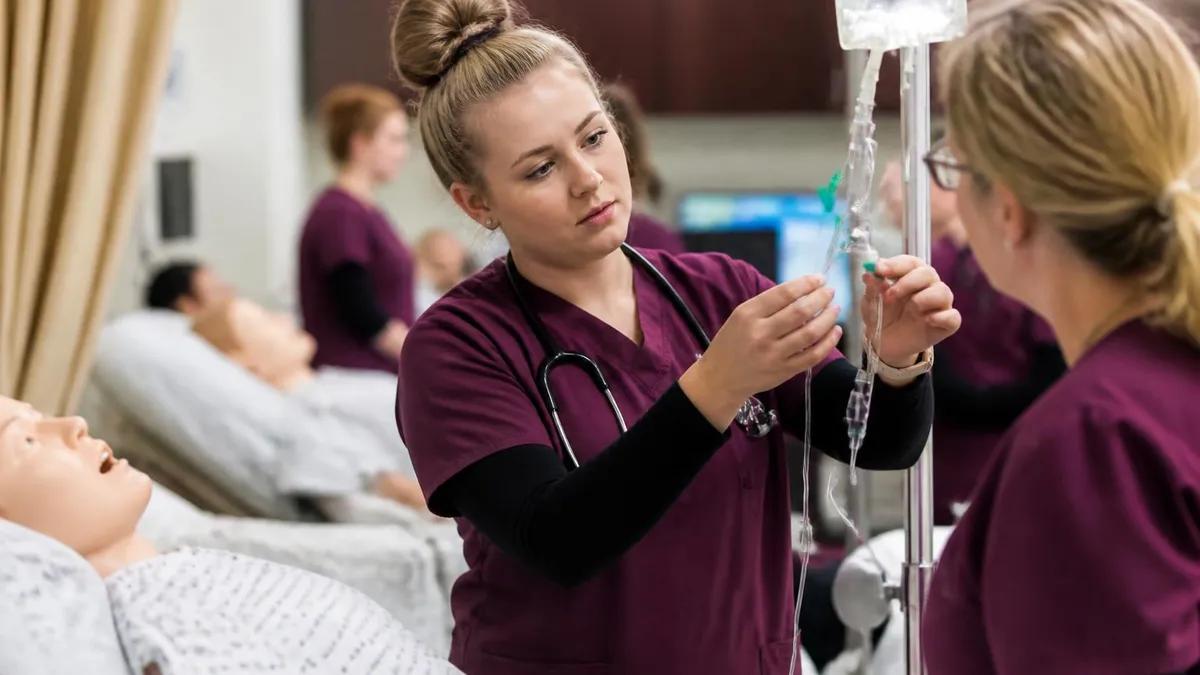
LPN Hospital Jobs Chicago: Weighing the Pros and Cons
- +Higher salaries than national LPN average, with substantial shift differentials available
- +Access to world-class academic medical centers and exposure to complex, high-acuity cases
- +Strong tuition reimbursement programs support LPN-to-RN bridge advancement
- +Dense hospital network means multiple employers and options within commuting distance
- +Diverse patient populations build strong clinical skills applicable anywhere
- +Union positions at public hospitals offer strong wage protections and defined benefits
- −Higher cost of living in Chicago relative to many other Illinois markets
- −Intense competition for desirable day-shift and specialty unit positions
- −Downtown hospital parking costs can reduce effective take-home pay significantly
- −Heavy patient loads on med-surg floors can create physical and emotional burnout risk
- −Sign-on bonus repayment clauses restrict job mobility for one to two years
- −Illinois LPN scope of practice restrictions may limit tasks compared to some other states
Pros and Cons at a Glance
| Pros | Cons |
|---|---|
| Higher salaries than national LPN average, with substantial shift differentials available | Higher cost of living in Chicago relative to many other Illinois markets |
| Access to world-class academic medical centers and exposure to complex, high-acuity cases | Intense competition for desirable day-shift and specialty unit positions |
| Strong tuition reimbursement programs support LPN-to-RN bridge advancement | Downtown hospital parking costs can reduce effective take-home pay significantly |
| Dense hospital network means multiple employers and options within commuting distance | Heavy patient loads on med-surg floors can create physical and emotional burnout risk |
| Diverse patient populations build strong clinical skills applicable anywhere | Sign-on bonus repayment clauses restrict job mobility for one to two years |
| Union positions at public hospitals offer strong wage protections and defined benefits | Illinois LPN scope of practice restrictions may limit tasks compared to some other states |
Chicago LPN Hospital Job Search Checklist
- ✓Verify your Illinois LPN license is active and will not expire during the hiring process.
- ✓Complete or renew your American Heart Association BLS certification before submitting applications.
- ✓Create accounts directly on the career portals of your top five target Chicago hospitals.
- ✓Set up job alert emails for 'LPN' and 'Licensed Practical Nurse' on Indeed, LinkedIn, and Health eCareers.
- ✓Tailor your resume to highlight clinical rotation hours, procedures performed, and patient populations served.
- ✓Write a concise, employer-specific cover letter for each hospital application you submit.
- ✓Request professional references from clinical instructors or charge nurses who observed your hospital work.
- ✓Research each target hospital's mission, values, and any recent awards or service line expansions.
- ✓Prepare three to five behavioral interview responses using the STAR (Situation, Task, Action, Result) format.
- ✓Calculate the true total compensation of any offer — base plus differentials plus benefit dollar value.
Night Shift Is Your Fastest Path to Hospital Experience
Chicago hospital hiring managers report that night shift LPN positions receive significantly fewer applications than day positions, meaning your chances of landing an interview are substantially higher. Starting on nights and demonstrating reliability, strong patient care skills, and a positive attitude positions you to transition to days within 12–18 months — while building the inpatient experience that makes every future application stronger.
Once you have secured your first hospital LPN position in Chicago, the real work of career advancement begins. The acute-care environment rewards LPNs who demonstrate clinical competence, reliability, and a genuine interest in learning beyond the minimum requirements of their role. Charge nurses and unit managers consistently note that the LPNs who advance most quickly — whether within the LPN role or by transitioning to RN — are those who volunteer for additional training, ask thoughtful questions during shift handoffs, and take ownership of patient outcomes rather than treating their role as purely task-oriented.
Specialty certification is one of the most concrete steps an experienced Chicago hospital LPN can take to differentiate themselves in the job market and justify salary advancement. While the LPN role does not have as extensive a certification ecosystem as RN practice, relevant credentials include the IV therapy certification mentioned earlier, the Certified Clinical Hemodialysis Technician (CCHT) designation for LPNs working in dialysis settings, and the Certified Nursing Assistant Medication Aide designation for those in transitional environments. Some Chicago hospitals also recognize and financially reward LPNs who obtain CPR instructor status, adding organizational value by training colleagues.
The LPN-to-RN bridge pathway is a well-trodden road in Chicago's hospital system, and most major health systems actively support it through tuition reimbursement and flexible scheduling. Programs like the Malcolm X College bridge program, City Colleges of Chicago's nursing pathway, and several private LPN-to-BSN programs have strong relationships with Chicago hospital systems and frequently place graduates directly into open RN positions within those systems. LPNs who communicate early with their nurse manager about educational goals are much more likely to receive favorable schedule accommodations during nursing school than those who spring the news on their manager mid-semester.
Mentorship from experienced RNs and charge nurses represents another invaluable but often overlooked career development resource for Chicago hospital LPNs. Most hospital nursing units have informal mentorship cultures where experienced nurses are willing to answer questions, share clinical pearls, and advocate for promising LPNs in staff meetings. Building these relationships deliberately — by being genuinely curious, showing respect for the knowledge of your colleagues, and being the kind of teammate who helps out when the unit is stretched — creates a professional network that pays dividends for years.
Professional organization involvement can accelerate advancement in ways that pure on-the-job effort cannot replicate. The Illinois Nurses Association, Chicago chapter, and the National Association for Practical Nurse Education and Service (NAPNES) both offer continuing education, networking events, and advocacy resources specifically relevant to Illinois LPNs.
Attending even one or two events per year puts you in rooms with nursing directors, policy advocates, and educators who may know about opportunities before they are publicly posted. Leadership roles within professional organizations — serving on a committee, helping plan an event — build the soft skills that distinguish strong candidates for unit lead and charge nurse positions.
Float pool and per-diem positions offer a different but equally valuable career development trajectory for experienced Chicago hospital LPNs. Float pool nurses rotate through multiple units across a hospital campus, building familiarity with a wide range of patient populations and clinical workflows.
This breadth of experience is highly valued by Chicago nurse managers considering internal candidates for permanent unit positions, and float pool nurses often earn a per-hour premium of $2.00 to $5.00 above base staff rates in recognition of their flexibility. Some Chicago LPNs spend one to two years in float pool deliberately, using the cross-unit exposure to identify the specialty they want to pursue long-term before committing to a permanent position.
Finally, maintaining an updated professional portfolio — a simple document or digital folder compiling your license, certifications, continuing education records, performance evaluations, and a log of clinical skills performed — pays enormous dividends when applying for promotions or new positions. Chicago hospital hiring managers frequently encounter candidates who cannot quickly produce evidence of their clinical competencies or continuing education compliance. LPNs who walk into interviews with a neatly organized portfolio project the kind of professional intentionality that managers associate with high performance on the unit floor.
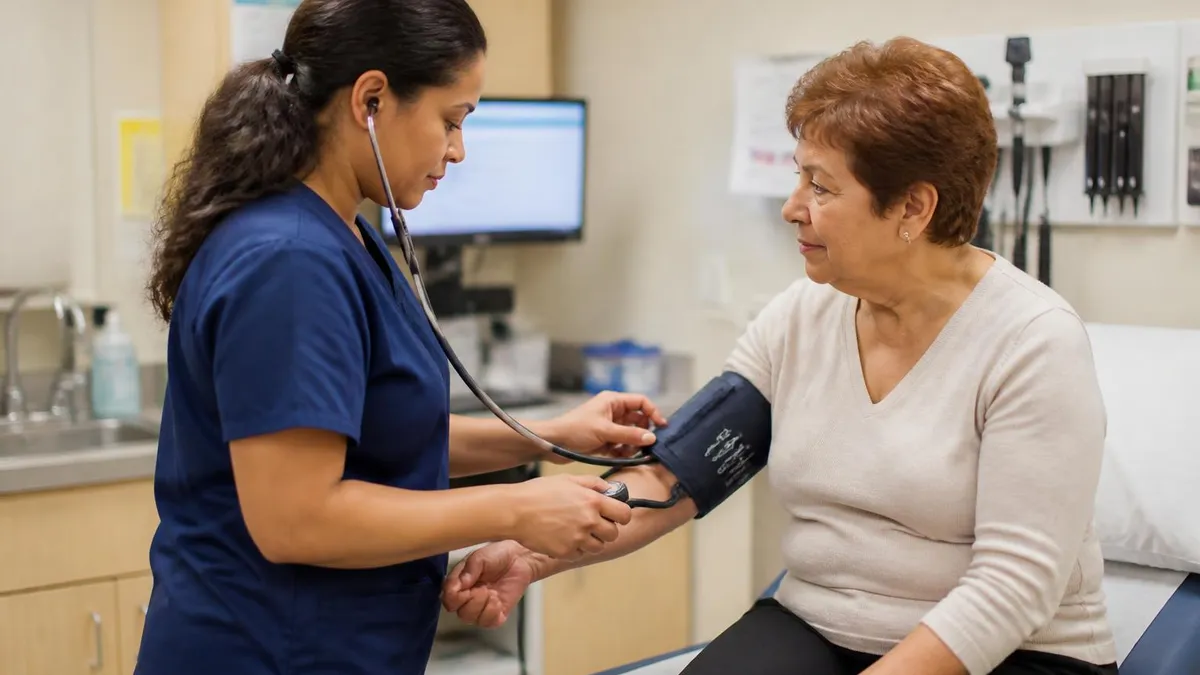
Illinois LPN licenses must be renewed every two years by May 31 of even-numbered years. Practicing with an expired license is a violation of Illinois law and will disqualify you from hospital employment. Confirm your renewal date on the IDFPR website and complete your 20 required continuing education hours at least 60 days before the deadline to avoid last-minute complications that could jeopardize your job.
NCLEX-PN preparation is the non-negotiable foundation for anyone entering the Chicago hospital LPN job market for the first time, and it deserves far more strategic attention than many nursing graduates give it. The NCLEX-PN is a computer-adaptive test that adjusts question difficulty based on your responses, and it tests not just clinical knowledge but also your ability to apply critical thinking under realistic nursing scenarios. Chicago hospital hiring managers often ask candidates in interviews to describe how they approach clinical decision-making — a question that directly reflects the kind of integrated thinking the NCLEX-PN is designed to assess.
The current NCLEX-PN format, updated in recent testing cycles, emphasizes clinical judgment more heavily than the purely knowledge-recall format of earlier versions. The Next Generation NCLEX (NGN) item types — including case studies, matrix questions, and enhanced multiple-response questions — require candidates to demonstrate the ability to recognize cues, analyze findings, prioritize hypotheses, and evaluate outcomes in realistic patient scenarios. LPNs who prepare for Chicago hospital roles by genuinely mastering these clinical judgment skills will be better prepared not only for the licensing exam but for the real-world demands of acute inpatient care.
A structured study plan for NCLEX-PN should typically span eight to twelve weeks for most candidates, with daily study sessions of two to three hours dedicated to content review, practice questions, and review of rationales for both correct and incorrect answers.
Content areas that carry the heaviest weight on the NCLEX-PN and that are most directly relevant to hospital LPN practice include physiological adaptation, pharmacological therapies, basic care and comfort, and coordinated care. Candidates who consistently score below 60 percent in practice sessions on these high-weight domains should prioritize additional content review in those specific areas before focusing on test-taking strategies.
Practice questions are the single most effective NCLEX-PN preparation tool, but only when used correctly. Simply accumulating a high question count without carefully reviewing the rationale for every answer — right or wrong — produces minimal learning. Each incorrect answer represents a gap in either content knowledge or clinical reasoning that, if left unaddressed, is likely to reappear on the actual exam. Spending five to seven minutes analyzing the rationale behind each missed question, identifying the underlying concept being tested, and connecting it to real patient scenarios converts passive exposure into durable learning.
Many Chicago-area LPN program graduates and experienced LPNs preparing for an exam retake find value in supplementing online practice with simulation-based preparation. Several Chicago nursing schools and continuing education providers offer NCLEX-PN simulation labs where candidates practice clinical scenarios using high-fidelity mannequins or standardized patient actors. These sessions build the kind of embodied clinical intuition that translates directly to both exam performance and first-day-on-the-unit competence — two things Chicago hospital hiring managers evaluate closely in new LPN employees.
Time management during the actual NCLEX-PN exam is a skill that requires deliberate preparation. The exam allows up to five hours for a maximum of 150 questions, but adaptive testing means some candidates finish in 85 questions while others reach the full count. Candidates should practice under realistic timed conditions — targeting approximately one minute per question on average — and develop strategies for managing the anxiety that naturally accompanies a high-stakes test.
Techniques such as reading the question stem twice before reading the answer choices, eliminating clearly wrong options first, and trusting initial clinical judgment rather than second-guessing well-reasoned answers are all evidence-backed strategies for improving NCLEX-PN performance.
For LPNs who did not pass the NCLEX-PN on the first attempt, Illinois allows retesting after a 45-day waiting period, with no limit on the total number of attempts within the first three years following program graduation. If you are in this situation, treat the waiting period as a structured remediation opportunity rather than a time to decompress.
Analyze your candidate performance report carefully, identify your weakest content areas, build a targeted study schedule addressing those areas specifically, and increase your daily practice question volume with an emphasis on rationale review. Many of Chicago's most respected hospital LPNs passed the NCLEX-PN on a second or third attempt — persistence and strategic preparation are what ultimately determine outcomes.
Practical preparation for Chicago hospital LPN interviews extends well beyond rehearsing answers to standard questions. The most effective interview candidates research the specific unit and patient population they are applying to serve, review publicly available information about the hospital's quality metrics and service lines, and prepare thoughtful questions that demonstrate genuine engagement rather than passive interest. Asking a nurse manager about what distinguishes their unit's culture, how they support new LPN orientation, or what professional development opportunities exist signals the kind of professional intentionality that makes a lasting impression.
Your resume and application materials deserve the same level of deliberate effort you would put into clinical care. Tailor each resume submission to the specific job posting rather than submitting a generic document. If the job posting emphasizes wound care, highlight your wound care clinical hours and any advanced wound care training you completed.
If the role is in a telemetry unit, emphasize any cardiac monitoring experience or EKG rhythm recognition training from your LPN program. Use the same terminology the job posting uses — applicant tracking systems (ATS) used by Chicago hospital HR departments often filter resumes by keyword match before a human recruiter ever sees them.
References are a frequently underestimated element of the Chicago hospital LPN hiring process. Most hospitals require three professional references, and at least two should be from clinical supervisors — charge nurses, unit managers, or clinical instructors who directly observed your patient care skills.
Before listing anyone as a reference, always contact them first to confirm their willingness and to brief them on the specific role you are pursuing. A reference who can speak specifically to the skills most relevant to the position — wound care competency, medication administration accuracy, communication with interdisciplinary teams — is exponentially more valuable than a generic character reference.
Background checks and pre-employment health screenings are standard requirements for all Chicago hospital LPN hires. Most systems run a criminal background check, verify your nursing license status directly with the IDFPR, and conduct drug screening as part of the pre-employment process.
Health screenings typically include a tuberculosis (TB) test or QuantiFERON gold blood test, proof of immunization against hepatitis B, MMR, and varicella, and a fit test for N-95 respirator use in certain units. Having documentation of all immunizations and prior TB tests organized and ready to submit promptly after receiving a job offer can meaningfully speed up your start date.
The onboarding experience at Chicago hospitals varies significantly by system and unit, but most include a general hospital orientation of one to three days followed by unit-specific orientation ranging from two to six weeks depending on the complexity of the patient population.
During unit orientation, you will be paired with a preceptor — typically an experienced LPN or RN — who will supervise your clinical work, provide real-time feedback, and sign off on a competency checklist covering the essential skills for your role. Approach this period with humility, ask questions freely, and resist any temptation to overstate your experience level; a strong orientation builds the clinical foundation that will serve you for years.
Building a sustainable career as a Chicago hospital LPN requires attending not just to clinical skills and credentials but to your own physical and psychological wellbeing. Hospital nursing is inherently demanding, and the Chicago market's high-acuity environments can intensify those demands.
Establishing healthy sleep routines if you are working nights, building a support network of colleagues who understand the occupational stressors, and taking deliberate advantage of employee assistance programs offered by your employer are not luxuries — they are professional necessities that protect your ability to deliver safe, high-quality care to patients over a long career. The LPNs who thrive in Chicago hospitals long-term are those who invest in their own resilience with the same intentionality they bring to clinical practice.
Whether you are a newly licensed LPN preparing to sit for the NCLEX-PN, an experienced LPN transitioning from a long-term care setting, or a seasoned hospital nurse looking to explore Chicago's diverse health systems, the strategies outlined in this guide provide a roadmap for success. The Chicago hospital LPN job market is competitive, but it rewards preparation, professionalism, and persistence in equal measure. Start with the foundational steps — license verification, BLS certification, targeted applications — and build systematically toward the advanced career moves that will define your long-term professional trajectory in one of America's most vibrant nursing markets.
Sample Certified Practical Nurse Practice Questions
Try these questions from our free Certified Practical Nurse practice tests. The correct answer and an explanation follow each question.
When transferring a patient from the hospital to a skilled nursing facility, which information is most critical to include in the handoff report?
- A. Patient's insurance provider
- B. Current medications, allergies, and functional status
- C. Patient's employment history
- D. Preferred room temperature
Answer: B. Current medications, allergies, and functional status
Current medications, allergies, and functional status are essential safety-critical information that must be communicated during patient transfer to prevent adverse events.
A client with Guillain-Barré syndrome is being monitored in the hospital. Which assessment finding is the most critical?
- A. Paresthesia in both feet
- B. Declining forced vital capacity and inability to cough effectively
- C. Mild weakness in both hands
- D. Areflexia in the lower extremities
Answer: B. Declining forced vital capacity and inability to cough effectively
Guillain-Barré syndrome causes ascending paralysis that can involve the respiratory muscles. Declining FVC and inability to cough signals impending respiratory failure requiring immediate intervention.
Which clinical finding indicates increased intracranial pressure (ICP) in an adult patient?
- A. Cushing's triad: hypertension, bradycardia, and irregular respirations
- B. Hypotension, tachycardia, and shallow breathing
- C. Fever, tachycardia, and diaphoresis
- D. Hypotension, bradycardia, and apnea
Answer: A. Cushing's triad: hypertension, bradycardia, and irregular respirations
Cushing's triad (widened pulse pressure with hypertension, bradycardia, and irregular respirations) is a late, ominous sign of severely elevated ICP.
Which finding in a patient with hypertensive crisis requires the LPN to report immediately to the RN?
- A. BP of 118/76 mmHg
- B. Heart rate of 88 bpm
- C. Severe headache and blurred vision
- D. Temperature of 98.6°F
Answer: C. Severe headache and blurred vision
Severe headache and blurred vision in a hypertensive patient may indicate hypertensive encephalopathy, a medical emergency.
LPN Questions and Answers

LPN Requirements 2026: Complete Guide to Becoming a Licensed Practical Nurse

LPN IV Certification: Complete 2026 Guide to Training, Requirements & Cost

LPN Programs in Florida: Complete 2026 Guide to Accredited Schools, Costs, Requirements & Licensure

LPN Salary Wisconsin 2026: Average Pay, Top Cities, and How to Earn More

LPN Duties: Complete Guide to Daily Responsibilities and Scope of Practice
About the Author

Registered Nurse & Healthcare Educator
Johns Hopkins University School of NursingDr. Sarah Mitchell is a board-certified registered nurse with over 15 years of clinical and academic experience. She completed her PhD in Nursing Science at Johns Hopkins University and has taught NCLEX preparation and clinical skills courses for nursing students across the United States. Her research focuses on evidence-based exam preparation strategies for healthcare certification candidates.
Join the Discussion
Connect with other students preparing for this exam. Share tips, ask questions, and get advice from people who have been there.
View discussion (7 replies)