
IMIA Test: Your Path to Medical Interpreter Success 2026 October
Pass the IMIA exam with confidence. ✅ Practice questions with detailed explanations and instant feedback on every answer.

Being able to talk with patients from different languages and cultures is key in healthcare. The International Medical Interpreters Association (IMIA) Certification Test checks if you're good at medical interpretation. It helps you give top-notch, ethical, and culturally aware language services.
We'll look into why the IMIA Test matters, the big role of medical interpreters, and how to get ready for and pass this important exam. This guide is for anyone wanting to be a medical interpreter. It will give you the tools and tips to reach your career dreams.

Key Takeaways
- The IMIA Certification Test is a prestigious credential that validates your expertise in medical interpretation.
- Successful completion of the IMIA Test demonstrates your proficiency in language skills, medical terminology, interpreting ethics, and cultural competency.
- Preparing for the IMIA Test involves assessing your language proficiency, mastering medical terminology, and familiarizing yourself with interpreting standards and best practices.
- Strategies for acing the IMIA Test include practicing sight translation, consecutive interpretation, and developing a strong understanding of the interpreter's role and code of conduct.
- Earning the IMIA Certification can open doors to lucrative and rewarding career opportunities in the healthcare interpreting field.
Significance of Medical Interpretation
What is the IMIA (International Medical Interpreters Association Certification) Test?
The IMIA Test is the top exam for medical interpreters. It checks their skills in medical interpretation. The test looks at language skills, medical terminology, interpreter ethics, and cultural competency.
These skills are key for good cross-cultural communication and patient-provider interactions. They are important in multilingual healthcare settings.
Good medical interpretation is crucial for quality healthcare. It helps patients understand their care better. Certified interpreters bridge the language gap.
This improves patient-provider interactions, makes healthcare more accessible, and boosts health literacy in diverse communities.
- ✓Review the official General exam content outline
- ✓Take a diagnostic practice test to identify weak areas
- ✓Create a study schedule (4-8 weeks recommended)
- ✓Focus on your weakest domains first
- ✓Complete at least 3 full-length practice exams
- ✓Review all incorrect answers with detailed explanations
- ✓Take a final practice test 1 week before exam day
Role of IMIA in Healthcare Interpreting
The International Medical Interpreters Association (IMIA) leads in medical interpretation and healthcare interpreting. The IMIA Test is the top way to check a medical interpreter's skills. It makes sure they meet high standards.
Getting the IMIA certification shows an interpreter's dedication. They follow the IMIA's code of ethics, know medical terminology, and support culturally competent communication in healthcare.
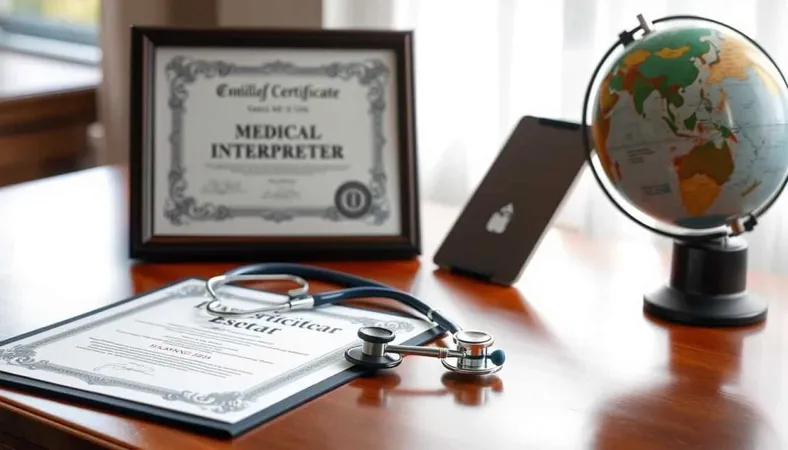
Language Proficiency Assessment
Preparing for the IMIA Test: Key Areas to Focus
To do well on the IMIA Test, you need to know a lot about it. One important area is language proficiency. This means you can speak and understand both languages well. You must know lots of words, how to use grammar, and how to say things clearly.
You also need to know a lot about medical terminology. This includes names of body parts, diseases, treatments, and medicines. Knowing this well helps you share important health info accurately and follow the IMIA's rules.
The test checks how well you can talk and understand in both languages. This includes:
- Vocabulary and grammar mastery
- Accurate pronunciation and enunciation
- Comprehension of complex medical terminology and concepts
- Fluency in interpreting and translating healthcare information
Medical Terminology Mastery
Knowing a lot about medical terms is key for the IMIA Test. You should be able to:
- Recognize and define common anatomical terms
- Understand the names and characteristics of various diseases and conditions
- Familiarize themselves with medical procedures and treatment options
- Identify and explain pharmaceutical information, including drug names and dosages
By working hard on these areas, you can improve your chances of passing the IMIA Test. This will make you a great help in the healthcare world.

- +Industry-recognized credential boosts your resume
- +Higher earning potential (10-20% salary increase on average)
- +Demonstrates commitment to professional development
- +Opens doors to advanced career opportunities
- −Exam preparation requires significant time investment (4-8 weeks)
- −Certification fees can be $100-$400+
- −May require continuing education to maintain
- −Some employers may not require certification
General Questions and Answers
About the Author

Executive Chef & Culinary Arts Certification Educator
Culinary Institute of AmericaChef Marco Bellini is a Certified Executive Chef and graduate of the Culinary Institute of America with over 20 years of professional kitchen experience in Michelin-recognized restaurants. He teaches culinary arts certification, food safety, and hospitality exam preparation, having guided thousands of culinary students through their ServSafe, ProStart, and professional chef certifications.
Join the Discussion
Connect with other students preparing for this exam. Share tips, ask questions, and get advice from people who have been there.
View discussion (5 replies)