
Becoming an F-07 Fire & Emergency Drill Conductor: A Complete Guide 2026 October
Pass your Becoming an F exam on the first attempt. Practice questions with detailed answer explanations, hints, and instant scoring. ✏️

The F-07 Fire & Emergency Drill Conductor certification is a key credential for professionals in fire safety and emergency management. It ensures that individuals are adequately trained to conduct fire drills, manage emergency situations, and lead safety training sessions for building occupants. This role is critical in maintaining workplace safety and compliance with fire safety regulations. In this article, we will explore what the F-07 Fire & Emergency Drill Conductor certification entails, the importance of the role, how to become certified, and useful resources for preparation.
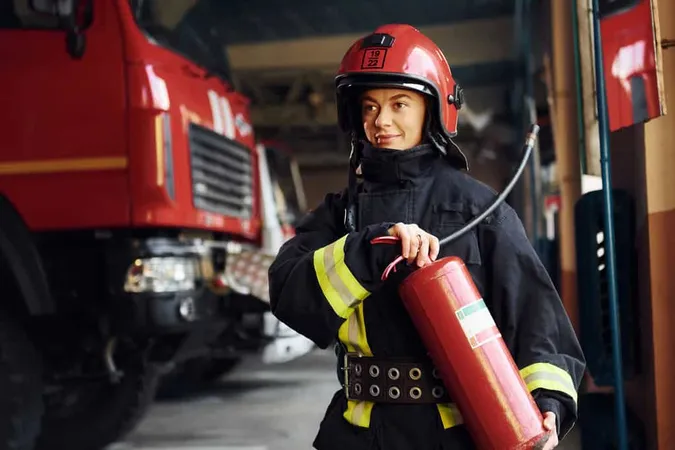
What is the F-07 Fire & Emergency Drill Conductor Certification?
The F-07 certification, also known as the Fire & Emergency Drill Conductor, is issued by the Fire Department to individuals responsible for conducting fire drills in the workplace. The main goal of the certification is to prepare professionals to lead fire drills and emergency evacuations effectively and ensure that all safety procedures are followed during such drills. Whether working in a corporate office, educational institution, or industrial facility, certified conductors help establish safe environments and respond quickly during emergencies.
Being a Fire & Emergency Drill Conductor involves more than just organizing fire drills. It requires a deep understanding of fire safety regulations, emergency evacuation plans, and the ability to train others in handling emergencies. Additionally, conductors need to be well-versed in maintaining the safety of all personnel during the drill, ensuring that drills are carried out smoothly and that the organization's emergency protocols are regularly tested and updated.
How to Prepare for the F-07 Fire & Emergency Drill Conductor Exam
Preparation for the F-07 Fire & Emergency Drill Conductor exam requires a combination of theoretical knowledge and practical experience. Here are a few steps to help you prepare:
Understand the Exam Requirements: Before you begin your study, familiarize yourself with the specific requirements for the exam. Understanding the subjects that will be covered on the test will help you focus your efforts.
Take the F-07 Prep Test: One of the best ways to prepare is to take a practice test. The F-07 prep test helps familiarize you with the format and type of questions that will be on the exam. It also provides a valuable opportunity to assess your readiness and identify areas that need improvement.
Study Fire Safety Regulations: The F-07 exam covers various fire safety regulations, including local laws, emergency response protocols, and the best practices for conducting fire drills. Be sure to review the relevant codes and standards applicable in your area.
Get Hands-On Experience: Practice is essential. Participating in actual fire drills and emergency exercises can provide you with practical experience, allowing you to better understand the logistics and challenges involved in organizing and conducting these drills.
Use Study Materials: Use study guides, online resources, and exam prep materials to strengthen your understanding of fire safety and emergency preparedness. These materials often include important concepts, regulations, and safety practices that you need to know.
- ✓Review the official Fireguard F-01 Fire Safety exam content outline
- ✓Take a diagnostic practice test to identify weak areas
- ✓Create a study schedule (4-8 weeks recommended)
- ✓Focus on your weakest domains first
- ✓Complete at least 3 full-length practice exams
- ✓Review all incorrect answers with detailed explanations
- ✓Take a final practice test 1 week before exam day
Key Aspects of the F-07 Exam
The F-07 Fire & Emergency Drill Conductor exam typically consists of questions related to fire safety protocols, emergency evacuation plans, and the role of a conductor in managing fire drills. Some areas you can expect to be tested on include:
Evacuation Procedures: Understanding how to organize and lead an emergency evacuation is crucial. The exam tests your knowledge of evacuation routes, the assembly process, and the management of personnel during emergencies.
Fire Safety Equipment: You will need to be knowledgeable about the various types of fire safety equipment, how to maintain them, and how they should be used in different emergency scenarios.
Regulations and Standards: Familiarity with local and national fire safety codes and standards is essential for passing the exam. This includes understanding the legal requirements for fire drills and the responsibilities of fire drill conductors.
First Aid and Emergency Response: The exam may also cover basic first aid and emergency response techniques, such as how to handle minor injuries or assist others in distress during a drill.
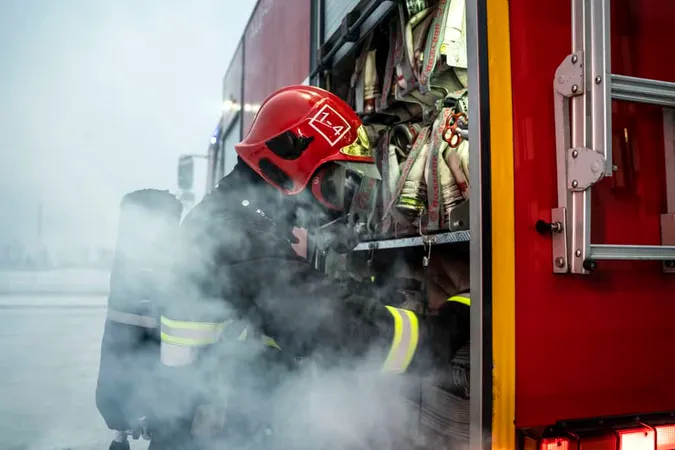
Why Should You Become an F-07 Fire & Emergency Drill Conductor?
The F-07 Fire & Emergency Drill Conductor certification opens many career opportunities for safety professionals. Some benefits include:
Increased Job Opportunities: Many companies and organizations require certified drill conductors to ensure compliance with safety regulations. By becoming certified, you increase your job prospects in a variety of industries, including manufacturing, healthcare, education, and corporate offices.
Enhanced Safety Knowledge: The certification provides in-depth knowledge of fire safety, emergency evacuation plans, and safety equipment. This expertise helps individuals play a key role in enhancing the safety of their workplace.
Personal Satisfaction: Being responsible for the safety of others and knowing that your training helps prevent disasters is a highly rewarding aspect of the job. You are directly contributing to the well-being of your colleagues and ensuring a safer work environment.
Additional Resources for Fire Safety Professionals
In addition to the F-07 certification, there are other related certifications and resources that may help you advance your career in fire safety:
F-01 Test: The F-01 certification focuses on fire safety plans and emergency response, making it a useful credential for those interested in broader fire safety roles.
CPS Firefighter Test: This test is designed for aspiring firefighters and those seeking careers in fire protection. It provides valuable knowledge of firefighting techniques, fire safety, and emergency response.

Conclusion
Becoming an F-07 Fire & Emergency Drill Conductor is a rewarding career path for those interested in fire safety and emergency preparedness. With the right training, certification, and knowledge, you can play a critical role in ensuring the safety of individuals in various settings. By preparing thoroughly for the F-07 exam, you can gain the expertise and credentials necessary to advance in this essential field.
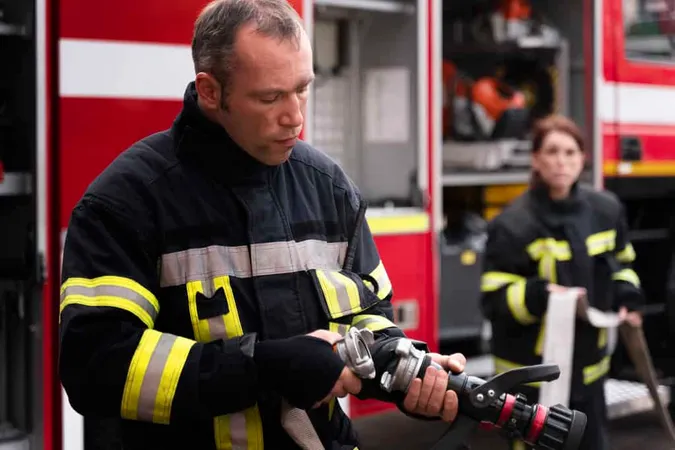
Fireguard F-01 Fire Safety: Pros and Cons
- +Fireguard F-01 Fire Safety credential is recognized by employers and industry professionals
- +Higher earning potential compared to non-credentialed peers
- +Expanded career opportunities and professional advancement
- +Structured learning path builds comprehensive knowledge
- +Professional development that stays current with industry standards
- −Preparation requires significant time and study commitment
- −Associated costs for exams, materials, and renewal fees
- −Continuing education needed to maintain credentials
- −Competition for advanced positions can be challenging
- −Requirements and standards may vary by state or region
Pros and Cons at a Glance
| Pros | Cons |
|---|---|
| Higher earning potential compared to non-credentialed peers | Preparation requires significant time and study commitment |
| Expanded career opportunities and professional advancement | Associated costs for exams, materials, and renewal fees |
| Structured learning path builds comprehensive knowledge | Continuing education needed to maintain credentials |
| Professional development that stays current with industry standards | Competition for advanced positions can be challenging |
Sample Fire Safety Practice Questions
Try these questions from our free Fire Safety practice tests. The correct answer and an explanation follow each question.
During a fire emergency, what is the fire guard's role regarding the fire department?
- A. Fight the fire until the fire department arrives
- B. Meet the fire department upon arrival, provide building information, and report on fire location and conditions
- C. Leave the site before the fire department arrives
- D. Block the entrance until the fire is contained
Answer: B. Meet the fire department upon arrival, provide building information, and report on fire location and conditions
The fire guard serves as the first point of contact for arriving firefighters, providing critical information about fire location, building layout, and any known hazards.
What is a salamander heater and why does it require a fire guard?
- A. A type of electric baseboard heater
- B. A portable open-flame kerosene or propane heater used at construction sites that creates fire risk
- C. A thermostat-controlled heating system
- D. A type of fireplace insert
Answer: B. A portable open-flame kerosene or propane heater used at construction sites that creates fire risk
Salamander heaters are portable combustion heaters commonly used at construction sites. Their open flames and high temperatures near combustible construction materials create significant fire risk.
When should a fire guard initiate a building evacuation without waiting for instructions?
- A. Never, always wait for the fire department
- B. When there is an imminent threat to life and waiting for authorization would endanger occupants
- C. Only during business hours
- D. Only if the building owner is present
Answer: B. When there is an imminent threat to life and waiting for authorization would endanger occupants
When life is in immediate danger, the fire guard has the authority and responsibility to initiate evacuation without waiting. Delay in such situations could result in injuries or deaths.
What should an F-01 Fire Guard do when discovering a fire at a construction site?
- A. Attempt to extinguish it alone
- B. Alert all workers in the area, call 911, and attempt to extinguish if safe to do so
- C. Leave the site immediately
- D. Continue patrolling other areas first
Answer: B. Alert all workers in the area, call 911, and attempt to extinguish if safe to do so
The guard must prioritize alerting people in danger, calling for professional help, and only attempt to fight the fire if it is small and safe to do so with available equipment.
Fire Safety Questions and Answers
About the Author

Paramedic & Emergency Services Certification Trainer
George Washington UniversityCaptain Ryan O'Brien is a licensed paramedic and NREMT-certified emergency medical professional with a Bachelor of Science in Emergency Medical Services from George Washington University. He has 15 years of field experience as a paramedic and firefighter, and has coached hundreds of EMT and paramedic candidates through their NREMT written and psychomotor licensing examinations.