
Ultimate Guide to F-01 Fireguard Certification 2026 October
Free Ultimate Guide to F practice test with questions and answer explanations. 🧠 Prepare for the 2026 October exam with instant scoring.

Fire safety is a critical aspect of workplace security, and the F-01 Fireguard certification is a vital credential for professionals tasked with safeguarding lives and property against fire hazards. Whether you're entering the field or looking to validate your expertise, understanding the F-01 Fireguard role and exam is essential to your success.
This guide offers a comprehensive overview of the F-01 Fireguard certification, its significance, exam structure, and effective preparation strategies. Additionally, valuable resources like the f01 practice test and related certifications are highlighted to give candidates a competitive edge.
Introduction to the F-01 Fireguard Certification
The F-01 Fireguard certification validates a professional’s ability to identify fire hazards, monitor hot work activities, and respond swiftly to fire emergencies. Fireguards are indispensable in industries such as construction, manufacturing, and oil and gas, where fire risks are prevalent.
This certification not only demonstrates knowledge of fire prevention but also ensures compliance with safety regulations. Holding an F-01 Fireguard certificate improves employability and enhances workplace safety culture.
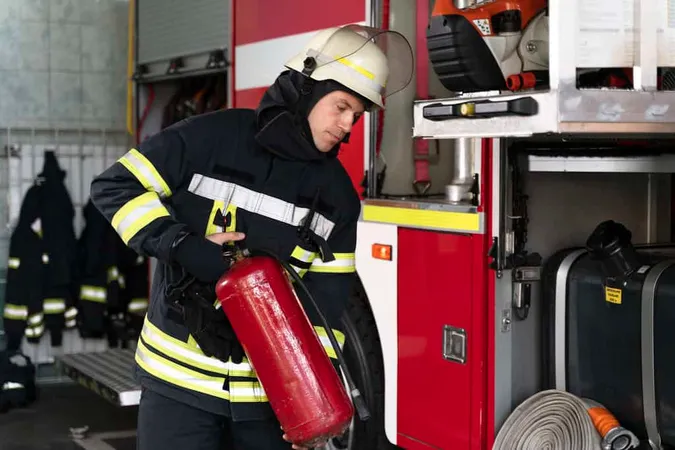
Why F-01 Fireguard Certification Matters
The responsibility of fireguards extends beyond mere supervision. They must:
Vigilantly monitor hot work operations such as welding, cutting, and grinding
Ensure fire prevention equipment is readily available and functional
Maintain fire watches before, during, and after hazardous activities
React quickly and appropriately in case of fire incidents
Educate personnel about fire risks and safety protocols
Certified fireguards help prevent devastating fire-related incidents that can lead to loss of life and costly damages.
- ✓Confirm your exam appointment and location
- ✓Bring required identification documents
- ✓Arrive 30 minutes early to check in
- ✓Read each question carefully before answering
- ✓Flag difficult questions and return to them later
- ✓Manage your time — don't spend too long on one question
- ✓Review flagged questions before submitting
Understanding the F-01 Fireguard Exam
The F-01 exam tests candidates on a broad spectrum of fire safety knowledge including:
Fundamentals of fire chemistry and behavior
Identification of potential fire hazards
Proper use and maintenance of firefighting equipment like extinguishers
Safety regulations and hot work permit procedures
Emergency response actions and evacuation plans
The exam typically consists of multiple-choice questions and scenario-based problems designed to assess practical understanding.
How to Prepare for the F-01 Fireguard Exam
Preparation is the key to passing the F-01 exam with confidence. Consider the following tips:
Review comprehensive fire safety materials and occupational safety regulations
Understand hot work safety procedures and fire watch responsibilities
Take advantage of practice exams to simulate test conditions
Attend hands-on training sessions or workshops if available
Study related certifications like the CFPS test (Certified Fire Protection Specialist) and FCTC test (Fire Code Technical Certification) to deepen your fire safety knowledge
Using these resources boosts your readiness and improves exam performance.
Benefits of Using Practice Tests and Exam Prep Resources
Practice tests provide numerous advantages, including:
Familiarizing you with the exam format and question styles
Highlighting areas where further study is needed
Helping manage time effectively during the exam
Building confidence and reducing test anxiety
Free online test websites offer exam prep and comprehensive practice tests tailored specifically for the F-01 exam.
Career Opportunities After F-01 Fireguard Certification
Holding the F-01 Fireguard certification opens career paths in various industries:
Construction and building sites
Industrial manufacturing facilities
Petrochemical plants and refineries
Warehousing and logistics operations
Shipyards and offshore platforms
Certified fireguards are highly valued for their expertise in mitigating fire risks and ensuring compliance with safety standards.
Maintaining and Renewing Your Certification
F-01 Fireguard certification may require periodic renewal to keep your skills current. This process may involve refresher courses, updated testing, or continuing education to align with evolving safety regulations.
Staying certified ensures ongoing competence and enhances your value as a safety professional.

Conclusion
The F-01 Fireguard certification is a cornerstone of fire safety professionalism. Achieving this credential signifies your readiness to handle fire prevention and emergency response duties effectively. Candidates preparing for the F-01 exam should make full use of resources and explore additional certifications to broaden their knowledge. With diligent study and practice, you can earn your certification and play a crucial role in creating safer workplaces.
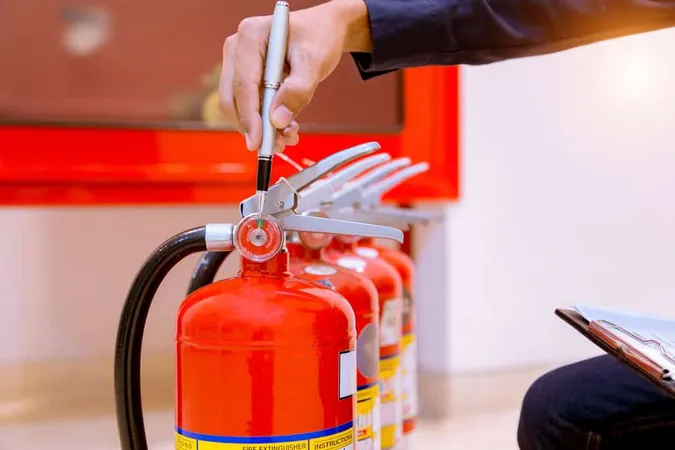
Fireguard F-01 Fire Safety: Pros and Cons
- +Fireguard F-01 Fire Safety certification validates expertise recognized by employers nationwide
- +Certified professionals typically earn 15-20% higher salaries
- +Opens doors to advanced positions and leadership roles
- +Demonstrates commitment to professional standards and ethics
- +Builds a strong professional network through certification communities
- −Exam preparation typically requires 2-4 months of dedicated study
- −Certification and exam fees can range from $150-$500+
- −Must complete continuing education to maintain active certification
- −Pass rates vary — thorough preparation is essential for success
- −Some certifications require prerequisite experience or education
Pros and Cons at a Glance
| Pros | Cons |
|---|---|
| Opens doors to advanced positions and leadership roles | Must complete continuing education to maintain active certification |
| Demonstrates commitment to professional standards and ethics | Pass rates vary — thorough preparation is essential for success |
| Builds a strong professional network through certification communities | Some certifications require prerequisite experience or education |
Sample Fire Safety Practice Questions
Try these questions from our free Fire Safety practice tests. The correct answer and an explanation follow each question.
What is a fire watch communication plan?
- A. A schedule for phone calls
- B. A documented system for how the fire guard will alert occupants and communicate with emergency services during an incident
- C. A list of radio frequencies
- D. A sign language guide
Answer: B. A documented system for how the fire guard will alert occupants and communicate with emergency services during an incident
The communication plan specifies how the fire guard will alert building occupants (alarm, radio, PA system) and contact emergency services, ensuring rapid response.
How often must portable fire extinguishers in a New York City building be inspected by a licensed contractor?
- A. Every 3 years
- B. Annually
- C. Every 5 years
- D. Every 6 months
Answer: B. Annually
NYC Fire Code requires that portable fire extinguishers receive a maintenance inspection by a licensed contractor at least once per year.
What happens if a fire guard's Certificate of Fitness expires while they are working?
- A. Nothing, they can continue until the job is done
- B. The guard is no longer legally authorized to perform fire watch duties and must be replaced
- C. They get an automatic 30-day extension
- D. The contractor can write them a temporary permit
Answer: B. The guard is no longer legally authorized to perform fire watch duties and must be replaced
An expired Certificate of Fitness means the guard is no longer legally qualified. They must be immediately replaced with a properly certified guard to maintain compliance.
What is a pre-action sprinkler system designed to prevent?
- A. Fires in high-rise buildings
- B. Accidental water discharge caused by mechanical damage to sprinkler heads
- C. Smoke from spreading through ductwork
- D. Electrical fires in panel rooms
Answer: B. Accidental water discharge caused by mechanical damage to sprinkler heads
Pre-action systems require both a fire detection signal and a sprinkler head activation before water flows, preventing accidental water damage from inadvertent sprinkler discharge.
Fire Safety Questions and Answers
About the Author

Paramedic & Emergency Services Certification Trainer
George Washington UniversityCaptain Ryan O'Brien is a licensed paramedic and NREMT-certified emergency medical professional with a Bachelor of Science in Emergency Medical Services from George Washington University. He has 15 years of field experience as a paramedic and firefighter, and has coached hundreds of EMT and paramedic candidates through their NREMT written and psychomotor licensing examinations.