
Theory Test: Complete Guide to Passing Your UK Driving Exam 2026 October
🟢 Free Theory practice test with questions and answer explanations. Prepare for the 2026 October exam with instant scoring.
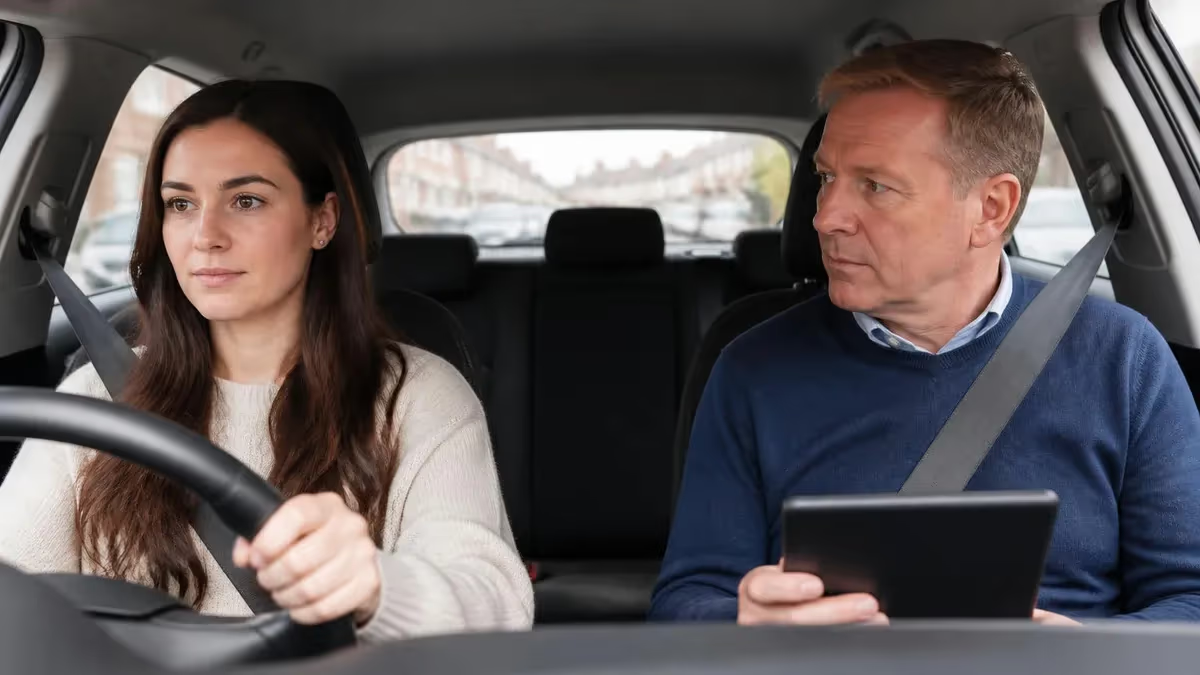
The theory test is the first major milestone on your journey to a full UK driving licence. Before you can sit the practical driving test, you must pass this two-part computer-based assessment — and knowing exactly what to expect is half the battle. Whether you've just started learning or you're retaking after a failed attempt, this guide covers everything from the format and booking process to the best ways to prepare. Start by building strong fundamentals with theory practice sessions to reinforce your knowledge before sitting the real thing.
The test itself consists of two sections: a multiple-choice question bank and a hazard perception video test. Both parts run in the same sitting, and you must pass both to receive a pass certificate. Fail either part and you'll need to rebook and resit the entire exam. That's why balanced preparation matters — cramming just the Highway Code isn't enough. You also need to train your eye to spot developing hazards on video clips, which is a skill that takes deliberate practice.
Many learners underestimate the theory test until they sit it unprepared. The question bank draws from over 700 possible questions covering rules of the road, road signs, vehicle safety, and environmental driving. Pass marks are 43 out of 50 for the multiple-choice section and 44 out of 75 for hazard perception. Both are achievable with structured study — and this guide will show you exactly how to get there.

Understanding the structure of the test is essential before you start preparing. The multiple-choice section gives you 57 minutes to answer 50 questions drawn from the DVSA's official question bank. Questions are presented one at a time, and you can flag any you're unsure about to revisit before submitting. Some questions include a photo — for example, a road sign or a junction scenario — to test your real-world recognition. You need 43 correct answers to pass this section of the test.
The hazard perception section follows a short tutorial, then presents 14 video clips of real driving scenarios filmed from a driver's perspective. Each clip contains at least one developing hazard — one clip contains two. You score by clicking as soon as you spot a hazard developing, with higher scores awarded for earlier, accurate responses. Clicking randomly is penalised, so genuine observation skills are what count. Practice is crucial here because the scoring system isn't intuitive until you've experienced it.
Both sections are completed at an official DVSA test centre using a touchscreen computer. You'll also be asked to agree to the DVSA's terms and complete an optional survey at the end. The whole sitting typically takes around an hour including the tutorial. Results are given immediately — you'll know whether you've passed before you leave the building. Keep your pass certificate safe; you'll need it when you book your practical driving test.
Booking the test is straightforward through the official DVSA website. You'll need your driving licence number and a debit or credit card to pay the £23 fee. Test slots are available at over 200 centres across the UK, so you can usually find a location close to home. Availability can vary — some centres get booked up weeks in advance, especially in cities. It's worth checking a few nearby centres if your first choice doesn't have slots soon enough.
Once you've chosen a centre and date, you'll receive a booking confirmation by email. Keep this handy — you'll need the reference number if you ever need to rearrange. You can reschedule your test up to 3 working days in advance without losing your fee. Cancel with less notice and you forfeit the money. If you're not feeling ready on the date you've booked, don't panic — rescheduling early is always better than sitting the test unprepared.
On test day, arrive at least 15 minutes early to give yourself time to sign in and get settled. Bring your driving licence (both parts if you have a paper counterpart). You won't be allowed in without valid ID. Mobile phones must be switched off and stored in a locker — you won't need anything during the test. The invigilator will guide you through the setup, and the on-screen tutorial walks you through the controls before the real questions begin.
Theory Test Study Methods
The most reliable study resource is the official DVSA revision app and the Highway Code book. The app mirrors the real test question bank and lets you practice by category — road signs, alertness, vehicle handling, and more. Every question comes with an explanation, which helps you understand the reasoning rather than just memorising answers. The Highway Code is updated regularly, so make sure you're using the latest edition. Together, these two resources cover everything you'll be tested on in the multiple-choice section of the test.
The multiple-choice section of the test covers 14 topic categories. These include alertness, attitude, safety and your vehicle, safety margins, hazard awareness, vulnerable road users, other types of vehicle, vehicle handling, motorway rules, rules of the road, road and traffic signs, documents, accidents, and vehicle loading. Each category carries different weightings — road signs and rules of the road tend to have the most questions, so prioritise those topics in your test revision.
Many learners make the mistake of only studying the question answers without understanding the underlying logic. The DVSA occasionally updates the question bank, so if you encounter a question you haven't seen before, reasoning from your Highway Code knowledge is what saves you. For example, stopping distances, speed limits in different zones, and right-of-way rules all follow clear logic that's easy to recall under pressure once you understand the principle, not just the answer.
Set a structured revision schedule and stick to it. Most learners need 2–4 weeks of consistent daily study to feel genuinely confident before sitting the test. Don't try to cram everything the night before — spaced repetition is far more effective. Apps that track your performance by category are particularly helpful because they identify your weak areas automatically and direct you where to spend more revision time in the run-up to your test date.
Hazard perception deserves its own focused approach. The test presents 14 video clips, each lasting around a minute, filmed from a driver's seat perspective. You'll encounter scenarios like pedestrians stepping into the road, cyclists pulling out, vehicles reversing from driveways, and wet roads causing longer stopping distances. The key is clicking when you first notice a situation that could require you to take action — slow down, change direction, or stop.
One clip in every test contains two scoreable hazards. This is always the last clip, but you won't know which one it is as you go through the test. So treat every clip as potentially containing two hazards and stay alert throughout. The score for each hazard ranges from 0 to 5 — a click at the earliest point earns 5, and scores decrease the later you click. If you click more than once during a scoring window, only your first click counts, so precision matters.
Don't look for obvious danger. The point of hazard perception is to test whether you can see risk building before it becomes critical. A child playing near a parked car is a developing hazard — click when you first see the child, not when they step out. A bus ahead with its indicator on is a developing hazard — click as you notice the signal, not when it pulls out. Train your eyes to scan wide and respond to context, not just to what's directly in front of you on the screen.
Theory Test: Pros and Cons of Different Study Methods
- +Official DVSA app mirrors the real question bank exactly
- +Practice tests reveal topic weak spots before test day
- +Hazard perception software builds genuine observation skills
- +Spaced repetition apps track your progress automatically
- +YouTube clips of real driving help train hazard spotting
- +Understanding the logic behind answers beats rote memorisation
- −Third-party apps may use outdated question banks
- −Cramming the night before rarely improves test performance
- −Over-relying on flashcards misses the reasoning behind answers
- −Skipping hazard perception practice is the most common mistake
- −Studying without timed tests leaves you unprepared for pressure
- −Some practice sites penalise random clicking — the real test does too
Pros and Cons at a Glance
| Pros | Cons |
|---|---|
| Official DVSA app mirrors the real question bank exactly | Third-party apps may use outdated question banks |
| Practice tests reveal topic weak spots before test day | Cramming the night before rarely improves test performance |
| Hazard perception software builds genuine observation skills | Over-relying on flashcards misses the reasoning behind answers |
| Spaced repetition apps track your progress automatically | Skipping hazard perception practice is the most common mistake |
| YouTube clips of real driving help train hazard spotting | Studying without timed tests leaves you unprepared for pressure |
| Understanding the logic behind answers beats rote memorisation | Some practice sites penalise random clicking — the real test does too |
If you fail the test, you can rebook after a 3-working-day waiting period. There's no limit on how many times you can attempt it — but each resit costs another £23, so it's worth investing proper preparation time rather than repeatedly sitting unprepared. When you go back, focus your revision on the sections where you dropped marks. Your result slip shows how you performed in each category, which makes targeted revision much easier the second time around.
A failed test isn't a disaster — it's data. Many learners pass comfortably on a second attempt after addressing their specific weak areas. The most common failure points are hazard perception (especially timing), road signs, and motorway rules. If you failed the multiple-choice but passed hazard perception (or vice versa), you still have to resit the entire test — both parts are required in the same sitting every time.
Once you have a pass certificate in hand, you've got two years to pass the practical driving test before it expires. If you don't pass the practical within two years, you'll need to resit the theory test again. This is worth planning around — don't book your theory test too early if you're only at the beginning of your practical lessons. Time it so your pass certificate will still be valid when you're ready to book your practical.
Theory Test Preparation Checklist
- ✓Get the latest edition of the Highway Code (2022 update covers new rules)
- ✓Download the official DVSA theory test revision app
- ✓Work through all 14 topic categories in the question bank
- ✓Score consistently above 47/50 on practice tests before booking
- ✓Complete at least 10 full hazard perception practice sessions
- ✓Book your test at least 2 weeks out so you have revision time
- ✓Bring your driving licence (photocard) to the test centre
- ✓Arrive 15 minutes early to sign in and get settled
- ✓Switch your phone off before entering the test room
- ✓Review your result slip after any failed attempt to target weak areas
Test day nerves are normal, but they're manageable. The night before, review your weakest topic categories one final time — but don't stay up late. A good night's sleep improves recall and reaction time more than any last-minute cramming. Eat something before you go; a test on an empty stomach is harder than it needs to be. Most test centres have a waiting area — arrive early and use those minutes to take a few slow breaths rather than frantically reviewing flashcards.
During the test itself, read every question twice. Some questions are worded to catch you out with negatives — "which of these is NOT allowed" is easy to misread under pressure. Use the flag feature freely. If a question stops you cold, flag it and move on. You can review all flagged questions before submitting. Most learners find they can answer flagged questions more easily after completing the rest of the test — context from other questions sometimes triggers the right memory.
The hazard perception section starts with a tutorial that explains how scoring works and lets you do a short practice clip. Take this seriously — it's not just a formality. The tutorial shows you the scoring window format and gives you a feel for the real test clips. After the tutorial, you go straight into the 14 scored clips without a break. Stay focused, keep scanning the whole frame, and click with confidence when you spot a developing situation rather than waiting to be certain.
One area many learners overlook is the environmental and eco-friendly driving section of the test. Questions cover topics like reducing fuel consumption, tyre pressure and its effect on handling and emissions, engine braking, and the environmental impact of different vehicle types. These questions may seem peripheral, but they appear regularly enough to cost you marks if you haven't studied them. Eco-driving also overlaps with vehicle safety — understanding how loads, tyre condition, and driving behaviour interact is tested in multiple topic categories.
Vulnerable road users — cyclists, motorcyclists, pedestrians, and horse riders — are another heavily weighted area. Questions test your knowledge of how to behave around these groups, what distances to give, and how weather and road conditions affect their safety. This section reflects the updated Highway Code rules from 2022 that established a clearer hierarchy of road users, giving pedestrians and cyclists greater legal priority in many situations. If you haven't studied the updated rules, this is a section worth spending extra time on before your test.
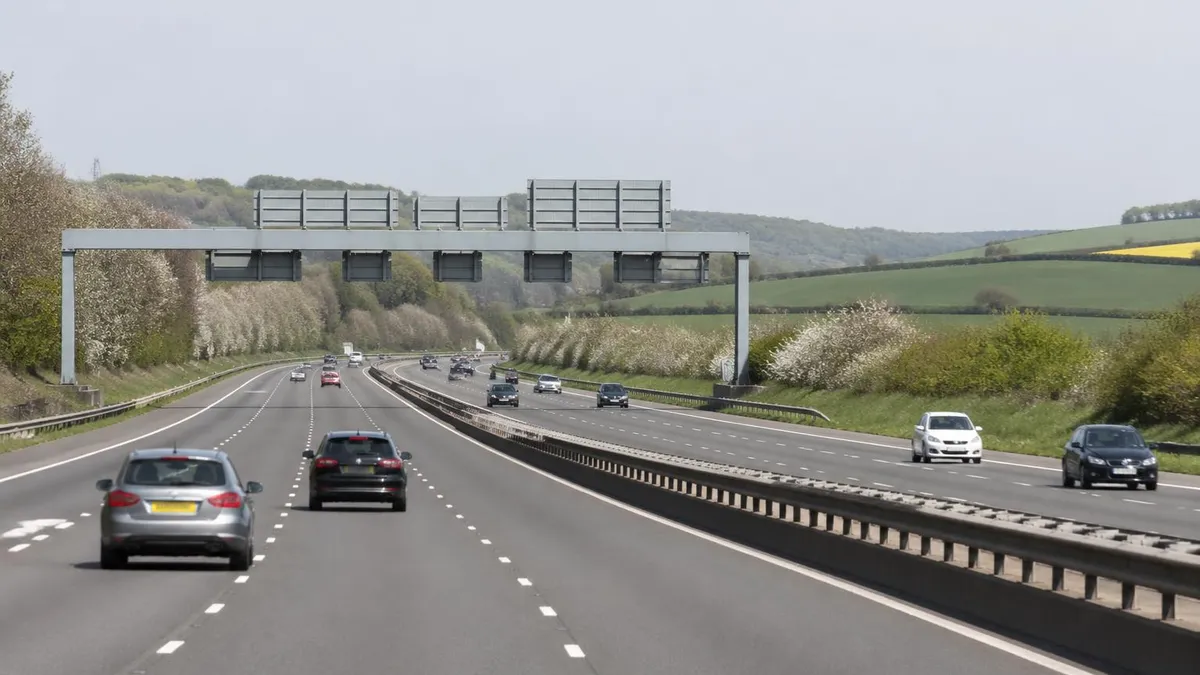
Motorway rules also appear regularly in the test, even for learner drivers who haven't yet been on a motorway. Questions cover the correct use of lanes, smart motorway rules (including what to do when a lane is closed by a red X), emergency refuge areas, and joining and leaving motorways. These are well-defined rules that are easy to learn — and getting them right adds several reliable marks to your test score if you've done the preparation.
Your theory test pass certificate is valid for 2 years from the date you pass. If you don't pass your practical driving test within that window, you'll need to resit the theory test before you can book another practical. Plan your practical lessons with this in mind — don't let your certificate expire by leaving your practical test too late.
Many learners ask how long it takes to prepare for the test. The honest answer depends on your starting point. If you've already been doing driving lessons and absorbing information from your instructor, you might be ready in 2–3 weeks of focused study. If you're starting completely from scratch, plan for 4–6 weeks. The most important variable isn't the amount of time you spend — it's the quality and consistency of your revision. Thirty minutes of focused practice every day beats a five-hour session once a week.
If you're struggling with particular categories, try changing your approach. Instead of reading the Highway Code passively, turn it into a quiz. Cover the answer and test yourself. Use video explanations for topics that don't click from text alone — road sign recognition in particular benefits from visual learning. Join driving learner communities online where people share which topics they found hardest. Sometimes hearing a different explanation of the same concept is all it takes to make it stick before your test.
Finally, remember that the theory test isn't just a hurdle to clear — it's genuinely useful knowledge. Understanding stopping distances, hazard perception, and the rules around vulnerable road users makes you a safer driver from day one of your practical lessons. Approach your revision with that mindset and you'll not only pass the test more easily, but carry those habits into every drive for the rest of your life on UK roads.
DVSA Practice Test Questions
Prepare for the DVSA - UK Driving Theory Test exam with our free practice test modules. Each quiz covers key topics to help you pass on your first try.
DVSA Eco-Friendly Driving and Vehicle Loading
DVSA Exam Questions covering Eco-Friendly Driving and Vehicle Loading. Master DVSA Test concepts for certification prep.
DVSA Hazard Awareness
Free DVSA Practice Test featuring Hazard Awareness. Improve your DVSA Exam score with mock test prep.
DVSA Incidents, Accidents and First Aid
DVSA Mock Exam on Incidents, Accidents and First Aid. DVSA Study Guide questions to pass on your first try.
DVSA Motorway Rules and Smart Motorways
DVSA Test Prep for Motorway Rules and Smart Motorways. Practice DVSA Quiz questions and boost your score.
DVSA Rules of the Road (Highway Code)
DVSA Questions and Answers on Rules of the Road (Highway Code). Free DVSA practice for exam readiness.
DVSA - UK Driving Theory Hazard Awareness ...
DVSA Mock Test covering - UK Driving Theory Hazard Awareness and Perception. Online DVSA Test practice with instant feedback.
DVSA - UK Driving Theory Motorway Rules an...
Free DVSA Quiz on - UK Driving Theory Motorway Rules and Regulations. DVSA Exam prep questions with detailed explanations.
DVSA - UK Driving Theory Road and Traffic ...
DVSA Practice Questions for - UK Driving Theory Road and Traffic Signs. Build confidence for your DVSA certification exam.
DVSA - UK Driving Theory Rules of the Road
DVSA Test Online for - UK Driving Theory Rules of the Road. Free practice with instant results and feedback.
After you pass your test, the next major step is passing the practical driving test. That's a separate assessment conducted by a DVSA examiner over roughly 40 minutes of on-road driving. It includes a vehicle safety check (the 'show me, tell me' questions), independent driving, and a reversing manoeuvre. Your theory test knowledge directly supports your practical performance — understanding road signs, hazard awareness, and traffic rules isn't just academic, it shows up in every decision you make behind the wheel during the practical test.
Keep your pass certificate somewhere safe. You'll need to present it when you book your practical driving test. If you lose your certificate, contact the DVSA — they can verify your pass status using your driving licence number, though it's a process that takes time. The pass certificate number is also shown in your DVSA online account if you registered when booking. Getting a replacement isn't impossible, but it's an avoidable complication if you file the certificate properly from the start.
Once you're a fully licensed driver, much of what you studied for the theory test remains relevant throughout your driving life. Rules around motorways, stopping distances, and vulnerable road users don't become irrelevant after you pass. The DVSA recommends that all drivers periodically revisit the Highway Code — not as a chore, but as a way to stay sharp on rules that may have been updated since you first passed. Safe driving starts with knowledge, and the theory test is where that foundation is laid.
Sample DVSA UK Driving Theory Practice Questions
Try these questions from our free DVSA UK Driving Theory practice tests. The correct answer and an explanation follow each question.
When approaching a junction, you see a rectangular blue sign with a large white arrow pointing forwards and a smaller red arrow pointing in the opposite direction. What does this mean for you?
- A. You are on a one-way street
- B. The road ahead narrows
- C. Oncoming traffic has priority
- D. You have priority over oncoming vehicles
Answer: D. You have priority over oncoming vehicles
This rectangular blue sign indicates that you have priority over vehicles travelling from the opposite direction. It is often used where the road narrows and only one vehicle can pass at a time.
You are following a large lorry on a wet road. How should you adjust your following distance?
- A. Keep the standard two-second gap
- B. Allow at least a four-second gap
- C. Stay close so you can see the road ahead
- D. Flash your lights to signal the lorry to speed up
Answer: B. Allow at least a four-second gap
On wet roads, you should at least double the two-second gap to four seconds. Large vehicles also create spray that can reduce your visibility significantly, so extra distance gives you a clearer view and more time to react.
When should you use the left-hand lane on a three-lane motorway?
- A. Only when joining or leaving the motorway
- B. When travelling at any speed, unless overtaking
- C. Only when driving below 50 mph
- D. When carrying heavy loads
Answer: B. When travelling at any speed, unless overtaking
On a motorway, you should normally drive in the left-hand lane regardless of your speed. The middle and right-hand lanes are for overtaking only. Once you have finished overtaking, you should return to the left-hand lane. Staying in the middle or right lane unnecessarily is called 'lane hogging' and is an offence.
At a 'Stop' sign, what must you do before proceeding?
- A. Slow down and give way only if traffic is approaching
- B. Sound your horn to warn other road users
- C. Stop completely before the line, then proceed when safe
- D. Flash your headlights and move forward cautiously
Answer: C. Stop completely before the line, then proceed when safe
A 'Stop' sign legally requires you to come to a complete stop at the line before checking it is safe to proceed.
DVSA Questions and Answers
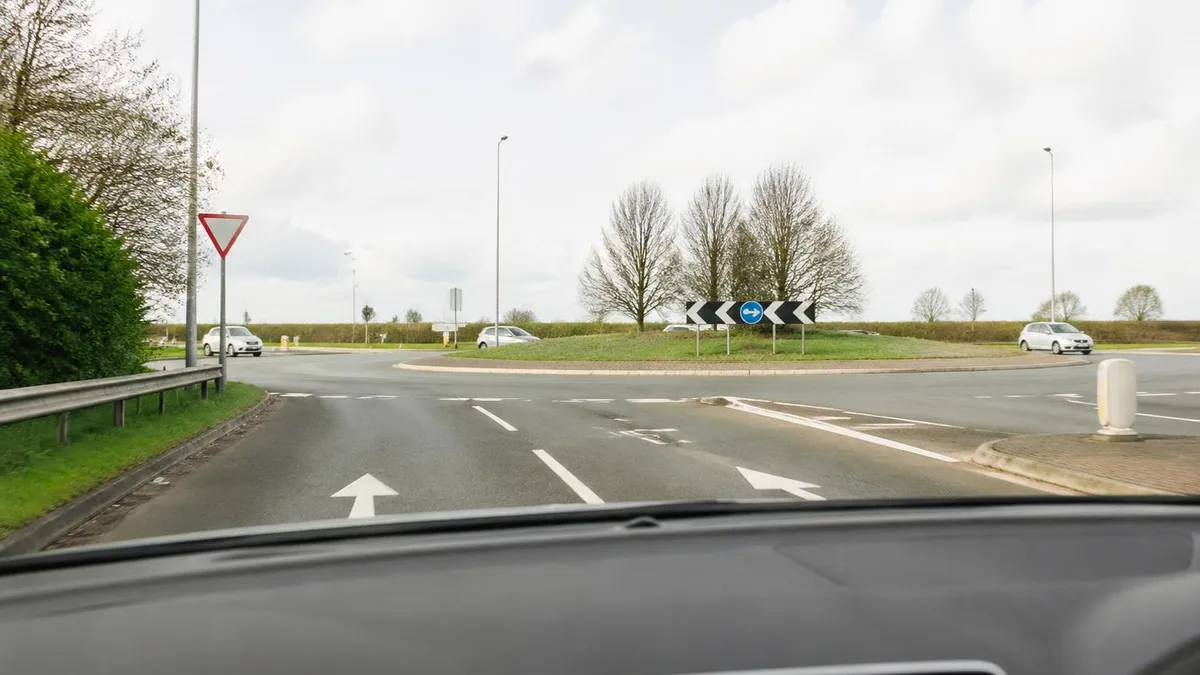
Practical Driving Test: Complete Guide to Passing Your DVSA Exam
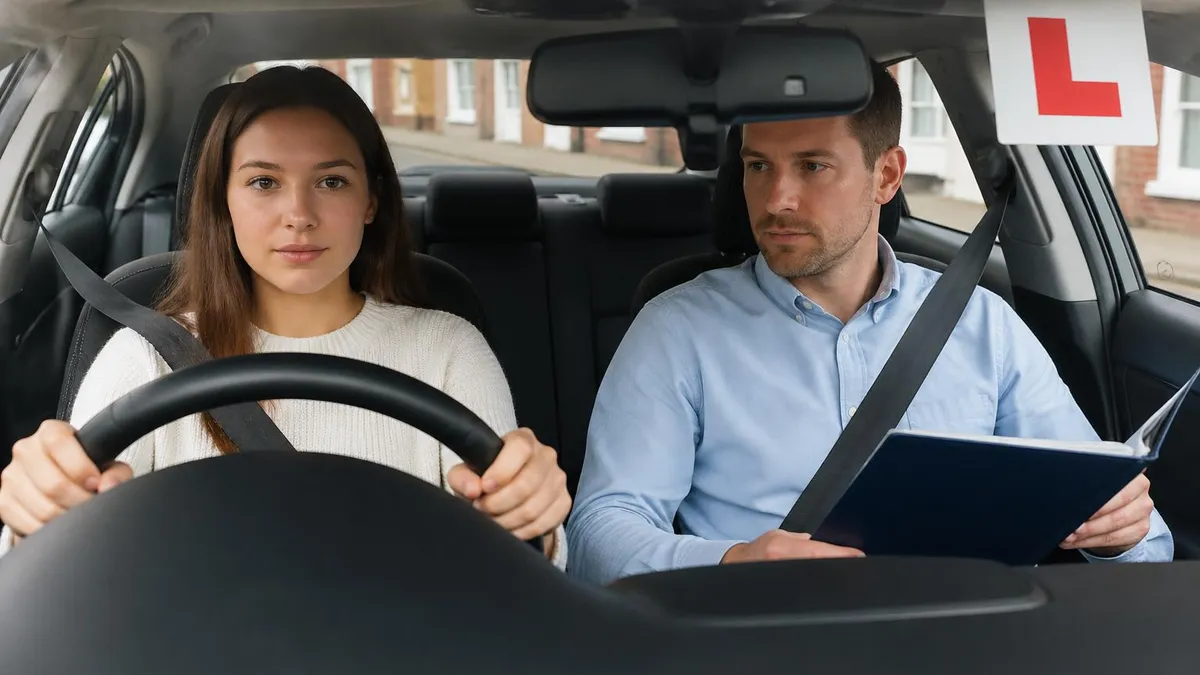
Book Practical Driving Test: How to Pass Your DVSA Exam First Time

Theory Test Practice: Complete DVSA Guide to Passing Your UK Driving Theory Test
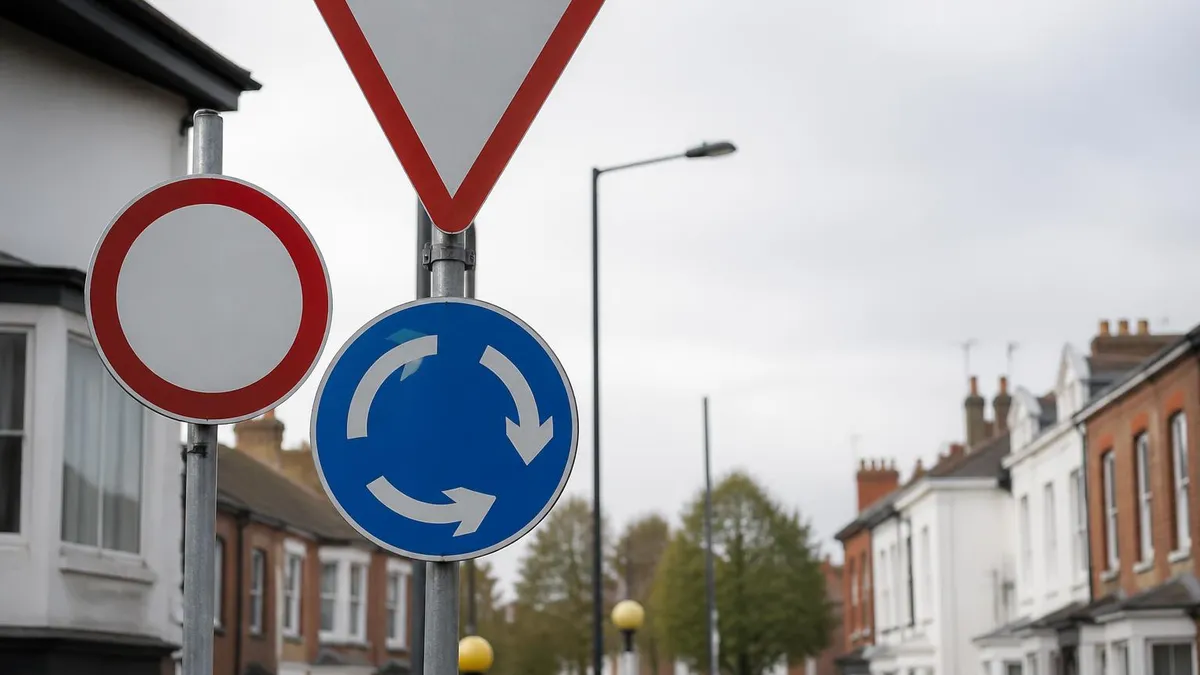
DVSA Driving Test: Full Format, Fault Categories, and How to Pass First Time
Change Driving Test Date: DVSA Rules, Process, and Finding Earlier Slots
About the Author

Licensed Driving Instructor & DMV Test Specialist
Penn State UniversityRobert J. Williams graduated from Penn State University with a degree in Transportation Management and has spent 20 years as a certified driving instructor and DMV examiner consultant. He has personally coached thousands of applicants through written knowledge tests, skills assessments, and commercial driver licensing programs across more than 30 states.