

DRE Practice Test
Updated for October 2026The (DRE) Drug Recognition Expert Certification equips law enforcement officers with specialized skills to identify individuals impaired by drugs other than alcohol. This program is vital in modern policing as the misuse of prescription medications, illegal drugs, and other substances continues to rise. The DRE certification allows officers to accurately assess impaired drivers, ensuring safer roads and communities. This article provides a comprehensive overview of the DRE certification process, what it entails, and how law enforcement professionals can become certified Drug Recognition Experts.
DRE Practice Test Questions
Prepare for the DRE - Drug Recognition Expert Certification exam with our free practice test modules. Each quiz covers key topics to help you pass on your first try.
DRE Communication & Stakeholder Relations
DRE Exam Questions covering Communication & Stakeholder Relations. Master DRE Test concepts for certification prep.
DRE Data Analysis & Reporting
Free DRE Practice Test featuring Data Analysis & Reporting. Improve your DRE Exam score with mock test prep.
DRE Documentation & Report Writing
DRE Mock Exam on Documentation & Report Writing. DRE Study Guide questions to pass on your first try.
DRE Field Sobriety & Vital Signs
DRE Test Prep for DRE Field Sobriety & Vital Signs. Practice DRE Quiz questions and boost your score.
DRE Toxicology & Drug Testing
DRE Questions and Answers on DRE Toxicology & Drug Testing. Free DRE practice for exam readiness.
DRE Drug Categories & Effects
DRE Mock Test covering Drug Categories & Effects. Online DRE Test practice with instant feedback.
DRE Evaluation Procedures
Free DRE Quiz on Evaluation Procedures. DRE Exam prep questions with detailed explanations.
DRE Impairment Recognition
DRE Practice Questions for Impairment Recognition. Build confidence for your DRE certification exam.
DRE Legal & Ethical Issues
DRE Test Online for Legal & Ethical Issues. Free practice with instant results and feedback.
DRE Professional Standards & Ethics
DRE Study Material on Professional Standards & Ethics. Prepare effectively with real exam-style questions.
DRE Project Planning & Execution
Free DRE Test covering Project Planning & Execution. Practice and track your DRE exam readiness.
DRE Quality Assurance & Improvement
DRE Exam Questions covering Quality Assurance & Improvement. Master DRE Test concepts for certification prep.
DRE Regulatory Compliance & Legal Framework
Free DRE Practice Test featuring Regulatory Compliance & Legal Framework. Improve your DRE Exam score with mock test prep.
Key Takeaways
Free DRE Practice Test Online
- DRE Certification equips officers to identify drivers impaired by substances other than alcohol, enhancing road safety.
- The DRE Program consists of three main phases: pre-school, DRE school, and certification, covering topics from drug categories to practical evaluations.
- Becoming a Drug Recognition Expert is a comprehensive process that provides officers with advanced skills in drug impairment detection.
What is DRE?
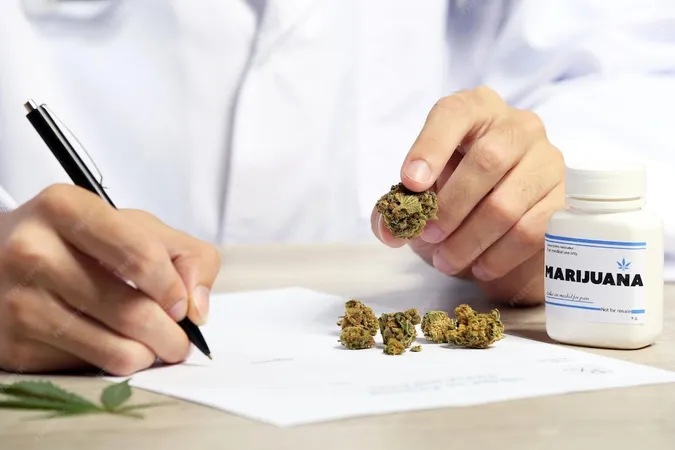
The Drug Recognition Expert (DRE) program is a specialized certification designed for law enforcement officers. It teaches officers to recognize and identify drivers who are under the influence of drugs other than alcohol. Officers trained through the DRE program are experts in detecting and evaluating drug-impaired individuals through various standardized methods.
A DRE can identify impairment in drivers who may not exhibit obvious signs of alcohol consumption but show symptoms of other drug use. This includes:
- Prescription medications
- Illegal substances
- Over-the-counter drugs
What Does DRE Stand For?
DRE stands for Drug Recognition Expert. It is a law enforcement title given to officers who have completed the rigorous DRE certification program. The DRE certification is recognized nationwide and provides officers with advanced training in identifying impairment caused by drug use.
DRE officers undergo specialized training to learn how to:
- Observe physical and behavioral signs of drug use.
- Administer a standardized drug influence evaluation (DIE).
- Accurately categorize which drug or combination of drugs the individual may have consumed.
DRE Program
The DRE program is one of the most advanced training courses for law enforcement officers, focusing on recognizing signs of drug impairment. This program is managed by the International Association of Chiefs of Police (IACP) and supported by the National Highway Traffic Safety Administration (NHTSA). The program is structured in three phases:
1. Pre-School Phase:
Officers begin with an introduction to drug impairment concepts, the physiological effects of different drugs, and how drug categories impact behavior and physical function.
2. DRE School Phase:
In this phase, officers undergo intensive classroom and practical training. Topics include:
- The Seven Drug Categories: Officers learn how to identify impairment based on the seven recognized drug categories, which include depressants, stimulants, hallucinogens, and others.
- The 12-Step Drug Evaluation Process: Officers are trained to conduct a 12-step drug evaluation protocol, covering everything from interviews and observation to toxicology reports.
3. Certification Phase:
The final phase requires officers to complete several supervised drug evaluations under the guidance of certified DRE instructors. Successful evaluations lead to full DRE certification.
Drug Recognition Expert Certification
The Drug Recognition Expert Certification is one of the most prestigious credentials a law enforcement officer can earn. Certification provides a competitive edge and reflects a commitment to advancing road safety by accurately identifying drug-impaired drivers.
Certification Requirements:
- Candidates must be law enforcement officers with prior experience in Standardized Field Sobriety Testing (SFST).
- Successful completion of the DRE training phases, including the supervised evaluation.
- Pass a written final exam and complete the necessary number of observed evaluations.
How to Become a Drug Recognition Expert
Becoming a Drug Recognition Expert involves a detailed process of training, field experience, and certification. Here's a step-by-step guide on how law enforcement officers can achieve this certification:
1. Meet Initial Requirements:
- You must be a sworn law enforcement officer.
- Complete a certification in Standardized Field Sobriety Testing (SFST) as a prerequisite.
2. Apply for DRE Training:
- Contact your local law enforcement agency or the International Association of Chiefs of Police (IACP) to inquire about available DRE training programs.
3. Complete the Pre-School Phase:
- Start with the pre-school phase, which introduces basic concepts of drug recognition and impairment.
4. Attend the DRE School:
- Engage in classroom and practical training on drug impairment, learning about drug categories, the 12-step evaluation process, and real-world case scenarios.
5. Gain Certification:
- After passing written exams and supervised evaluations, you will earn the DRE certification.
This certification is a valuable tool for law enforcement professionals dedicated to reducing drug-related incidents and ensuring safer driving environments.
Conclusion
The Drug Recognition Expert (DRE) certification is a prestigious and essential qualification for law enforcement officers tasked with keeping roads safe from drug-impaired drivers. Through advanced training and practical evaluations, officers can identify impairment caused by a range of substances, ensuring that appropriate legal measures are taken. For any law enforcement officer committed to public safety and interested in expanding their expertise in drug recognition, the DRE certification offers both professional growth and an opportunity to make a meaningful impact.
- +Industry-recognized credential boosts your resume
- +Higher earning potential (10-20% salary increase on average)
- +Demonstrates commitment to professional development
- +Opens doors to advanced career opportunities
- −Exam preparation requires significant time investment (4-8 weeks)
- −Certification fees can be $100-$400+
- −May require continuing education to maintain
- −Some employers may not require certification
Sample General Practice Questions
Try these questions from our free General practice tests. The correct answer and an explanation follow each question.
In reading comprehension, the term 'inference' means:
- A. A direct quote from the text
- B. A conclusion drawn from evidence not explicitly stated
- C. A summary of the main idea
- D. A definition provided by the author
Answer: B. A conclusion drawn from evidence not explicitly stated
An inference is a logical conclusion the reader draws based on clues in the text rather than stated facts.
What is the minimum distance from the edge of a roof that OSHA requires guardrails to be installed on construction sites?
- A. 4 feet
- B. 6 feet
- C. 10 feet
- D. 15 feet
Answer: B. 6 feet
OSHA requires fall protection when working at heights of 6 feet or more in construction (29 CFR 1926.502).
According to OSHA, what is the maximum weight a single worker should routinely lift without mechanical assistance?
- A. 25 lbs
- B. 35 lbs
- C. 50 lbs
- D. 75 lbs
Answer: B. 35 lbs
OSHA and NIOSH generally recommend a maximum of 35 lbs for routine lifting tasks to prevent musculoskeletal injuries.
What is the main purpose of a topic sentence in a paragraph?
- A. To provide supporting evidence
- B. To conclude the paragraph's argument
- C. To introduce the main idea of the paragraph
- D. To define key vocabulary terms
Answer: C. To introduce the main idea of the paragraph
A topic sentence states the central idea of a paragraph and sets up what the rest of the paragraph will discuss.
General Questions and Answers
About the Author
Executive Chef & Culinary Arts Certification Educator
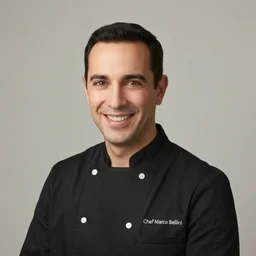
Culinary Institute of AmericaChef Marco Bellini is a Certified Executive Chef and graduate of the Culinary Institute of America with over 20 years of professional kitchen experience in Michelin-recognized restaurants. He teaches culinary arts certification, food safety, and hospitality exam preparation, having guided thousands of culinary students through their ServSafe, ProStart, and professional chef certifications.
Join the Discussion
Connect with other students preparing for this exam. Share tips, ask questions, and get advice from people who have been there.
View discussion (5 replies)