
DMV Written Test Attempts: How Many Times Can You Take It & What DMV Customer Service Representatives Need to Know
How many attempts for DMV written test? 🎯 Learn retry limits by state, waiting periods, fees, and tips from DMV customer service representative experts.

If you are wondering how many attempts for DMV written test you are allowed before facing additional hurdles, the answer varies by state — but most states permit between two and five attempts before imposing mandatory waiting periods or requiring you to restart the application process entirely. Understanding these limits is essential whether you are a first-time driver preparing for your learner's permit or a DMV customer service representative helping applicants navigate the licensing system every day. Knowing the rules upfront saves time, money, and frustration for everyone involved.
The DMV written test, also called the knowledge test or permit exam, evaluates your understanding of traffic laws, road signs, right-of-way rules, and safe driving practices. Each state designs its own version of this test, meaning the number of questions, passing score, and retry policies differ significantly across the country. A DMV customer service representative at your local branch is typically one of the best resources for learning the specific rules that apply in your jurisdiction, since they handle these inquiries dozens of times each day.
Most states set their passing threshold between 70 and 80 percent. California, for instance, requires applicants to answer at least 38 out of 46 questions correctly — roughly an 83 percent score — on its Class C knowledge test. New York requires 14 correct answers out of 20 questions, which equals a 70 percent passing rate. Florida mandates a 80 percent score. These differences mean that preparation strategies must be tailored to your specific state's standards, and your dmv written test attempts budget may run out faster in more demanding states.
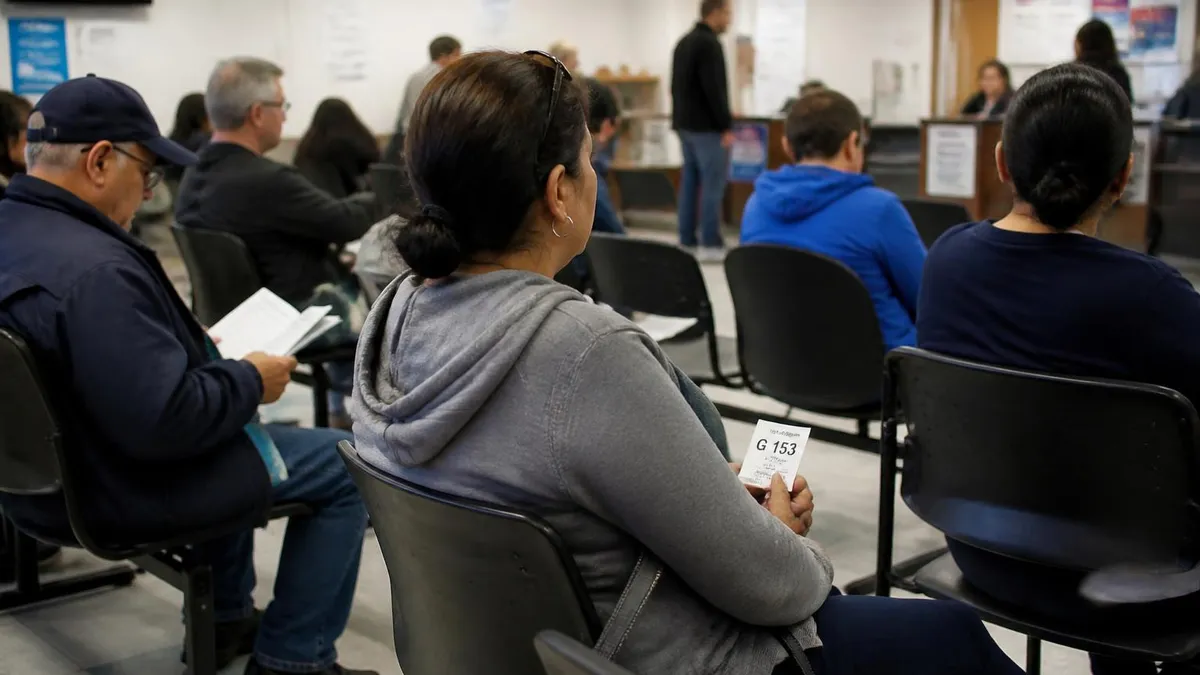
When applicants fail the knowledge test, the immediate question is how soon they can try again. Most states impose a waiting period between attempts — commonly 24 hours to one week — to give applicants time to study before retesting. Some states charge a small re-examination fee for each additional attempt, which can range from five to twenty dollars depending on the jurisdiction. A DMV representative will typically inform you of these fees and waiting periods when you receive your failed test results at the counter.
After exhausting the permitted number of attempts within a testing cycle, many states require applicants to wait a set period — sometimes 30 days or even six months — before beginning again. In some jurisdictions, failing too many times within a year means your application is canceled and you must reapply from scratch, paying the original application fee again. This makes each test attempt genuinely valuable, and it underscores why thorough preparation before walking into the DMV is so important for every applicant.
The role of the DMV customer service representative in this process goes beyond simply handing out score sheets. These professionals explain retry policies, collect re-examination fees, schedule new appointments in states with appointment-based testing, and often provide guidance on which study materials are available. In busy urban offices in states like New York and California, a single representative may assist dozens of retesting applicants per day, making familiarity with attempt-limit policies a core part of the job description.
This guide covers everything you need to know about DMV written test attempt limits by state, strategies for passing on your first or second try, what to expect when you speak to a DMV representative about retesting options, and how DMV customer service representative exam candidates can use this knowledge in their own career preparation.
DMV Written Test Attempts by the Numbers
Key Facts at a Glance
| Item | Value | Details |
|---|---|---|
| Attempts Allowed | 2–5 | Before mandatory waiting period in most states |
| Passing Score Range | 70–83% | Across all 50 states and DC |
| Re-Exam Fee | $5–$20 | Per additional attempt in fee-charging states |
What Happens After Each Failed DMV Written Test Attempt
Receive Your Score Sheet
Pay Any Re-Examination Fee
Observe the Mandatory Waiting Period
Schedule Your Next Attempt
Complete Additional Requirements If Limits Exceeded
Understanding how the retesting process works at a procedural level helps applicants and DMV customer service representatives alike manage expectations and plan effectively. When an applicant fails the written knowledge test, the process does not simply reset to square one — there are specific steps, timelines, and requirements that must be followed before the next attempt is valid. Every state has codified these procedures in its administrative code, and DMV representatives are trained to enforce them consistently regardless of individual circumstances.
In California, applicants are permitted three attempts on the knowledge test within a 12-month period from the date of their original application. If all three attempts are failed within that window, the applicant's permit application is considered void, and they must reapply, pay a new application fee of thirty dollars, and begin the testing cycle again. California also requires that applicants wait at least seven days between the second and third attempts, giving them time to study the California Driver Handbook more thoroughly before using their final chance in that cycle.
New York State takes a somewhat different approach. After failing the written test, applicants may retest without any mandatory waiting period, though in practice the scheduling realities at busy DMV offices mean waiting several days for the next available appointment. New York allows unlimited retakes within the application period, but each retest requires a five-dollar fee.
If you need guidance on retesting specifics in New York and wonder how do I speak to a DMV representative in NY, you can call the New York DMV contact center at 518-486-9786 or visit the DMV website to initiate a live chat with a DMV representative during business hours.
Florida requires applicants to score at least 80 percent on its 50-question knowledge test. The state allows three attempts with no mandatory waiting period between each try. However, if an applicant fails all three attempts, they must pay a new $48 original license fee before retesting. Florida also mandates a Traffic Law and Substance Abuse Education course for first-time license applicants who are 18 years or older, which must be completed before any testing — failing does not waive this requirement.
Texas DMV offices follow a structured protocol where applicants may test three times before a mandatory 30-day waiting period kicks in. Each of the first three attempts within the waiting-period cycle carries no additional charge beyond the original application fee, but subsequent attempts after the 30-day reset are subject to a re-examination fee of ten dollars. Texas DMV representatives are required to log every attempt in the state's Verifiable Driver Record system, ensuring accurate tracking across multiple office locations throughout the state.
States with stricter retesting policies often see higher demand for DMV representative assistance, as confused or anxious applicants seek clarification about their options. DMV customer service representatives in these states must be thoroughly familiar with not only the attempt limits but also the exceptions — such as those granted to applicants with documented disabilities who may qualify for extended testing accommodations or additional attempts under the Americans with Disabilities Act. Knowing these nuances makes a DMV representative an invaluable resource for the public.
For applicants who have already used up their allotted attempts and are waiting out a mandatory cool-down period, the time should be spent systematically reviewing the driver's manual rather than casually skimming it. Creating flash cards for road signs, practicing with timed mock exams that simulate the actual test environment, and focusing on the specific topic areas flagged in the failure report are all strategies that meaningfully improve pass rates on subsequent attempts. The difference between a second failure and a first-attempt pass on the retest is almost always the depth and structure of the intervening study period.
DMV Customer Service Representative: Regional Rules on Retesting
In the Northeast, states like New York, Massachusetts, and Pennsylvania each have distinct retesting rules. New York allows unlimited attempts with a five-dollar fee per retest and no mandatory waiting period between failures, making it one of the more forgiving states. Massachusetts permits up to three attempts within 90 days before requiring reapplication, with a seven-day wait between tests. Pennsylvania allows three attempts within one year, after which applicants must reapply and pay new fees. DMV representatives in this region frequently field questions about fee waivers and appointment availability, particularly in dense urban areas like Manhattan and Philadelphia where test slots fill up fast.
Connecticut and New Jersey impose similar three-attempt limits but differ on waiting periods — Connecticut mandates 24 hours between each try, while New Jersey requires just a one-day gap after the first failure and a two-week wait after the second. Rhode Island DMV representatives note that their state resets the attempt counter annually, giving persistent applicants a fresh start each year without requiring a full reapplication. Understanding these regional differences is a core competency for any DMV customer service representative working near state borders where cross-state applicants are common.
Pros and Cons of States With Strict vs. Lenient Retry Policies
- +Lenient states allow more attempts, reducing pressure on first-time test takers
- +Unlimited or high-attempt states give applicants time to genuinely learn the material between retests
- +States with no mandatory waiting periods let motivated applicants retest quickly after targeted studying
- +Jurisdictions without re-examination fees lower the financial barrier for lower-income applicants
- +Flexible policies mean fewer applicants are permanently locked out of driving privileges due to test anxiety
- +High-attempt-limit states tend to see higher overall licensure rates among teen applicants
- −Lenient states may see applicants attempt the test without adequate preparation, wasting DMV resources
- −No waiting period encourages same-day retesting before meaningful additional study occurs
- −States with unlimited attempts can experience longer test queue wait times in high-volume offices
- −Loose policies may result in less safety-ready drivers receiving licenses after many marginal passes
- −Inconsistency across states confuses applicants who relocate and assume their home state's rules apply
- −DMV customer service representatives in lenient states may spend more time managing repeated-failure cases
Before Your Next DMV Written Test Attempt: 10-Point Checklist
- ✓Download or obtain the most current version of your state's official driver's handbook from the DMV website.
- ✓Review your failure report and identify the three to five topic areas where you lost the most points.
- ✓Complete at least three full-length practice tests under timed conditions before scheduling your retest.
- ✓Study road sign recognition separately — most state tests include 10 or more sign-identification questions.
- ✓Memorize your state's specific speed limits for school zones, residential streets, and highway entry ramps.
- ✓Review right-of-way rules at intersections, railroad crossings, and emergency vehicle encounters.
- ✓Confirm the waiting period and any re-examination fee required in your state before scheduling the appointment.
- ✓Bring all required identification documents on test day to avoid disqualification before the test begins.
- ✓Arrive at the DMV at least 15 minutes early and ask the DMV customer service representative any last-minute procedural questions.
- ✓Get adequate sleep the night before — cognitive performance on multiple-choice tests drops measurably with less than seven hours of rest.
Targeted Review Outperforms Re-Reading the Full Handbook
Research on test-taking strategy consistently shows that applicants who focus their restudy on the specific topics flagged in their failure report pass at significantly higher rates than those who re-read the entire driver's manual from cover to cover. Your score report is a precision study guide — use it. If signs and signals cost you four questions, spend 80 percent of your prep time on that chapter alone before your next attempt.
Passing the DMV written test on your next attempt requires more than simply reviewing the material you already know — it demands a strategic approach to the specific gaps exposed by your previous failure. The knowledge test is deliberately designed to assess a broad range of traffic law comprehension, which means even experienced drivers who have been on the road for years can be tripped up by questions covering obscure right-of-way scenarios, precise speed limit thresholds, or the specific meaning of less common road signs. Closing these gaps efficiently is the difference between a confident pass and another disappointing result.
The single most effective preparation tool available to any applicant is the official state driver's handbook. Every question on every state's written knowledge test is drawn directly from the content of this document — no question on the official exam covers material not addressed somewhere in the handbook.
This means that an applicant who has read the handbook thoroughly and understands its content is theoretically capable of passing with a perfect score. The challenge is that most people do not read the handbook with sufficient attention to detail, skimming through sections that seem obvious while failing to absorb the precise legal thresholds and procedural rules that the test actually measures.
Practice tests are the second most important preparation resource, and free official practice tests are available on virtually every state DMV website. These tests pull questions from the same bank used for the actual exam in many states, meaning that familiarity with the practice questions directly translates to improved performance on test day.
Research on testing effect — the well-documented phenomenon where attempting to recall information strengthens memory more effectively than re-reading — supports using practice tests as a primary study tool rather than a final review. Aim to complete at least five full-length practice tests, targeting a score of 90 percent or higher on each before scheduling your real attempt.
Road sign recognition deserves special attention during preparation. Most state knowledge tests dedicate between 20 and 30 percent of their questions to sign identification, including warning signs, regulatory signs, informational signs, and construction zone markers. Many applicants who struggle with the written test report losing the most points on sign questions, often because they rely on assumed familiarity rather than systematic study. Creating a flashcard set with the sign image on one side and its name, meaning, and legal implications on the other is one of the most efficient ways to solidify this knowledge before your next attempt.
Understanding the scoring structure of your state's specific test also helps you allocate study time intelligently. If California's test uses 46 questions with a maximum of three wrong answers allowed, the margin for error is extremely thin — each question carries meaningful weight, and guessing on unfamiliar topics is a high-risk strategy. By contrast, New York's 20-question test allows up to six wrong answers, giving applicants more room to confidently skip genuinely uncertain questions and return to them at the end. Knowing your state's format turns test-taking itself into a skill that can be practiced independently of the content knowledge.
Mental preparation on the day of the test is frequently underestimated. Test anxiety is a real and well-documented phenomenon that can cause applicants to perform below their knowledge level even after thorough preparation. Arriving at the DMV early, taking a few minutes to breathe deeply, and reminding yourself that you have prepared thoroughly can meaningfully reduce anxiety-driven errors. DMV customer service representatives who work with repeat test takers note that many applicants who fail multiple times do so not because they lack knowledge but because they rush through questions or second-guess answers they initially knew were correct.
Finally, consider the timing of your test appointment relative to your personal schedule. Morning appointments, particularly those scheduled for the first hour the DMV opens, tend to see shorter wait times, fresher testing equipment, and staff who have not yet been drained by a full day of high-volume service interactions. While the test itself is standardized, the environment in which you take it can affect your focus and composure, and scheduling strategically is a low-effort way to give yourself every possible advantage heading into your most important driving test attempt.
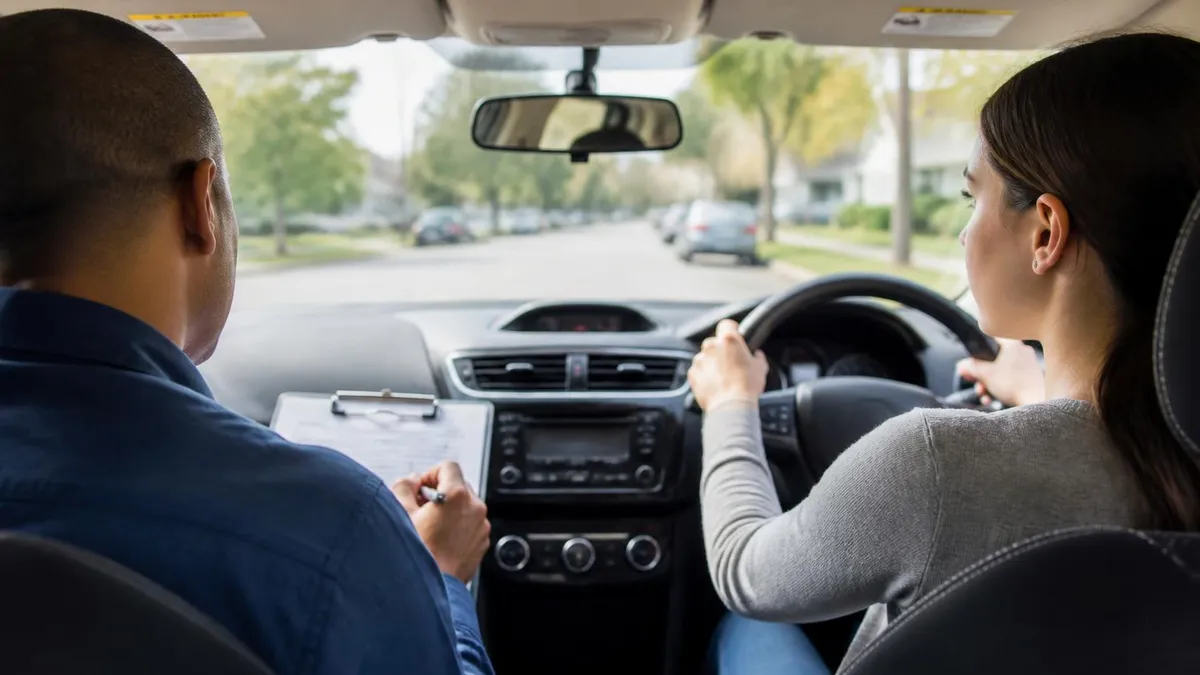
In many states, failing the written knowledge test beyond the permitted number of attempts within a single application cycle does not simply pause your progress — it cancels your application entirely. This means you must pay the original application fee again, start the process from the beginning, and in some states wait a mandatory 30 to 180 days before even reapplying. Check your state's specific rules before your next attempt so you know exactly how many chances remain in your current cycle.
For individuals pursuing a career as a DMV customer service representative, understanding the written test attempt policies is not just useful background knowledge — it is a practical job requirement. DMV representatives are among the first points of contact for applicants who have just received a failing score, and the quality of information they provide in those interactions directly shapes the applicant experience and the office's overall service reputation. A well-informed representative who can calmly explain waiting periods, retest fees, scheduling options, and study resources turns a frustrating moment into a constructive one.
The DMV customer service representative role itself is a civil service position in most states, requiring applicants to pass a written civil service exam, complete a background check, and demonstrate proficiency in data entry, customer communication, and knowledge of motor vehicle law.
In New York State, for example, DMV representative candidates must pass the New York State Civil Service examination, which tests reading comprehension, arithmetic reasoning, and written communication skills. Preparation for this exam follows many of the same principles as preparation for a driver's knowledge test — systematic study, practice testing, and focused review of identified weak areas all apply equally.
The salary range for a DMV customer service representative varies by state and experience level, but the national median falls in the range of fifty-eight thousand to seventy thousand dollars annually for experienced full-time representatives in metropolitan areas. States with strong public employee union contracts, such as California, New York, and Illinois, tend to offer higher base salaries along with comprehensive benefits packages that include health insurance, retirement contributions, and paid leave. Entry-level positions typically start lower — around forty thousand to forty-eight thousand dollars per year — but advance steadily with tenure and performance evaluations.
Career advancement within the DMV typically follows a structured path: entry-level representative, senior representative, supervisor, and ultimately branch manager or regional administrator. Each step up the ladder generally requires additional years of service, demonstrated performance metrics, and in some states additional civil service examinations. Representatives who develop expertise in specific high-complexity areas — such as commercial driver licensing, vehicle title and registration disputes, or disability accommodation processing — often advance faster than generalists by becoming indispensable subject matter resources within their offices.
Customer communication skills are arguably the most critical competency for a DMV customer service representative, and they are tested both during the hiring process and throughout employment. Representatives regularly interact with applicants who are frustrated, confused, anxious, or dealing with complex situations involving suspended licenses, identity verification challenges, or vehicle title disputes. The ability to remain calm, communicate clearly, and follow established procedures without deviation is what distinguishes a high-performing representative from one who struggles in the role. Many state DMV agencies now provide structured customer service training programs as part of new employee onboarding to build these skills systematically.
Technology proficiency is increasingly important as DMV agencies modernize their systems. Most state DMVs have transitioned or are transitioning from legacy paper-based systems to integrated digital platforms that allow representatives to access applicant records, process transactions, and schedule appointments in real time. Representatives who demonstrate strong technology aptitude and can train peers on new systems often find themselves on a fast track for promotion. Online service expansion has also shifted some routine transactions away from in-person counters, which means in-office visits increasingly involve complex cases that require deeper representative knowledge and problem-solving skills.
For those considering the DMV representative career path, practicing with relevant exam content is an essential first step. The quiz resources available on PracticeTestGeeks cover consumer protection and dispute resolution scenarios, vehicle inspection standards, and safety compliance topics that appear directly on DMV representative civil service examinations in multiple states. Regular practice with these materials builds both content knowledge and exam-taking stamina, two qualities that meaningfully improve performance on test day for both the civil service hiring exam and the ongoing professional development assessments many state DMVs require throughout a representative's career.
Practical preparation tips for the DMV written test go beyond simply reading the handbook and hoping for the best. The most successful first-time and retest applicants share a common approach: they treat preparation as a structured project with defined goals, measurable milestones, and specific daily study commitments rather than a vague intention to review material at some point before showing up. This section outlines the most actionable and evidence-backed strategies for making your next DMV knowledge test attempt your last one.
Start your preparation by downloading your state's official DMV driver's handbook directly from the state DMV website. Avoid third-party summaries or unofficial guides as your primary study resource — while these can be useful supplements, the official handbook is the authoritative source from which every test question originates.
Print the table of contents and use it as a study roadmap, working through one chapter per study session and taking notes on specific numbers, thresholds, and rules that appear throughout each chapter. Pay particular attention to chapters covering speed limits, alcohol and drug impairment rules, right-of-way laws, and road sign identification, as these are consistently the highest-weight sections across all state knowledge tests.
Build a study schedule that spreads preparation across at least one to two weeks rather than cramming the night before the test. Cognitive research consistently shows that spaced repetition — reviewing material multiple times over several days with gaps between sessions — produces significantly better long-term retention than a single intensive study session. A practical schedule might involve reading one handbook chapter per day, completing one practice test per day, and dedicating the final two days before the test exclusively to reviewing missed questions and weak topic areas identified during practice sessions.
Simulate real test conditions during your practice sessions to reduce test-day anxiety and build familiarity with the exam format. Set a timer for the same duration your state allows for the actual test, sit at a desk without distractions, and avoid checking answers until you have completed all questions. Reviewing your score immediately after each practice test and cataloguing the topic category of every missed question gives you a data-driven picture of your knowledge gaps that you can systematically close with targeted handbook review.
Road signs are worth special attention because they are visual rather than text-based, which means they require a different kind of memory than rules and regulations. Create a physical or digital flashcard set with each sign's image on one side and its full meaning and any associated legal requirements on the other.
Test yourself on signs in random order rather than by category, since the actual knowledge test presents signs in mixed sequence. Focus particular attention on warning signs, since their yellow-diamond shape makes them easy to recognize but their specific meanings — the difference between a deer crossing sign, a slippery road sign, and a divided highway begins sign — require careful memorization.
On test day itself, adopt a deliberate pacing strategy. Read each question carefully and fully before looking at the answer choices, since the wording of DMV knowledge test questions is often intentionally precise and a misread question can lead to a wrong answer even when you know the material.
When you encounter a question you are unsure about, mark it and move on rather than spending excessive time on it — returning to uncertain questions with a fresh perspective often unlocks the correct answer more efficiently than forcing a response on first read. Avoid changing answers unless you have a specific, concrete reason to do so, since initial instincts on well-studied material are correct more often than second-guessed responses.
After the test, whether you pass or need to attempt again, take a few minutes to mentally reconstruct the questions that felt most difficult. This debrief process, even without access to the actual test questions, helps reinforce the correct answers through the testing effect and prepares you better for any future testing situations.
If you do need to retest, use your failure report combined with this mental debrief to build the most targeted and efficient restudy plan possible — and remember that the vast majority of applicants who approach their second or third attempt with structured preparation ultimately pass and go on to become safe, confident, licensed drivers.
Sample DMV - Representative Exam Practice Questions
Try these questions from our free DMV - Representative Exam practice tests. The correct answer and an explanation follow each question.
A salesperson promises a customer a specific trade-in value verbally but the written contract reflects a lower amount. Which document governs the transaction?
- A. The verbal agreement, since it was made first
- B. The written contract, as it is the binding legal document
- C. Whichever amount is higher, per consumer protection law
- D. The trade-in appraisal form, if signed by both parties
Answer: B. The written contract, as it is the binding legal document
In most jurisdictions, the signed written contract supersedes verbal promises — consumers should verify all representations are in writing before signing.
California's Lemon Law (Song-Beverly Consumer Warranty Act) presumes a vehicle is a lemon if the manufacturer cannot repair the same defect after how many attempts?
- A. 2
- B. 3
- C. 4
- D. 5
Answer: C. 4
The Song-Beverly Act creates a presumption of a lemon after 4 unsuccessful repair attempts for the same substantial defect.
A customer asks a salesperson whether the vehicle was previously used as a rental. The salesperson does not know but says 'No.' This could constitute:
- A. An acceptable sales tactic
- B. Material misrepresentation
- C. A minor disclosure error with no consequence
- D. Dealer puffery protected by law
Answer: B. Material misrepresentation
Making a false statement about a material fact—even without knowing it is false—can constitute misrepresentation under consumer protection laws.
A franchised new car dealer receives a vehicle from the manufacturer with a defect listed on a technical service bulletin (TSB). What is the dealer's obligation before selling the vehicle?
- A. Disclose the TSB to the buyer in writing
- B. Perform the TSB repair before delivery
- C. Report the defect to the DMV within 48 hours
- D. Return the vehicle to the manufacturer immediately
Answer: B. Perform the TSB repair before delivery
Dealers are generally required to perform outstanding TSB repairs and any open recalls before delivering a new vehicle to a customer.
DMV Questions and Answers

DMV Customer Service Representative: Complete Career Guide & Permit Test Practice

DMV Drivers License: Application, Tests, REAL ID and Renewals

DMV Knowledge Test Online: Complete Guide to Passing in 2026

Virginia DMV Hours & DMV Customer Service Representative Guide: Is DMV in VA Open Today?

DMV ID Card Cost: Complete 2026 Guide to Fees, Requirements, and Application Steps
About the Author
Licensed Driving Instructor & DMV Test Specialist
Penn State UniversityRobert J. Williams graduated from Penn State University with a degree in Transportation Management and has spent 20 years as a certified driving instructor and DMV examiner consultant. He has personally coached thousands of applicants through written knowledge tests, skills assessments, and commercial driver licensing programs across more than 30 states.
Join the Discussion
Connect with other students preparing for this exam. Share tips, ask questions, and get advice from people who have been there.
View discussion (8 replies)