
DMV Forms and Services: Everything You Need for Vehicle Registration
⏳ Get ready for your DMV Forms and Services: Everything You certification. Practice questions with step-by-step answer explanations and instant scoring.

Walking into a DMV office without the right paperwork is like showing up to a test you didn't study for — frustrating and a total waste of time. Understanding dmv forms and services before your visit can save you hours of waiting and multiple trips. Whether you're renewing a license, transferring a title, or registering a new vehicle, each transaction requires specific documentation that varies by state.
Many drivers don't realize that aaa dmv services can handle several DMV-related tasks for members, from registration renewals to international driving permits. AAA offices often have shorter wait times and friendlier service than your local DMV branch. It's worth checking what your membership covers before standing in a government line.
The landscape of dmv registration services has changed dramatically in recent years. Most states now offer online portals where you can complete routine transactions from your couch. Still, certain tasks — like getting a Real ID or taking a driving test — require an in-person visit. This guide breaks down the most common forms, explains which services you can handle online, and helps you gather the right documents so your next DMV trip goes smoothly. We've organized everything by service type so you can jump straight to what you need.

Getting your vehicle properly registered is one of the most common reasons people visit the DMV. DMV registration services typically include new vehicle registration, renewals, plate transfers, and duplicate title requests. Each state has its own fee schedule and timeline, but most registrations can be renewed online or by mail if you're not making changes to the vehicle record.
One thing that trips people up? The 2 forms of id requirement. When you're applying for a Real ID-compliant license or state ID, federal law mandates you bring proof of identity and proof of residency — and not just any documents will do. Your passport or birth certificate covers identity, while a utility bill or bank statement proves where you live. Bringing the wrong combination means another trip — and nobody wants that.
Title transfers are another high-volume service, especially for private-party vehicle sales. You'll need the signed title from the seller, a bill of sale, an odometer disclosure statement, and sometimes a lien release. Some states require a smog or safety inspection before they'll process the transfer. Don't skip the fine print — missing one form can delay everything by weeks. Private-party buyers should also verify the vehicle's VIN against the title to confirm there are no discrepancies or outstanding recalls before completing the purchase.
The vehicle services division in most states handles far more than basic registrations. This branch manages commercial vehicle permits, dealer licensing, fleet registrations, and specialty plate programs. If you run a business that uses vehicles, you'll interact with this division regularly. They're also the ones who process salvage titles and rebuilt vehicle inspections.
Before any major DMV transaction, you'll want to confirm you have two forms of id ready. The specific documents accepted differ slightly by state, but the pattern is consistent: one primary document proving identity (birth certificate, valid passport, or permanent resident card) and one secondary document showing your current address. Some states accept a W-2 or Social Security card as secondary ID. Check your state's DMV website for the exact list — it's usually buried under the "new residents" or "first-time applicants" section.
If you're dealing with dmv forms for the first time, don't panic. Most are straightforward fill-in-the-blank documents. The trick is knowing which ones you need. A vehicle registration application is different from a title application, which is different from a permit request. Your state's DMV website usually has downloadable PDFs you can fill out at home.
Registration & Title Services by State Type
States like California, Texas, and Florida offer strong online portals where you can renew registration, order replacement titles, and even schedule appointments. These systems accept credit cards and send documents by mail within 5-10 business days. Online renewals typically cost less because they don't require staff processing time.
If you're in Georgia, you might already be familiar with dds online services — the state's Department of Driver Services portal. Georgia was one of the early adopters of digital DMV solutions, letting residents renew licenses, update addresses, and check driving records online. The system works well for routine tasks, though you'll still need an appointment for knowledge tests and road exams.
Out west, arizona auto license services operate through the MVD (Motor Vehicle Division) rather than a traditional DMV. Arizona's ServiceArizona.com portal is one of the most user-friendly in the country. You can renew your registration, request a replacement title, or order a travel ID — all without leaving your house. The state even offers 24/7 kiosk machines at select locations for after-hours transactions.
Regional differences matter more than most people think. What takes ten minutes online in one state might require a half-day office visit in another. Before you plan your DMV trip, spend five minutes on your state's official website. Look for the "forms" or "documents needed" page and print everything in advance. That small investment of time pays off enormously at the counter. You can also call your local office to confirm hours and document requirements — phone wait times are usually shorter than in-person lines.
The motor vehicle services division plays a critical behind-the-scenes role in keeping roads safe. Beyond processing paperwork, this division maintains vehicle databases, tracks emissions compliance, and coordinates with law enforcement on stolen vehicle reports. Every VIN check and title search runs through their systems, making them the backbone of vehicle ownership records in every state.
Need a vehicle inspection services near me? Most states require some form of vehicle inspection — either safety, emissions, or both — before you can register or re-register a car. Inspection stations are typically certified private shops, not DMV offices themselves. You'll pay anywhere from $10 to $80 depending on the type of inspection and your state. Pro tip: get your inspection done before heading to the DMV for registration, not after. Many inspection stations can process your vehicle in under 30 minutes if you arrive early.
Emissions testing has become stricter in recent years, especially in metropolitan areas with air quality issues. If your vehicle fails inspection, you'll usually get a list of required repairs and a deadline to fix them. Some states offer financial assistance programs for low-income drivers whose vehicles fail emissions testing. Ask about these programs — they can cover hundreds or even thousands of dollars in repair costs. Hybrid and electric vehicles are typically exempt from emissions testing, though they still need safety inspections in states that require them.
Online DMV Services vs In-Person Visits
- +No waiting in line — complete transactions from home in minutes
- +Available 24/7, including weekends and holidays
- +Digital receipts and confirmation numbers for your records
- +Lower processing fees at many state DMV portals
- +Instant address updates and record changes
- +Reduced chance of forgetting required documents
- −Not all transactions available online (Real ID, road tests)
- −Payment options sometimes limited to credit or debit cards
- −Technical issues can delay processing during peak periods
- −No immediate access to physical documents or plates
- −Identity verification harder — some tasks need in-person proof
- −Customer support for online issues is often slow
Pros and Cons at a Glance
| Pros | Cons |
|---|---|
| No waiting in line — complete transactions from home in minutes | Not all transactions available online (Real ID, road tests) |
| Digital receipts and confirmation numbers for your records | Payment options sometimes limited to credit or debit cards |
| Lower processing fees at many state DMV portals | Technical issues can delay processing during peak periods |
| Instant address updates and record changes | No immediate access to physical documents or plates |
| Reduced chance of forgetting required documents | Identity verification harder — some tasks need in-person proof |
Navigating dmv forms doesn't have to feel overwhelming. The most commonly used forms across all states include the vehicle registration application, title transfer request, driver's license application, and change-of-address notification. Most of these are a single page. The key is knowing your state's specific form numbers — California uses REG forms, Texas uses VTR forms, and New York uses MV forms, for example.
You'll also encounter the 2 forms of identification requirement whenever you're applying for or renewing a Real ID-compliant credential. The REAL ID Act of 2005 set minimum documentation standards that every state must follow. You need one document proving identity and legal status, one proving Social Security number, and two proving state residency. That's actually three categories of documentation, not just two — don't get caught short.
Specialty forms exist for less common situations too. Transferring a vehicle after a death in the family requires an affidavit of heirship or letters of administration from probate court. Gift transfers between family members need a gift affidavit to avoid sales tax. Military members stationed out of state have special forms for maintaining home-state registration. Know your situation, and you'll know your forms. When in doubt, call ahead — a two-minute phone call beats a wasted trip every single time.
Essential Document Checklist for Your DMV Visit
- ✓Valid photo ID (driver's license, passport, or state ID card)
- ✓Proof of Social Security number (SSN card, W-2, or 1099)
- ✓Two proofs of current residency (utility bill, bank statement, lease)
- ✓Vehicle title (signed by seller for transfers)
- ✓Current vehicle registration card (for renewals)
- ✓Proof of insurance (current policy or insurance card)
- ✓Completed application form (downloaded and pre-filled)
- ✓Payment method (check, cash, credit card — varies by office)
- ✓Emissions or safety inspection certificate (if required)
- ✓Bill of sale or odometer disclosure statement (for purchases)
Looking for title services near me? Third-party title service companies have become popular alternatives to the DMV for vehicle title work. These private businesses handle title transfers, duplicate titles, lien releases, and even out-of-state title conversions. They charge a service fee on top of state fees, but the convenience — shorter waits, extended hours, and hands-on help with paperwork — makes them worth considering for complex transactions.
Regional DMV offices sometimes offer specialized services that aren't available everywhere. For instance, the clayton license office services clayton mo location is known for processing a high volume of commercial driver's license transactions due to its proximity to major trucking routes. Similarly, offices near state borders often handle more out-of-state title conversions. Knowing what your local office specializes in can help you pick the right location for your specific need.
Some states have started partnering with auto dealerships and insurance companies to simplify certain DMV transactions. When you buy a car from a dealer, they'll often handle the registration and title paperwork on your behalf. Insurance companies can electronically verify your coverage, eliminating the need to bring paper proof. These partnerships reduce DMV foot traffic and make the process faster for everyone involved. Credit unions and banks sometimes offer notary services that DMV transactions require, saving you another stop on your errand list.
Carrying two forms of identification is now standard practice for most DMV transactions, but the requirements get specific when you're applying for a REAL ID. Federal guidelines demand proof across three separate categories: identity/legal presence, Social Security number, and state residency. Each category has an approved document list, and you can't use the same document for two categories. It sounds complicated, but your state's DMV website has a checklist tool that tells you exactly what to bring.
The lebanon driver services center in Pennsylvania is a good example of how smaller regional offices can actually offer better service than larger urban locations. These satellite offices handle the same transactions but with significantly shorter wait times. If you live near a smaller town's DMV office, it's almost always worth the drive. You'll spend less time waiting and more time actually getting things done.
Appointment systems have become the norm at DMV offices post-2020. Many states now require or strongly recommend scheduling online before your visit. Walk-ins are still accepted at most locations, but appointment holders go first. Some busy offices in California and New York have appointment wait times of 2-3 weeks, so plan ahead. The earlier you book, the better your time slot options. Many people find that Tuesday and Wednesday mornings offer the shortest wait times at most offices across the country.
Starting May 7, 2025, you'll need a REAL ID-compliant license or another acceptable form of identification (like a passport) to board domestic flights and enter federal buildings. If your current license doesn't have a star marking in the upper corner, you'll need to upgrade. Schedule your appointment now to avoid the last-minute rush.
States continue to expand digital options under the umbrella of dmv express services, which typically refers to expedited processing for an additional fee. Some states charge $10-$25 extra for rush title processing or same-day registration. It's not available everywhere, but when you need documents fast — like a title for a same-day vehicle sale — the express option can be a lifesaver.
Georgia's eservices drives ga gov platform represents one of the most complete online DMV portals in the country. Through this system, Georgia residents can renew their license, check their driving record, replace a lost ID, change their address, and even schedule their road test. The platform integrates with the state's payment processing system so transactions process immediately. Other states are watching Georgia's model closely as they build out their own digital services.
The shift to digital hasn't been without growing pains, though. Older residents and those without reliable internet access can find themselves left behind. That's why most states maintain their physical offices even as online options expand. If you're helping a family member who isn't comfortable with technology, offer to walk them through the online process or accompany them to an office visit. The DMV serves everyone, and that means keeping both channels open. Many libraries now offer free computer access specifically for government services, including DMV portals — a helpful resource if you don't have reliable internet at home.
DMV Practice Test Questions
Prepare for the DMV - Department of Motor Vehicles exam with our free practice test modules. Each quiz covers key topics to help you pass on your first try.
DMV Alabama Permit Test
DMV Exam Questions covering Alabama Permit Test. Master DMV Test concepts for certification prep.
DMV Alaska Permit Test
Free DMV Practice Test featuring Alaska Permit Test. Improve your DMV Exam score with mock test prep.
DMV Alaska Roads & Signs Test
DMV Mock Exam on Alaska Roads & Signs Test. DMV Study Guide questions to pass on your first try.
DMV Alaska Written Test
DMV Test Prep for Alaska Written Test. Practice DMV Quiz questions and boost your score.
DMV Arizona Roads & Signs Test
DMV Questions and Answers on Arizona Roads & Signs Test. Free DMV practice for exam readiness.
DMV California Drug and Alcohol Test
DMV Mock Test covering California Drug and Alcohol Test. Online DMV Test practice with instant feedback.
DMV General Drug and Alcohol Test
Free DMV Quiz on General Drug and Alcohol Test. DMV Exam prep questions with detailed explanations.
DMV Permit Test
DMV Practice Questions for Permit Test. Build confidence for your DMV certification exam.
DMV Practice Test
DMV Test Online for Practice Test. Free practice with instant results and feedback.
Arizona residents interact with mvd arizona online services through the ServiceArizona.com portal, which handles everything from registration renewals to title transfers. Arizona's system stands out because the state issues licenses that are valid until age 65 — one of the longest validity periods in the nation. That means fewer renewal trips, but it also means your photo on file might be decades old. The MVD recommends voluntary updates every 12 years.
When any DMV asks for acceptable forms of id, they're referencing a specific list maintained by that state's motor vehicle authority. Generally, primary identification includes a US passport, birth certificate, permanent resident card, or employment authorization document. Secondary identification can include a Social Security card, school ID with photo, or a government-issued document with your name and date of birth. Military IDs are universally accepted as primary identification across all states.
One common mistake people make is assuming their documents from another country will automatically work at a US DMV. Foreign passports are accepted for identity purposes, but you'll still need a Social Security number (or proof of ineligibility) and US residency documents. International driving permits aren't valid as primary ID either — they're translation documents, not replacements for a US-issued license.
If you're new to the country, contact your local DMV before your visit to confirm exactly what you'll need. Some offices have multilingual staff or translation services available — ask when you call to schedule your appointment. Preparing the right documents ahead of time makes the entire process smoother, regardless of where you're from.
Sample DMV Practice Questions
Try these questions from our free DMV practice tests. The correct answer and an explanation follow each question.
Share your personal information, including your name, address, and vehicle registration number, with the other drivers involved in the accident:
- A. When property damage totals above $500.
- B. Every time you are involved in a collision.
- C. Only if the collision caused injury.
Answer: B. Every time you are involved in a collision.
Most state laws mandate that drivers involved in any collision, regardless of the severity of damage or injury, must exchange personal and vehicle information. This ensures proper documentation for insurance claims, legal responsibilities, and accountability among all parties involved in the incident.
If you are entering traffic, changing lanes, or getting ready to pass another vehicle, you need to signal and check to see if there is any oncoming traffic. To begin, make use of your mirrors. Then
- A. check your vehicle's blind spots
- B. check for oncoming traffic
- C. check the front of your vehicle
- D. check the rear of your vehicle
Answer: A. check your vehicle's blind spots
When entering traffic, changing lanes, or passing, it is essential to first use your mirrors to check for other vehicles. However, mirrors have blind spots, areas around your vehicle that are not visible. Therefore, after checking your mirrors, you must physically turn your head to check your vehicle's blind spots to ensure no vehicles are hidden before making your maneuver.
If the wheels of your vehicle move off the pavement and onto the shoulder of the road, you need to:
- A. slow down and carefully turn back onto the pavement.
- B. immediately come to a complete stop, then quickly turn back onto the pavement
- C. maintain your current speed and turn onto the pavement.
- D. stop your car on the side of the road
Answer: A. slow down and carefully turn back onto the pavement.
If your vehicle's wheels go off the pavement, it's crucial to remain calm and avoid sudden movements. The safest action is to slow down gradually, maintain a firm grip on the steering wheel, and then carefully steer back onto the road when it is safe and you have regained control. Abrupt steering or braking can cause loss of control and lead to an accident.
Where must the needed adult be situated in the car if you are operating a vehicle in Alabama with a learner's permit?
- A. Cargo area
- B. Anywhere
- C. Passenger seat
- D. Back seat
Answer: C. Passenger seat
The authorized adult must be in the passenger seat and must be over the age of 21. [Your License To Drive, Chapter 1, Alabama Driver Manual] [Learner License/Restricted License, Your License To Drive, Chapter 1, Alabama Driver Manual]
DMV Questions and Answers

DMV Test Guide: Pass Your Written, Vision, and Driving Exams
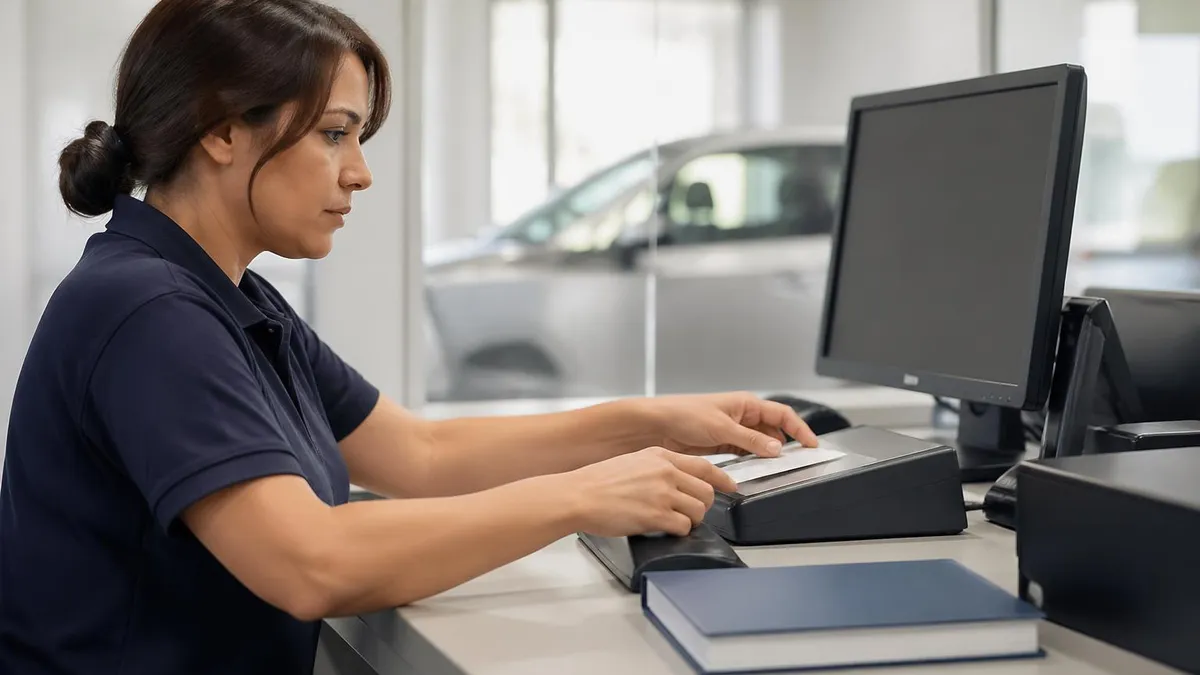
DMV Permit Test: Study Tips, Practice Questions, and State Requirements
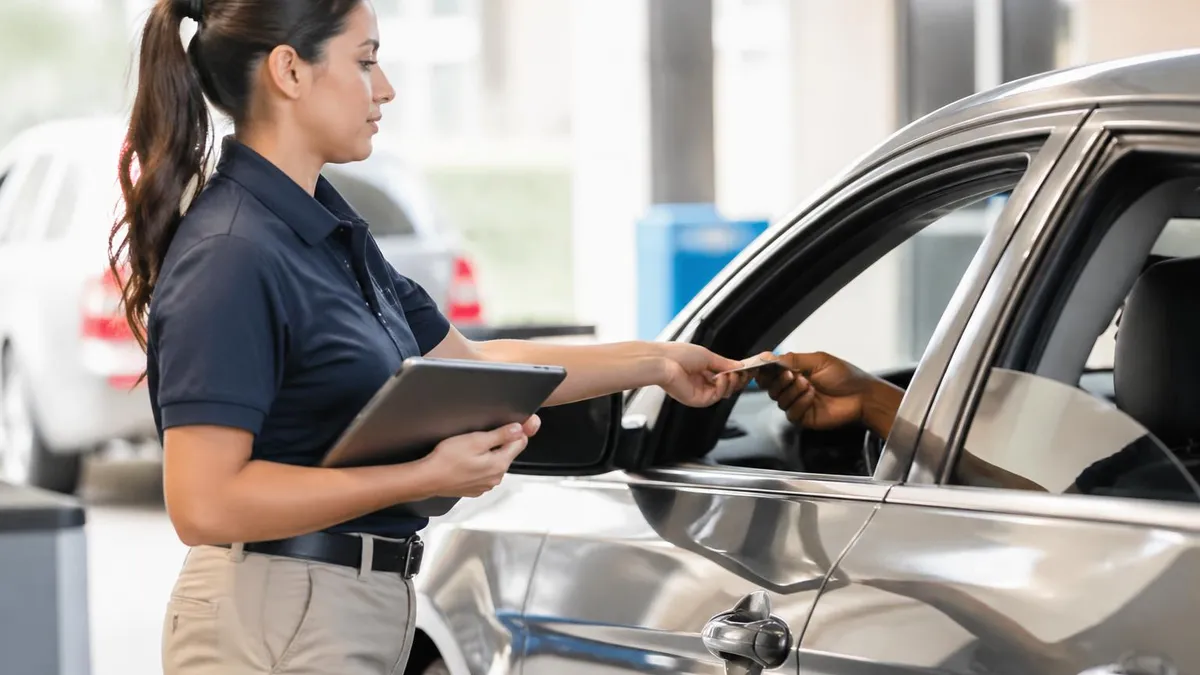
Guide Signs, CDL Study Guide & DMV Complete Guide for 2026
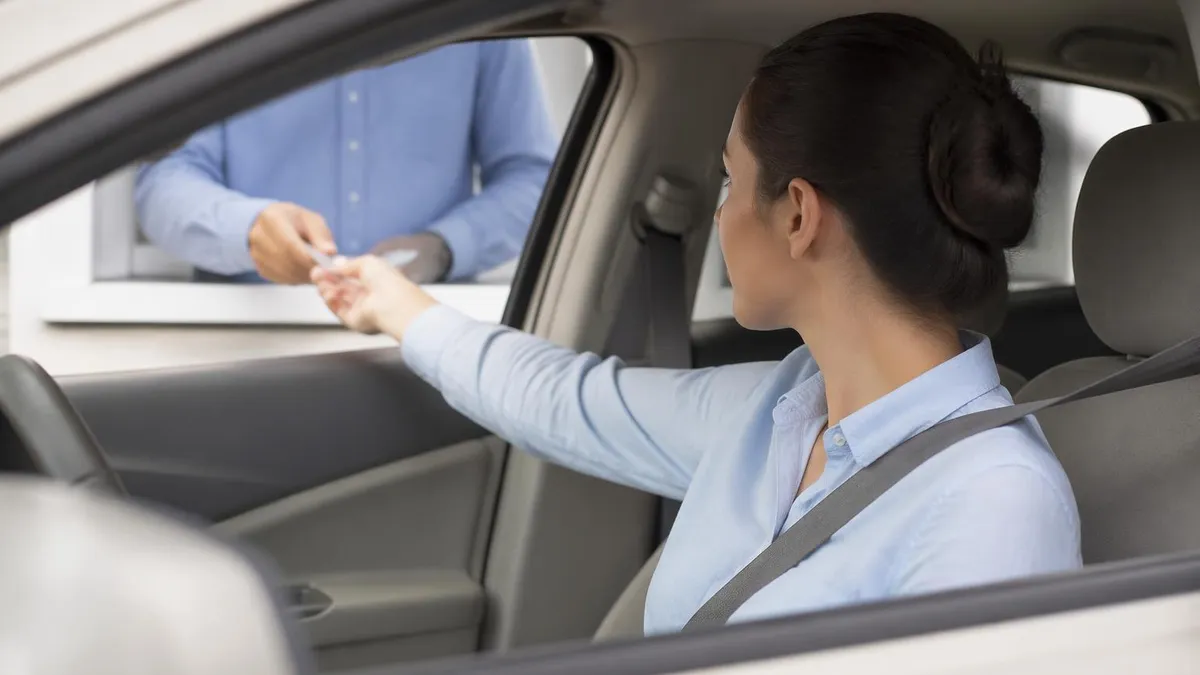
Driver Training Programs: Find Schools Near You and Free CDL Options

DMV Appointment Guide: How to Schedule Your Visit in Every State
About the Author

Licensed Driving Instructor & DMV Test Specialist
Penn State UniversityRobert J. Williams graduated from Penn State University with a degree in Transportation Management and has spent 20 years as a certified driving instructor and DMV examiner consultant. He has personally coached thousands of applicants through written knowledge tests, skills assessments, and commercial driver licensing programs across more than 30 states.
Join the Discussion
Connect with other students preparing for this exam. Share tips, ask questions, and get advice from people who have been there.
View discussion (9 replies)