
CVA - Certified Veterinary Assistant: Career Paths, Salary, and Requirements 2026 October
Pass your CVA exam on the first attempt. Practice questions with detailed answer explanations, hints, and instant scoring. 💡
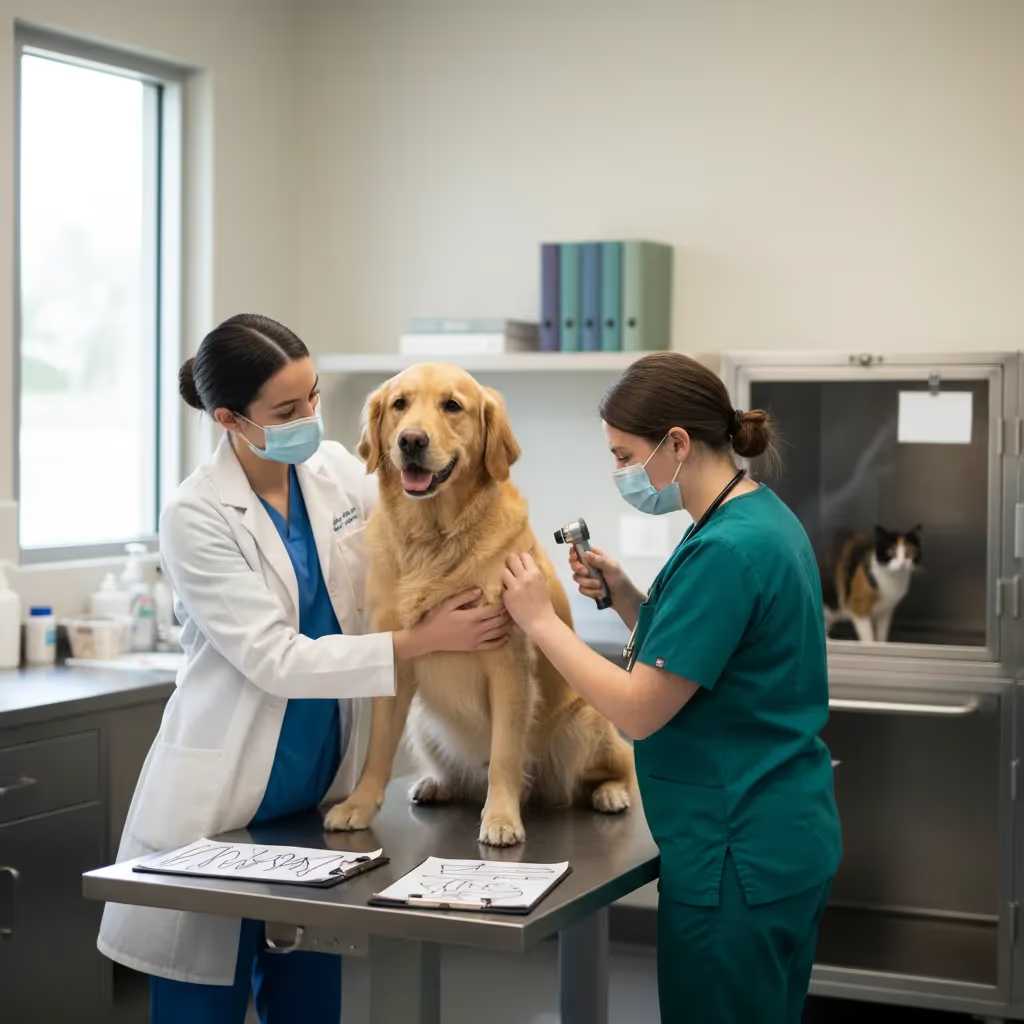
CVA Career Overview
Professionals holding the CVA - Certified Veterinary Assistant certification are in demand across multiple industries. The certification demonstrates validated expertise and commitment to professional development, making certified individuals more competitive in the job market.
Whether you are starting your career or looking to advance, the CVA certification provides a recognized credential that employers value. Begin your journey with free CVA practice tests to understand the knowledge areas covered by the certification.
Industry Demand
The demand for CVA-certified professionals continues to grow as organizations increasingly require validated expertise. Key factors driving demand include:
- Regulatory compliance — Many industries require certified professionals to meet compliance standards
- Quality assurance — Organizations use certifications as a benchmark for hiring qualified candidates
- Professional standards — The certification ensures a consistent level of competency across the profession
- Competitive advantage — Certified professionals stand out in a competitive job market
CVA Salary and Compensation
Salary for CVA-certified professionals varies based on experience, location, industry, and specialization. Here is a general overview of compensation levels:
| Experience Level | Salary Range (Annual) | Key Factors |
|---|---|---|
| Entry Level (0-2 years) | $45,000 - $65,000 | Location, industry, education |
| Mid-Career (3-5 years) | $60,000 - $85,000 | Specialization, additional certifications |
| Senior (6-10 years) | $80,000 - $110,000 | Leadership roles, niche expertise |
| Expert (10+ years) | $100,000 - $140,000+ | Consulting, management, training |
Note: Salary ranges are approximate and vary significantly by geographic region, employer size, and industry sector. Major metropolitan areas typically offer 15-25% higher compensation.

CVA Requirements and Prerequisites
Meeting the requirements for the CVA - Certified Veterinary Assistant certification involves several steps. Here is what you need to get started:
Education Requirements
- Minimum education — Requirements vary by certification level; check the official certifying body for specific educational prerequisites
- Relevant coursework — Courses in the subject area strengthen your application and exam preparation
- Continuing education — Most certifications require ongoing learning credits for renewal
Experience Requirements
- Work experience — Some certification levels require documented professional experience in the field
- Supervised practice — Certain certifications mandate supervised work hours or mentorship
- Portfolio or documentation — Be prepared to verify your experience through employer references or work samples
Exam Preparation
Once you meet the prerequisites, focus on exam preparation using official study guides and CVA Veterinary Medical Terminology & Anatomy and CVA Veterinary Practice & Nursing Care. Consistent practice with exam-style questions is one of the most effective preparation methods.
CVA Career Advancement Paths
The CVA certification serves as a foundation for multiple career trajectories. Here are common advancement paths:
- Specialist Track — Deepen expertise in a specific area, pursue advanced certifications, become a subject matter expert
- Management Track — Move into team leadership, department management, and executive roles
- Consulting Track — Use certification and experience to provide independent consulting services
- Education Track — Transition into training, curriculum development, or academic roles
- Entrepreneurship — Start your own practice or firm using the credibility your certification provides
Continuing Professional Development
Maintaining your certification and advancing your career requires ongoing investment in professional development. Stay current with industry trends, pursue additional certifications, attend conferences, and build your professional network. Use free CVA practice tests regularly to keep your knowledge sharp.
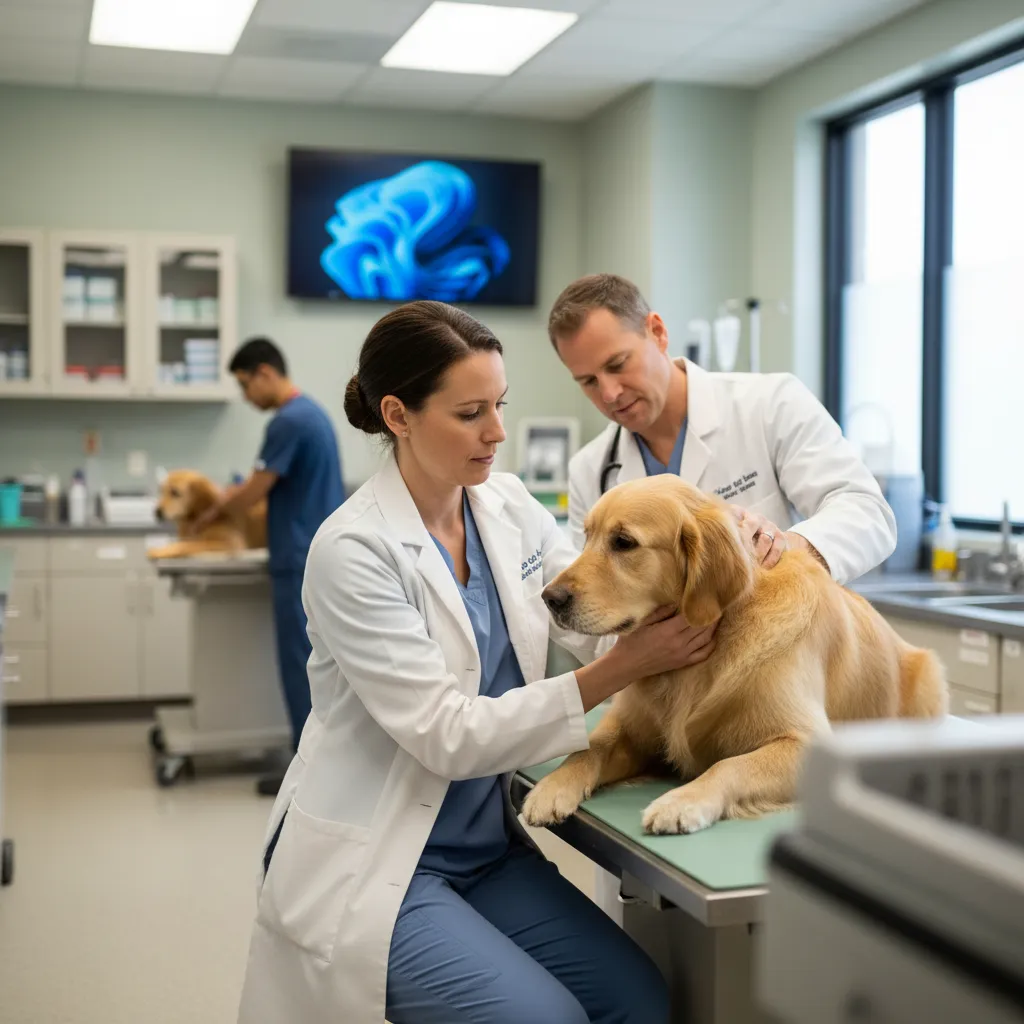
CVA Pros and Cons
- +CVA salary data provides benchmarks that help professionals negotiate compensation and evaluate job offers objectively
- +Understanding salary ranges by experience level helps professionals plan career progression and timing of role changes
- +Geographic salary variation data helps candidates evaluate relocation decisions with accurate financial context
- +Specialty or certification premiums within the field provide clear ROI data for professional development investments
- +Published salary data creates transparency that reduces information asymmetry in compensation negotiations
- −Published salary averages may not reflect local market conditions — cost of living differences make national averages misleading in high-cost cities
- −Salary surveys may be based on self-reported data from non-representative samples, potentially skewing results
- −Entry-level salary data is often less accurate than mid-career data, as entry-level roles vary widely in scope and title
- −Benefits, bonuses, and total compensation can vary as much as base salary, making base salary comparisons incomplete
- −Salary data ages quickly in high-demand fields — reports more than 1–2 years old may significantly understate current market rates
Sample Certified Veterinary Assistant Practice Questions
Try these questions from our free Certified Veterinary Assistant practice tests. The correct answer and an explanation follow each question.
When dispensing a controlled substance, such as a potent opioid analgesic, what is a critical legal requirement that must be meticulously documented?
- A. The time of day the prescription was filled.
- B. A detailed, running log of the date, client, patient, and exact quantity dispensed.
- C. The pet's color and breed.
- D. The name of the CVA who counted the pills.
Answer: B. A detailed, running log of the date, client, patient, and exact quantity dispensed.
The Drug Enforcement Administration (DEA) requires that a precise, continually updated log be kept for all controlled substances. This log must accurately track every dose dispensed or administered, including the date, client/patient information, and the running balance to prevent illegal diversion.
What is the purpose of calculating a patient's Resting Energy Requirement (RER)?
- A. To determine the pet's ideal body weight only
- B. To estimate baseline caloric needs for vital functions at rest
- C. To calculate the maximum amount of treats allowed
- D. To determine protein percentage in the diet
Answer: B. To estimate baseline caloric needs for vital functions at rest
RER estimates the calories needed to maintain basic physiologic functions at rest and serves as the basis for calculating actual energy requirements.
Which of the following is a legal requirement that MUST be included on the dispensing label of a medication prescribed for an animal?
- A. The pet's breed and color
- B. The name, address, and phone number of the dispensing clinic
- C. The phone number of the nearest emergency clinic
- D. The cost of the medication
Answer: B. The name, address, and phone number of the dispensing clinic
Federal and state laws require that a prescription label includes the name, address, and telephone number of the veterinarian or clinic that is prescribing and dispensing the drug, along with other key information like patient/client name, drug name, and directions.
Which of the following is an essential requirement for a valid Veterinarian-Client-Patient Relationship (VCPR) to exist, as defined by the AVMA?
- A. The veterinarian has assumed responsibility for the patient's care, and the client has agreed to follow instructions, after the veterinarian has recently examined the animal.
- B. The client has called the clinic and described the pet's symptoms over the phone to a staff member.
- C. The pet was seen at the clinic by a different veterinarian over three years ago for a minor issue.
- D. The client has paid their bill in full for all previous visits.
Answer: A. The veterinarian has assumed responsibility for the patient's care, and the client has agreed to follow instructions, after the veterinarian has recently examined the animal.
A VCPR is the legal and ethical foundation for veterinary care. It requires that the veterinarian has sufficient knowledge of the animal to make a preliminary diagnosis, which is typically gained through a physical examination. The veterinarian must also assume responsibility for the patient's care, and the client must agree to follow instructions.
CVA Questions and Answers

About the Author

Veterinarian & Veterinary Technician Exam Specialist
Cornell University College of Veterinary MedicineDr. James Whitfield is a licensed veterinarian with a DVM and PhD from Cornell University College of Veterinary Medicine. He has 16 years of mixed-practice experience and has taught veterinary technician licensing courses at three accredited institutions. He specializes in VTNE preparation, veterinary clinical skills, and animal science certification pathways.
Join the Discussion
Connect with other students preparing for this exam. Share tips, ask questions, and get advice from people who have been there.
View discussion (8 replies)