

CVA Practice Test
Updated for October 2026The Certified Veterinary Acupuncturist (CVA) certification is essential for veterinary professionals aiming to provide acupuncture as a form of treatment. Acupuncture for animals is increasingly recognized in veterinary care, enhancing animals' quality of life and managing various health conditions. This comprehensive guide covers the critical aspects of the CVA certification process, from exam preparation to guidelines and assessment details.
CVA Practice Test Questions
Prepare for the CVA - Certified Veterinary Acupuncturist exam with our free practice test modules. Each quiz covers key topics to help you pass on your first try.
CVA Pharmacology & Herbal Medicine Integra...
CVA Exam Questions covering CVA Pharmacology & Herbal Medicine Integration. Master CVA Test concepts for certification prep.
CVA Point Location & Meridian Systems
Free CVA Practice Test featuring CVA Point Location & Meridian Systems. Improve your CVA Exam score with mock test prep.
CVA Traditional Chinese Medicine Theory & ...
CVA Mock Exam on CVA Traditional Chinese Medicine Theory & Principles. CVA Study Guide questions to pass on your first try.
CVA Documentation Standards
CVA Test Prep for Documentation Standards. Practice CVA Quiz questions and boost your score.
CVA Ethics and Confidentiality
CVA Questions and Answers on Ethics and Confidentiality. Free CVA practice for exam readiness.
CVA Health Promotion
CVA Mock Test covering Health Promotion. Online CVA Test practice with instant feedback.
CVA Infection Prevention
Free CVA Quiz on Infection Prevention. CVA Exam prep questions with detailed explanations.
CVA Interdisciplinary Care
CVA Practice Questions for Interdisciplinary Care. Build confidence for your CVA certification exam.
CVA Neurophysiology & Mechanisms of Acupun...
CVA Test Online for Neurophysiology & Mechanisms of Acupuncture Action. Free practice with instant results and feedback.
CVA Patient Assessment
CVA Study Material on Patient Assessment. Prepare effectively with real exam-style questions.
CVA Quality Improvement
Free CVA Test covering Quality Improvement. Practice and track your CVA exam readiness.
CVA Treatment Protocols
CVA Exam Questions covering Treatment Protocols. Master CVA Test concepts for certification prep.
CVA Acupuncture Techniques & Methods
Free CVA Practice Test featuring Acupuncture Techniques & Methods. Improve your CVA Exam score with mock test prep.
CVA Diagnosis & Treatment Protocols
CVA Mock Exam on Diagnosis & Treatment Protocols. CVA Study Guide questions to pass on your first try.
Key Takeaways
Free CVA Practice Test Online
- Preparation: Preparing for the CVA exam involves in-depth study and hands-on practice.
- Certification Process: A licensed veterinarian can gain CVA certification by completing required coursework, clinical training, and passing the CVA test.
- Career Advancement: CVA certification enables veterinarians to offer acupuncture treatments, providing alternative care options and improving patient outcomes.
- Continued Learning: Certified Veterinary Acupuncturists must pursue ongoing education to keep their skills and knowledge up to date.
CVA Certification: An Overview
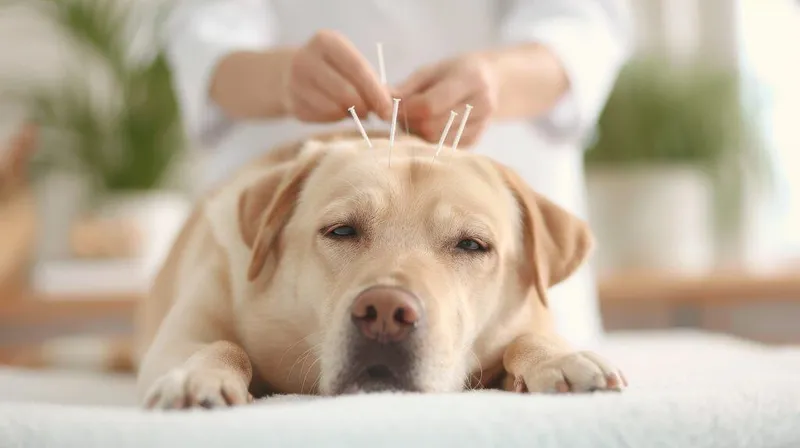
The Certified Veterinary Acupuncturist (CVA) certification is designed for licensed veterinarians who wish to expand their skills in acupuncture. This certification validates a veterinarian’s proficiency in acupuncture techniques and knowledge of traditional Chinese medicine (TCM) theories. Gaining CVA certification can lead to career advancement opportunities and the ability to offer alternative treatments in animal healthcare.
Key Benefits of CVA Certification:
- Recognizes expertise in veterinary acupuncture
- Enhances skills in traditional and holistic veterinary medicine
- Improves patient outcomes and client satisfaction
- Expands career opportunities in integrative and alternative veterinary practices
Preparing for the CVA Practice Exam
Preparing for the CVA test requires a solid study plan and knowledge of both acupuncture and TCM. A structured approach to studying can help candidates grasp the core concepts and effectively tackle exam questions.
Study Tips for the CVA Exam:
- Review Core TCM Concepts: Understanding the fundamental theories of traditional Chinese medicine is essential, as the CVA exam heavily emphasizes these principles.
- Practice Techniques: Since acupuncture requires precise techniques, it’s beneficial to practice the necessary skills under a mentor's guidance.
- Take Practice Exams: Mock exams provide insight into question formats and help candidates evaluate their knowledge.
CVA Exam Study Guide Essentials
To pass the CVA exam, candidates should follow a well-rounded study guide that covers all key areas required for certification.
Core Areas to Focus On:
- Meridian and Point Locations: Master the location and function of acupuncture points across various animal species.
- Treatment Plans and Techniques: Know how to devise treatment plans for common veterinary conditions.
- Herbal Medicine: Familiarize yourself with herbs often combined with acupuncture treatments for effective results.
- Safety Guidelines: Review safety protocols to ensure acupuncture practices are beneficial and risk-free for animals.
Additional Study Resources:
- Textbooks on TCM and Veterinary Acupuncture: Textbooks offer in-depth information and illustrations, ideal for reinforcing acupuncture points and techniques.
- Online Webinars and Workshops: Some professional organizations provide webinars and workshops tailored to CVA exam preparation.
- Veterinary Acupuncture Associations: Associations often share valuable study resources and tips for those preparing for the CVA exam.
Guidelines and Requirements for CVA Certification
To qualify for the CVA certification, candidates must meet specific educational and practical experience criteria. The certification process is generally overseen by reputable veterinary acupuncture organizations that ensure candidates have adequate training.
Basic Certification Requirements:
- Veterinary License: Applicants must be licensed veterinarians.
- Educational Hours: Completion of required coursework in TCM and acupuncture principles.
- Hands-on Training: Completion of clinical hours under an approved CVA mentor or through a recognized veterinary acupuncture institution.
Candidates must also pass the CVA exam, which assesses their understanding and application of acupuncture practices within veterinary settings.
Maintaining CVA Certification:
- Continuing Education: Regular continuing education is often required to maintain certification.
- Renewal Fees: Some certifying bodies require a renewal fee for continued recognition as a CVA.
Understanding the CVA Assessment Process
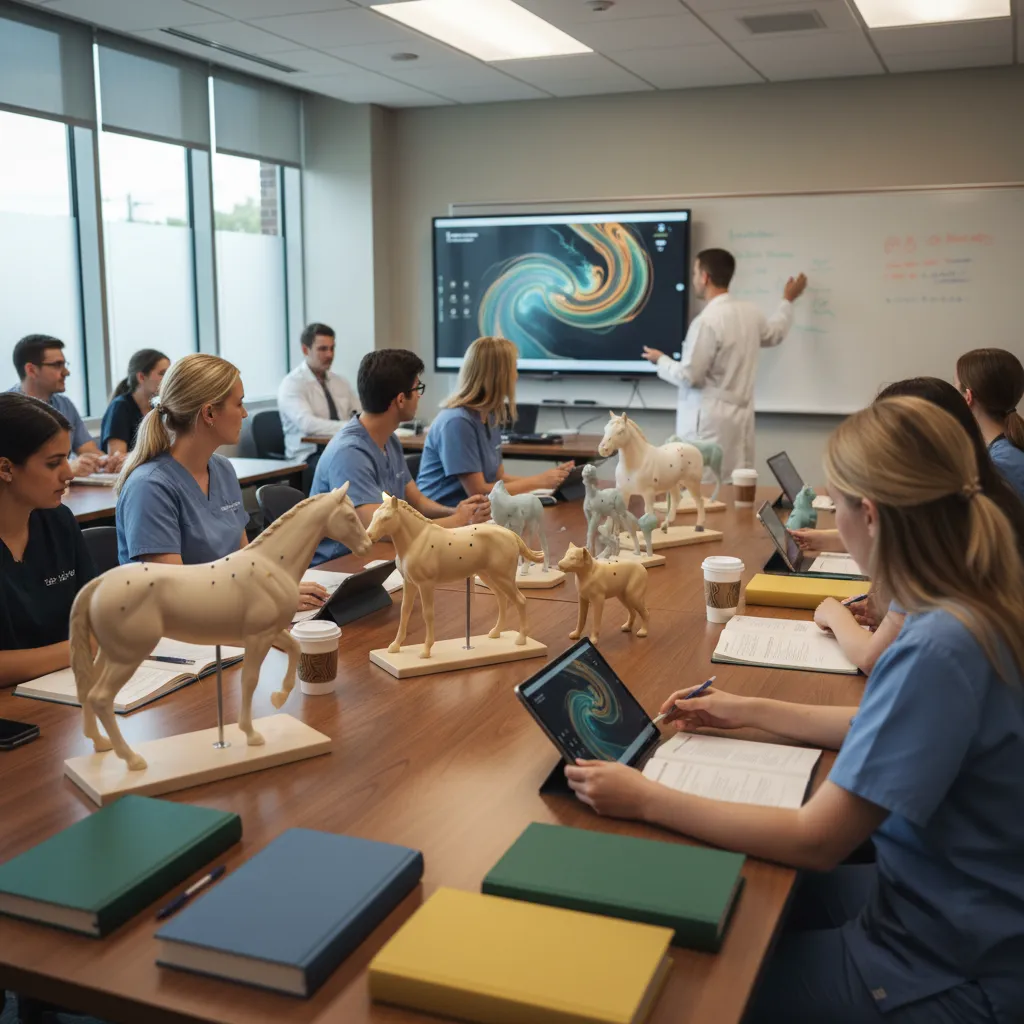
The CVA assessment involves a comprehensive test designed to evaluate a veterinarian's knowledge and technical abilities in acupuncture. The test includes both theoretical and practical components, which are necessary to ensure candidates are well-prepared to administer acupuncture treatments to animals safely.
Components of the CVA Exam:
- Written Exam: Assesses knowledge of acupuncture points, TCM theories, and safety protocols.
- Practical Evaluation: Requires candidates to demonstrate their skills in needle insertion, point location, and technique application on animals.
Conclusion
The Certified Veterinary Acupuncturist (CVA) certification represents a commitment to integrative veterinary medicine, allowing veterinarians to provide acupuncture treatments that enhance animals' well-being. By following a structured study plan, meeting certification requirements, and understanding the CVA exam components, veterinarians can successfully achieve CVA certification and expand their practice.
CVA: Pros and Cons
- +CVA certification validates expertise recognized by employers nationwide
- +Certified professionals typically earn 15-20% higher salaries
- +Opens doors to advanced positions and leadership roles
- +Demonstrates commitment to professional standards and ethics
- +Builds a strong professional network through certification communities
- −Exam preparation typically requires 2-4 months of dedicated study
- −Certification and exam fees can range from $150-$500+
- −Must complete continuing education to maintain active certification
- −Pass rates vary — thorough preparation is essential for success
- −Some certifications require prerequisite experience or education
(CVA) Certified Veterinary Acupuncturist Questions and Answers
About the Author

Veterinarian & Veterinary Technician Exam Specialist
Cornell University College of Veterinary MedicineDr. James Whitfield is a licensed veterinarian with a DVM and PhD from Cornell University College of Veterinary Medicine. He has 16 years of mixed-practice experience and has taught veterinary technician licensing courses at three accredited institutions. He specializes in VTNE preparation, veterinary clinical skills, and animal science certification pathways.
Join the Discussion
Connect with other students preparing for this exam. Share tips, ask questions, and get advice from people who have been there.
View discussion (7 replies)