
Cosmetology Test: Complete Study Guide 2026 October
Free Cosmetology practice test with questions and answer explanations. 🟢 Prepare for the 2026 October exam with instant scoring.
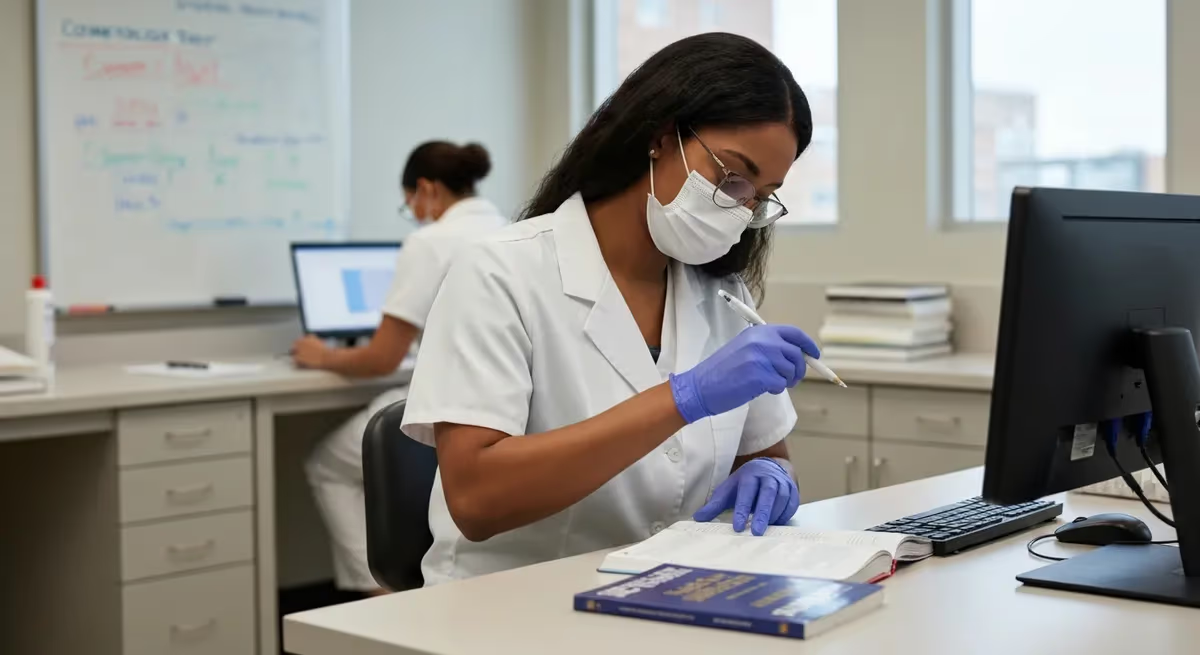
Cosmetology Test Exam Overview
The Cosmetology Test exam validates your knowledge and skills in the field. Understanding the exam format, duration, and passing requirements is the first step toward successful preparation.
Before diving into study materials, take a free Cosmetology Test practice tests to assess your current knowledge level. This baseline assessment helps you identify which topics need the most attention and creates a more efficient study plan.
| Exam Detail | Information |
|---|---|
| Exam Format | Multiple choice and scenario-based questions |
| Duration | Varies by certification level |
| Passing Score | Determined by the certifying body |
| Prerequisites | Check official requirements for your level |
| Recertification | Periodic renewal required |
Key Topics and Domains
Success on the Cosmetology Test exam requires thorough understanding of all tested domains. Focus your study time proportionally based on the weight each domain carries on the actual exam.
The exam covers both theoretical knowledge and practical application. Make sure you can not only recall facts but also apply concepts to real-world scenarios. Practice with FREE Cosmetology Review Questions and Answers and FREE Cosmetology Questions and Answers to test your understanding of these core topics.
Core Knowledge Areas
- Foundational Concepts — Understanding the fundamental principles, terminology, and frameworks that form the basis of the certification
- Practical Application — Applying theoretical knowledge to workplace scenarios, case studies, and problem-solving exercises
- Standards and Best Practices — Knowledge of industry standards, regulations, compliance requirements, and professional guidelines
- Analysis and Decision Making — Evaluating situations, interpreting data, and making informed professional decisions
- Professional Ethics — Understanding ethical considerations, professional responsibilities, and code of conduct requirements
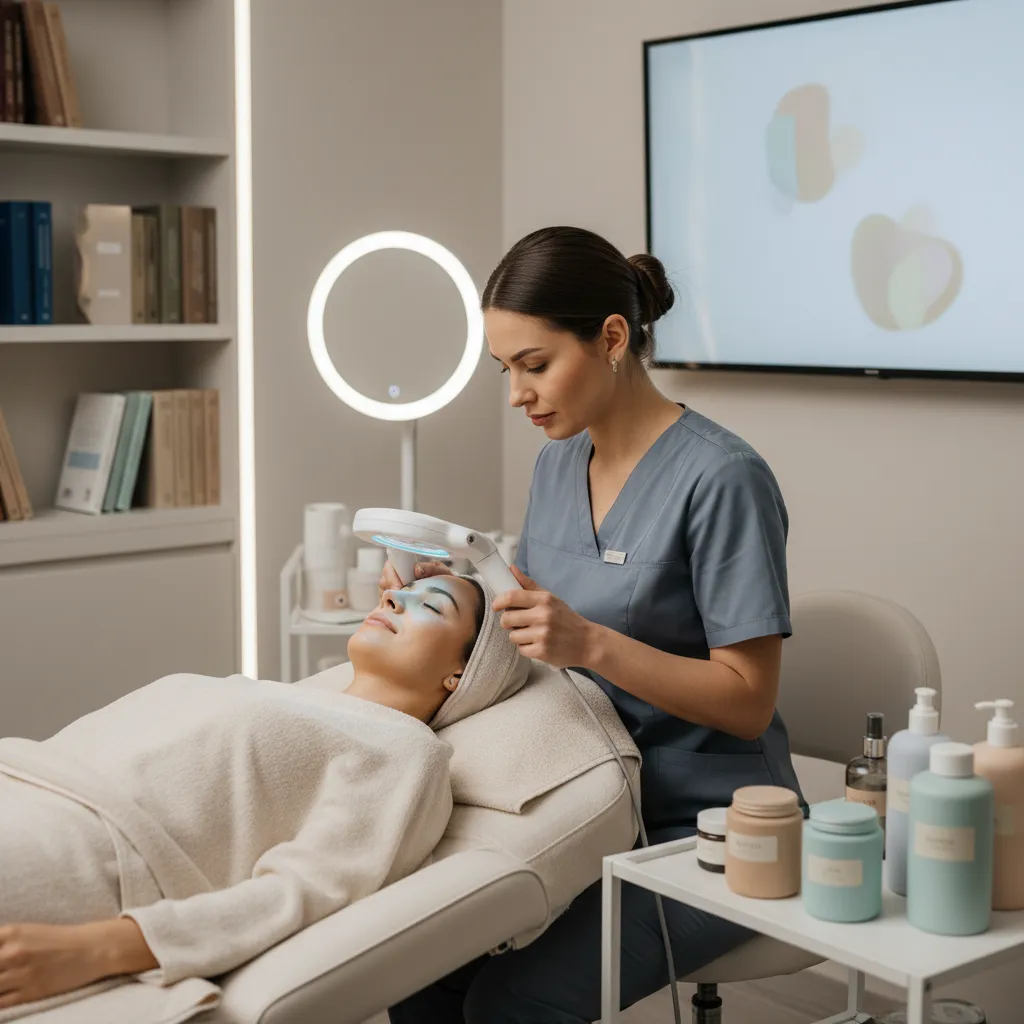
Cosmetology Test Study Plan and Timeline
A structured study plan significantly increases your chances of passing the Cosmetology Test exam on your first attempt. Here is a recommended timeline based on your experience level:
| Experience Level | Recommended Study Time | Daily Study Hours | Focus Areas |
|---|---|---|---|
| Beginner | 8-12 weeks | 2-3 hours | All domains equally, extra time on fundamentals |
| Intermediate | 4-8 weeks | 1.5-2 hours | Weak areas identified through practice tests |
| Experienced | 2-4 weeks | 1-2 hours | Practice exams and scenario-based questions |
Week-by-Week Approach
- Weeks 1-2: Take a diagnostic practice test, review all domain objectives, gather study materials
- Weeks 3-4: Deep study of the highest-weighted domains, daily flashcard review
- Weeks 5-6: Cover remaining domains, begin timed practice tests
- Weeks 7-8: Full-length practice exams, review weak areas, focus on question patterns
Proven Preparation Strategies
These evidence-based strategies will help you study more effectively for the Cosmetology Test certification:
- Active recall over passive reading — Test yourself frequently rather than re-reading notes. Practice tests are more effective than highlighting textbooks.
- Spaced repetition — Review material at increasing intervals (1 day, 3 days, 7 days, 14 days) to move knowledge into long-term memory.
- Focus on understanding, not memorization — The exam tests application of concepts. Understand why an answer is correct, not just what the answer is.
- Simulate exam conditions — Take practice tests in a quiet environment with the same time constraints as the actual exam.
- Join study groups — Discussing concepts with peers reinforces understanding and exposes you to different perspectives.
- Use official study materials — Start with the certifying body's recommended resources, then supplement with third-party materials.
- Track your progress — Keep a log of practice test scores to identify trends and weak areas that need additional review.
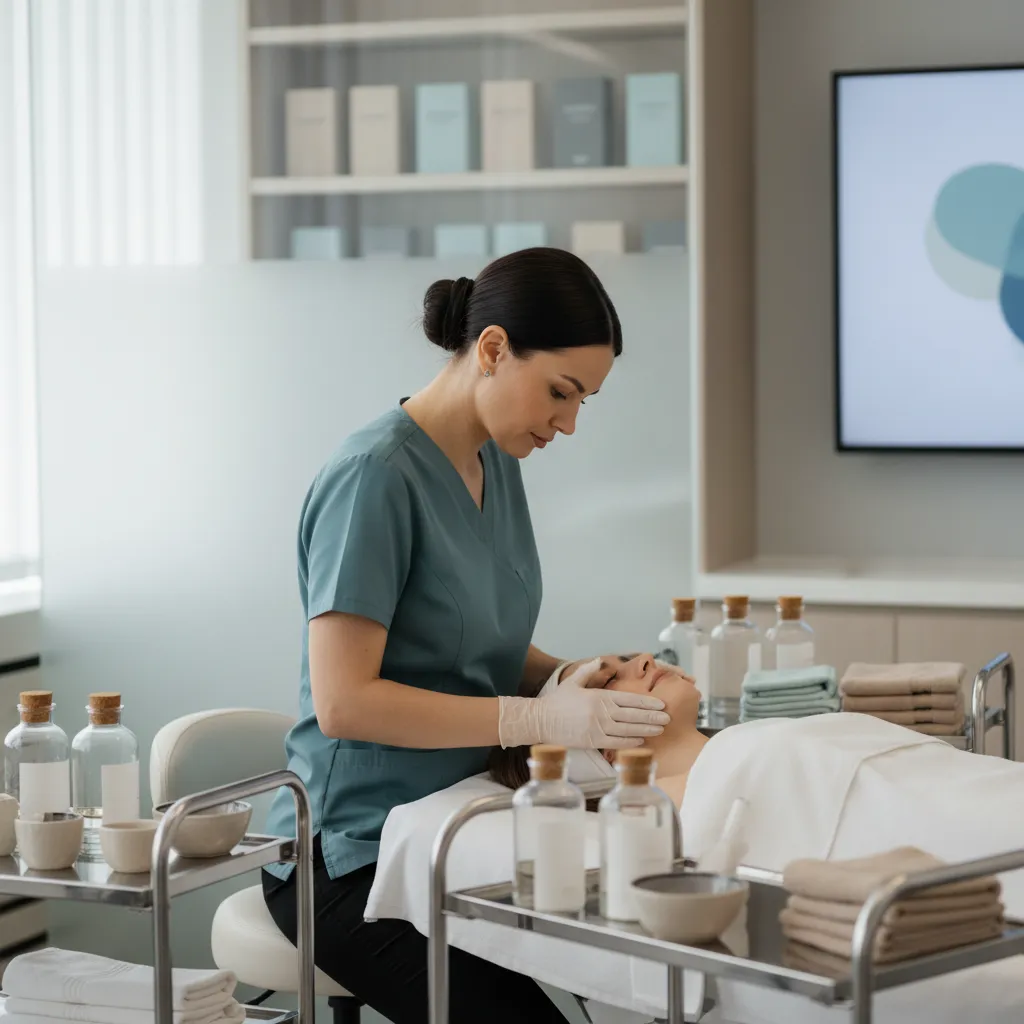
Cosmetology Test: Pros and Cons
- +Structured Cosmetology study guides organize all required content in exam-aligned order, reducing time spent identifying what to study
- +Combining review guides with practice questions provides both content knowledge and test-taking fluency
- +Focused study plans allow candidates to allocate more time to weak areas rather than reviewing already-mastered content
- +Free and low-cost study resources mean comprehensive preparation is accessible at any budget level
- +Spaced repetition techniques (Anki, regular review sessions) significantly improve long-term retention of tested facts
- −No single study guide covers all tested content optimally — most candidates need 2–3 resources for complete preparation
- −Study guides can become outdated quickly when exam content is updated; verify edition currency before purchasing
- −Self-study requires self-discipline; candidates without structured external accountability often underallocate preparation time
- −Coverage breadth in comprehensive guides can create false confidence — recognizing content is not the same as answering questions correctly under timed conditions
- −Study time estimates in guides often assume ideal conditions; real preparation time is typically 30–50% longer due to life disruptions
Sample Cosmetology Test Practice Questions
Try these questions from our free Cosmetology Test practice tests. The correct answer and an explanation follow each question.
What is a 'traveling guide' (also called a moving guide) used for in haircutting?
- A. It stays in one place and all hair is brought to that single reference point
- B. It moves with each new section, maintaining a consistent length progression for layers
- C. It is a guideline cut at the nape before any other sections are cut
- D. It is used only for zero-elevation blunt perimeter cuts
Answer: B. It moves with each new section, maintaining a consistent length progression for layers
A traveling guide moves forward or upward with each new subsection, carrying the previously cut hair as the guide to create consistent, progressive layering.
Before applying a new hair color formula to a client for the first time, a stylist conducts a preliminary strand test. What is the MOST important information gathered from this test?
- A. The client's natural hair level
- B. The client's sensitivity or allergy to the product
- C. The final color result and the required processing time
- D. The total cost of the service
Answer: C. The final color result and the required processing time
A preliminary strand test is crucial for determining how the hair will react to the color formula. It allows the stylist to see the exact color outcome on that specific client's hair and determine the precise processing time needed to achieve the desired result. This helps avoid unexpected color results and potential over-processing. While a patch test is used for allergies and hair analysis determines the natural level, the strand test is specifically for previewing the color result and timing.
If a patch test (allergy test) shows redness and swelling 24–48 hours after application, the cosmetologist should:
- A. Proceed with service but monitor the client closely
- B. Dilute the color with extra developer and proceed
- C. Refuse to perform the service and refer client to a physician
- D. Perform the service using a different brand of color
Answer: C. Refuse to perform the service and refer client to a physician
A positive patch test indicating allergy means the client could have a severe anaphylactic reaction; the service must be refused and the client referred to a doctor.
Which one of these is not a cosmetology specialty?
- A. Shampoo technician
- B. Aesthetician
- C. Hair coloring
- D. Shoe making
Answer: D. Shoe making
Cosmetology encompasses the art and science of beautifying the hair, skin, and nails. Specialties within this field include shampoo technicians, aestheticians (skin care specialists), and hair coloring. Shoe making, however, is a craft focused on footwear production and is entirely unrelated to personal grooming and beauty services, thus not a cosmetology specialty.
Cosmetology Test Questions and Answers

About the Author
Licensed Cosmetologist & Beauty Licensing Exam Specialist
Paul Mitchell SchoolsMichelle Santos is a licensed cosmetologist with a Bachelor of Science in Esthetics and Salon Management from Paul Mitchell School. She has 16 years of salon industry experience and 8 years preparing students for state cosmetology board exams in theory, practical skills, and sanitation. She specializes in licensure preparation for cosmetologists, estheticians, and nail technicians.
Join the Discussion
Connect with other students preparing for this exam. Share tips, ask questions, and get advice from people who have been there.
View discussion (6 replies)