
CNA Job Duties: What a Certified Nursing Assistant Actually Does Every Shift
🎓 Prepare for the CNA Job Duties: What a Certified certification. Practice questions with answer explanations covering all exam domains.

Understanding CNA job duties and certified nursing assistant responsibilities matters whether you're considering a career change or already enrolled in training. A certified nursing assistant handles direct patient care — the kind of work that keeps hospitals and nursing homes running. You'll take vitals, help patients eat, bathe, and move safely. It's physically demanding. It's also one of the fastest entry points into healthcare.
Certification for nursing assistants typically takes 4 to 12 weeks depending on your state's requirements. Some programs run even shorter. Once certified, you're eligible to work in hospitals, skilled nursing facilities, home health agencies, and assisted living communities. The florida board of nursing license lookup tool lets you verify credentials if you're planning to work in that state — every state maintains a similar registry.
What draws most people to this role isn't the pay (though it's decent). It's the patient contact. CNAs spend more face time with patients than any other member of the care team. You're the one who notices when something's off — a change in skin color, a shift in mood, a refusal to eat. Those observations save lives. This guide breaks down every major duty, compares work settings, and maps out where the career goes from here.

A certified nursing assistant works under the supervision of registered nurses and licensed practical nurses. That supervision structure is important — it defines what you can and can't do. You'll handle ADLs (activities of daily living), take vitals, document care, and report changes. You won't administer medications or start IVs. Those boundaries exist for patient safety, and crossing them can cost you your certification.
If you hold a certified nursing aide license, your scope of practice follows your state's Nurse Practice Act. Some states allow CNAs to perform blood glucose checks or apply non-sterile dressings. Others don't. Always check your state board's rules before accepting duties beyond basic care. Looking for open positions? Explore certified nursing assistant jobs in hospital settings — they typically pay more and offer broader clinical exposure.
Daily work revolves around a patient assignment. You might have 6 to 10 patients per shift in a nursing home, or 4 to 8 in a hospital. Each patient needs vitals checked, meals served, hygiene assistance, repositioning, and documentation. The rhythm is consistent but the pace varies wildly by setting. Expect to walk 4 to 6 miles per shift — comfortable shoes aren't optional, they're survival gear. Compression socks help too, especially on 12-hour shifts where your feet barely get a break.
Before you start working in any state, you'll want to understand how nursing license florida search tools and verification databases function. Every state maintains a Nurse Aide Registry where certified CNAs are listed. Employers check this registry before hiring you — no listing means no job. The online certified nursing assistant training route has become increasingly popular, especially for the classroom portion of programs.
The florida board of nursing license lookup system is one of the most commonly searched verification tools in the country because Florida employs a massive CNA workforce. California, Texas, and New York operate similar systems. If you're considering reciprocity — transferring your CNA credentials to another state — start the verification process early. Some states process reciprocity applications in days. Others take weeks.
Clinical skills matter more than paperwork once you're on the floor. Taking accurate blood pressure readings, performing proper hand hygiene, using mechanical lifts for transfers, and documenting intake and output — these skills define your competency. Patients rely on your attention to detail. A blood pressure reading that's off by 20 points could mask a medical emergency. Practice until accuracy becomes automatic, not something you have to think about. Your patients are counting on it, and so is the entire care team.
CNA Duty Breakdown by Task Type
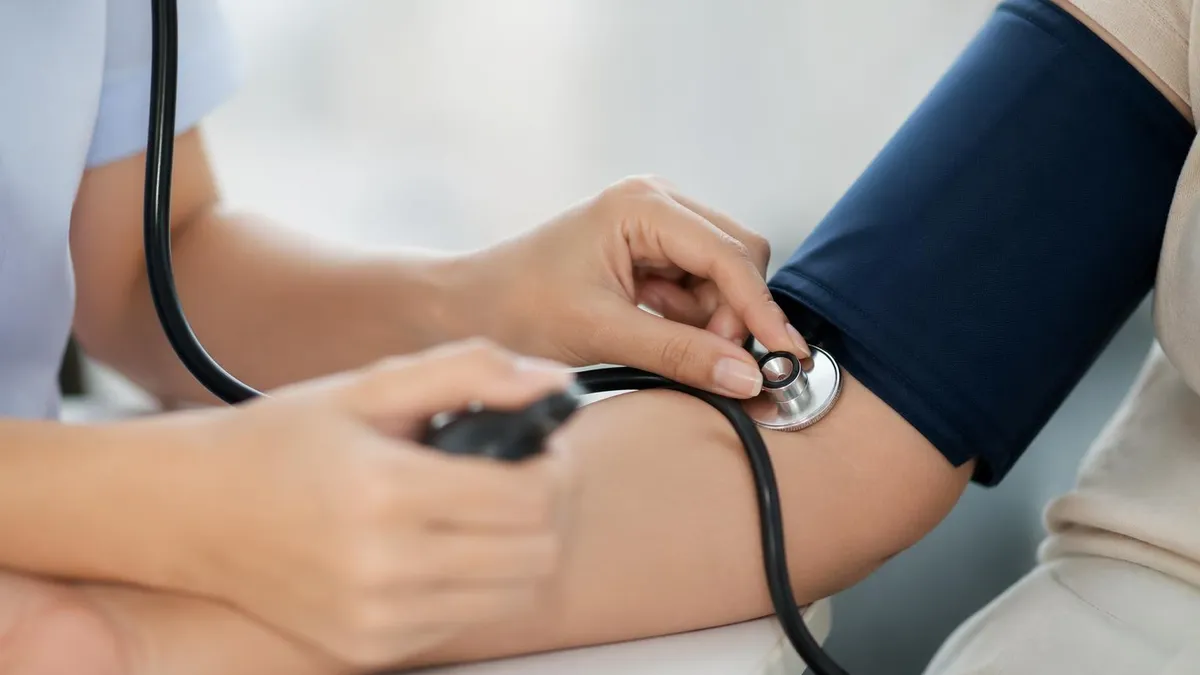
Taking and recording vital signs is one of the most critical CNA duties. You'll measure blood pressure, pulse, respiratory rate, temperature, and oxygen saturation every shift — sometimes hourly for acute patients. Accuracy matters enormously. A missed spike in blood pressure or a downward trend in SpO2 could signal a life-threatening change. CNAs who catch these early earn the trust of their nursing team fast.
Certified nursing assistant jobs in hospitals differ significantly from long-term care positions. Hospital CNAs deal with faster patient turnover, higher acuity, and more complex medical situations. Nursing license verification requirements may also differ between states — some hospitals require additional certifications like BLS (Basic Life Support) beyond standard CNA credentials.
The job market for CNAs remains strong across nearly every state. Healthcare facilities struggle to fill positions, which means you'll have options. Night shifts and weekend shifts often pay $1 to $4 more per hour through shift differentials. Some CNAs strategically work only weekends — fewer days, premium pay, and weekdays free. It's a smart move if your schedule allows it.
One thing certification programs don't always prepare you for: emotional labor. You'll care for patients who are scared, confused, angry, or dying. The emotional weight is real. Experienced CNAs develop coping strategies — peer support, journaling, maintaining boundaries between work and personal life. Don't underestimate this part of the job. It's as real as the physical demands.
If you're exploring online certified nursing assistant training options, start by checking your state board's approved program list. Not every online program qualifies. The classroom hours can often be completed remotely, but clinical hours — the hands-on portion — must be done in person at an approved facility. California state nursing license verification requires that your training program meets specific hour thresholds, which vary from the federal minimum of 75 hours.
States like California, Florida, and Texas have the highest demand for CNAs. California state nursing license verification processes can take several weeks, so plan ahead if you're relocating. Some employers offer tuition reimbursement or free CNA training in exchange for a work commitment — typically 6 to 12 months. That's a solid deal if you don't want to pay out of pocket for training.
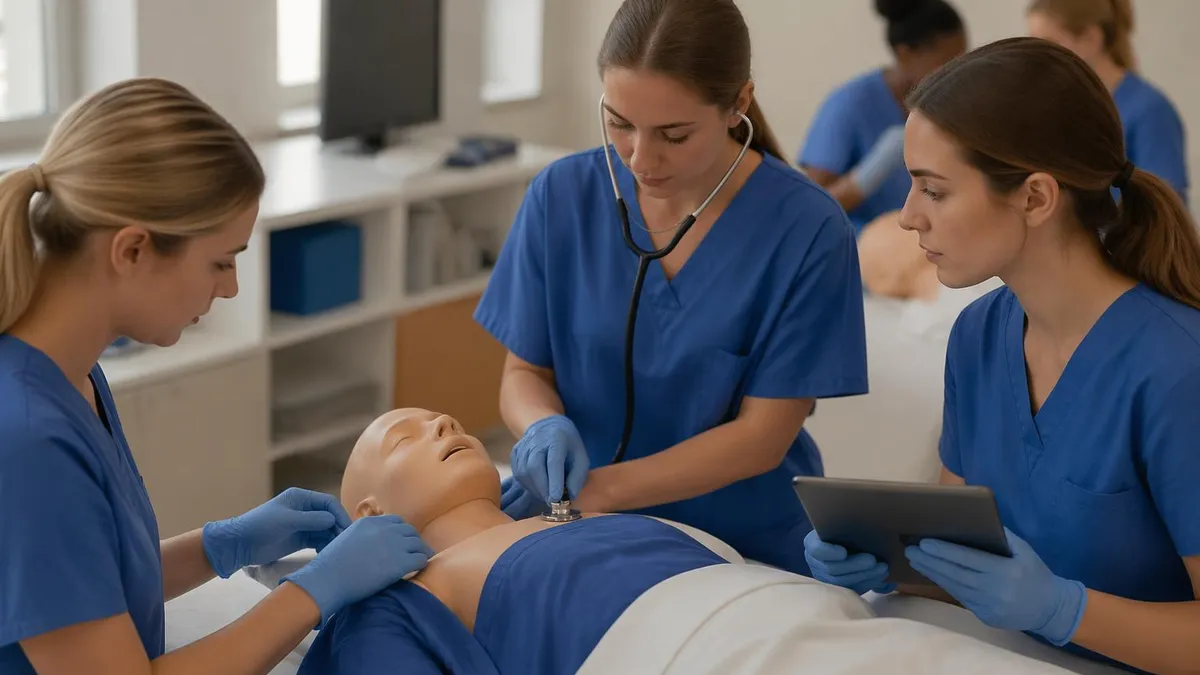
Hands-on clinical hours are where everything clicks. You'll practice taking blood pressure on real patients, assist with actual transfers, and document care in real EHR systems. The classroom teaches you theory. Clinicals teach you how to stay calm when a patient falls, when alarms start beeping, when three people need help at the same time. That pressure is the best teacher you'll have.
Hospital CNA vs. Nursing Home CNA
- +Higher pay averaging $19.80/hr with night and weekend differentials
- +Exposure to diverse clinical conditions — surgical, ICU, ER, oncology
- +Faster skill development from high-acuity patient care
- +Better career advancement into specialized roles like ER tech
- +Access to hospital education programs and tuition assistance
- +Stronger resume builder for nursing school applications
- −Consistent patient assignments build deeper care relationships
- −More predictable daily routines with lower stress levels
- −Better work-life balance with more scheduling flexibility
- −Ideal entry point for building confidence before acute care
- −Less physical intensity per shift compared to hospital units
- −Stronger community bonds with residents and their families
Let's talk money. The certified nurses assistant salary ranges from about $13/hr for entry-level positions in low-cost states to over $25/hr in high-demand metro areas. California, Massachusetts, and Alaska consistently top the pay charts. Certified nursing assistant jobs hospital settings offer the best compensation — averaging $19.80/hr nationally — because hospitals need coverage around the clock and patient acuity demands higher skill levels.
Shift differentials add $1 to $4/hr for evenings, nights, and weekends. Some facilities offer holiday pay at time-and-a-half. PRN (as-needed) CNAs often earn $2 to $5 more per hour than full-time staff because they sacrifice benefits for flexibility. Travel CNA positions can push hourly rates to $25 to $35/hr, plus housing stipends. The trade-off? You'll relocate every 8 to 13 weeks.
Benefits vary dramatically by employer. Hospitals tend to offer health insurance, retirement plans, and tuition reimbursement. Small nursing homes might offer minimal benefits. When comparing job offers, look beyond the hourly rate. A position paying $17/hr with full benefits may actually be worth more than one paying $20/hr with nothing. Factor in the whole compensation package before deciding. Ask about tuition reimbursement specifically — that benefit alone can be worth $3,000 to $5,000 per year if you're planning to advance into nursing school.
CNA Certification Preparation Checklist
- ✓Research your state's approved CNA training programs and hour requirements
- ✓Complete the required classroom hours (75-175 depending on state)
- ✓Finish all supervised clinical rotation hours at an approved facility
- ✓Practice the five most commonly tested skills: hand washing, vitals, transfers, positioning, and catheter care
- ✓Schedule your written knowledge exam through Prometric or Pearson VUE
- ✓Schedule your clinical skills demonstration exam
- ✓Obtain BLS/CPR certification (required by most employers)
- ✓Complete a background check and drug screening
- ✓Submit your application to the state Nurse Aide Registry
- ✓Verify your listing on the registry before applying for jobs
Understanding assistant in nursing pay rates helps you negotiate your first position confidently. Entry-level CNAs sometimes accept the first offer without negotiating — that's a mistake. Even $0.50/hr more adds up to over $1,000 per year. Research local rates on job boards, ask classmates what they're being offered, and don't be afraid to counter. Facilities need you badly right now — staffing shortages across the country mean employers are competing for qualified CNAs. Use that leverage to get the rate you deserve.
A prn nursing position gives you ultimate flexibility. PRN stands for "pro re nata" — as needed. You pick up shifts when they're available, skip weeks when you need time off, and often earn a higher hourly rate to compensate for the lack of guaranteed hours. It's perfect for nursing students, parents with unpredictable schedules, or CNAs who want to try multiple facilities before committing.
Overtime is common in CNA work. Short staffing means extra shifts are almost always available. Some CNAs rely on overtime to boost their income by 20% to 40%. But burnout is real. Working 60-hour weeks catches up with you — fatigue leads to mistakes, mistakes lead to injuries (yours and your patients'). Set boundaries. Your health matters as much as your paycheck. A tired CNA makes mistakes that a rested CNA doesn't — and those mistakes affect real people who depend on you.
Searching for certified nursing assistant classes near me is how most people start their CNA journey. Community colleges, vocational schools, Red Cross chapters, and even some nursing homes offer state-approved programs. Costs range from free (employer-sponsored) to $2,000+ at private schools. The wisconsin nursing license lookup system and similar tools in every state let you verify that a program's graduates are actually getting listed on the registry — a quick way to check program quality.
Free CNA programs deserve special attention. Many nursing homes offer free training in exchange for a 6 to 12 month work commitment after certification. Goodwill and workforce development programs in some states also cover tuition. If money is the barrier keeping you from starting, these programs eliminate it entirely. The trade-off is usually a work commitment — but you'd be working as a CNA anyway, so it's rarely a bad deal.
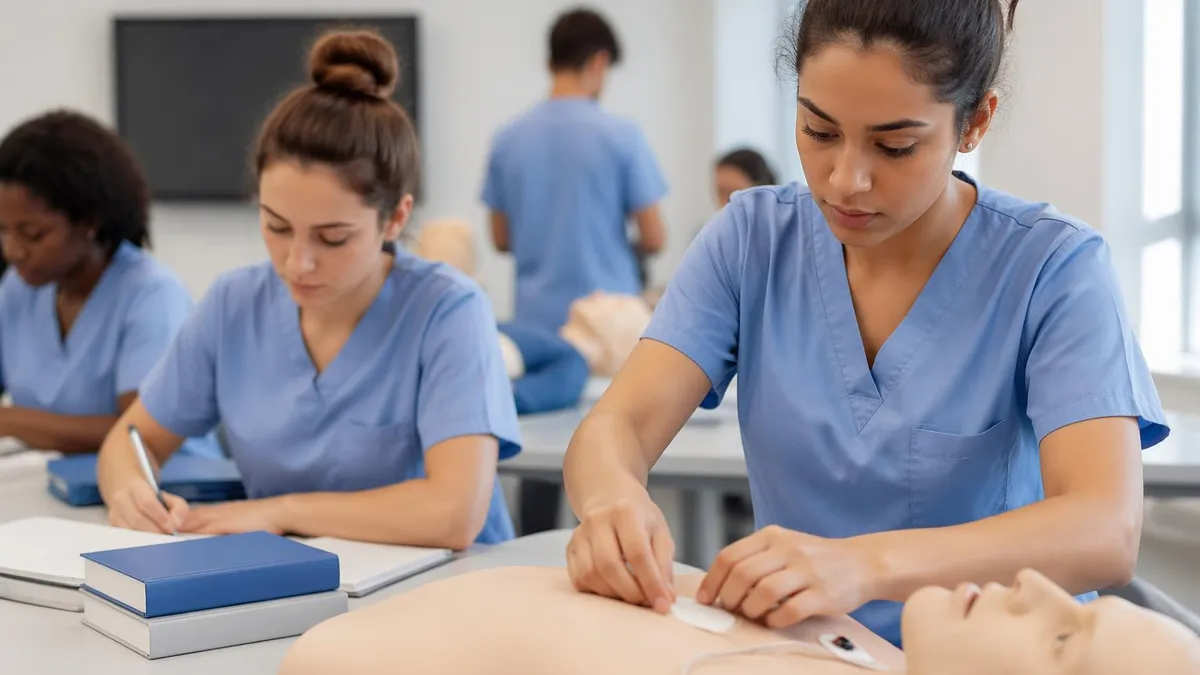
Online options have expanded significantly. The theory portion — anatomy basics, infection control principles, patient rights, medical terminology — works well in a virtual classroom. But you'll still need in-person clinical hours. No state accepts fully online CNA programs. The clinical component is non-negotiable because patient care requires hands-on practice that no simulation can replicate.
Some facilities pressure CNAs to perform tasks outside their scope — like administering medications or changing sterile wound dressings. Refuse politely but firmly. Document the request if it happens repeatedly. Your certification is your livelihood. Losing it because a short-staffed facility asked you to cut corners isn't worth the risk. Report scope violations to your state board if they persist.
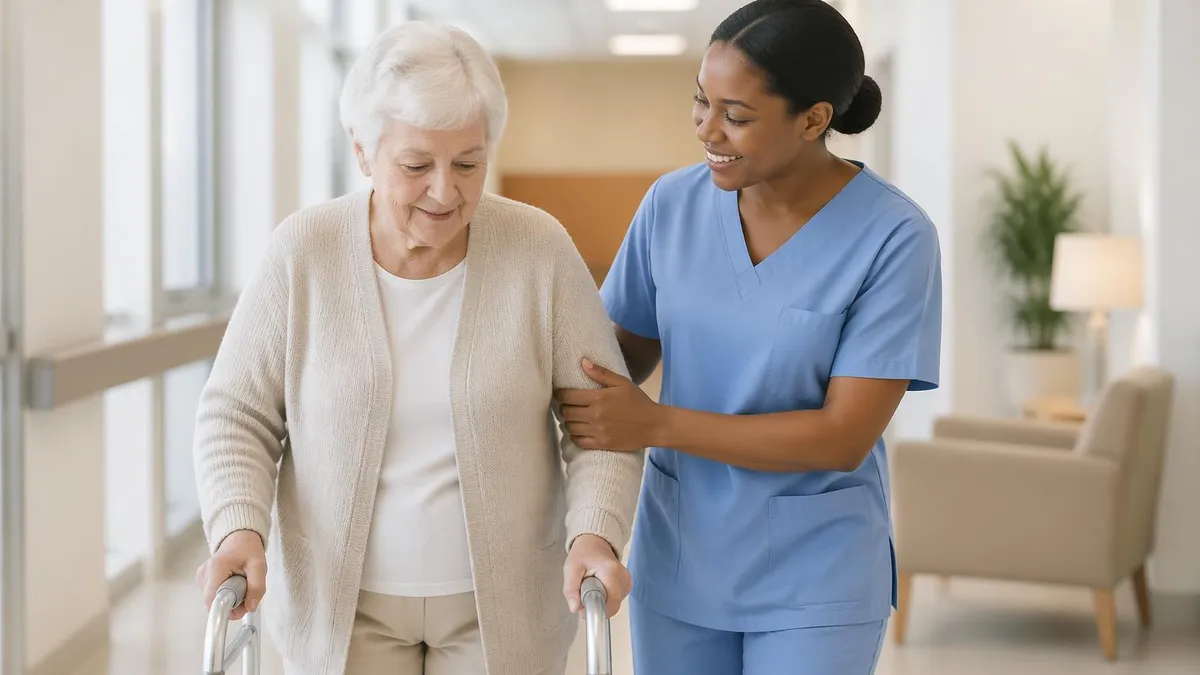
Everyday CNA duties include more than the textbook list. You'll answer call lights, change bed linens, transport patients to imaging or therapy, stock supply rooms, and assist with admissions and discharges. Some of these tasks feel mundane — until you realize that a clean bed prevents infection, a timely transport means a patient gets treatment faster, and a well-stocked room means the nurse can focus on care instead of hunting for gloves. You'll also escort visitors, help with room setups for new admissions, and coordinate with dietary staff about patient meal restrictions. The variety keeps shifts from feeling repetitive.
The nursing assistant registry in your state is your professional identity. Employers check it, patients trust it, and the state updates it based on your continuing education and any complaints filed against you. Keep your information current — address changes, name changes, and renewal dates all matter. Some states require continuing education hours to maintain your listing. Miss the deadline and you could end up off the registry, which means you can't work until you're relisted. Each state handles renewal differently — some require 12 hours of CE annually, others require 24 hours biennially.
Career advancement from CNA is clear and well-documented. Many CNAs move into LPN programs (12-18 months), then RN programs (2-4 years). Some go directly from CNA to RN through bridge programs. Others specialize — becoming medication aides, restorative CNAs, or patient care technicians. The experience you gain as a CNA gives you a massive advantage in nursing school because you already know what patient care looks like in practice, not just in theory. Employers value that bedside experience — it shows up in clinical rotations and job interviews alike.
CNA Practice Test Questions
Prepare for the CNA - Certified Nursing Assistant exam with our free practice test modules. Each quiz covers key topics to help you pass on your first try.
CNA Activities of Daily Living
CNA Exam Questions covering Activities of Daily Living. Master CNA Test concepts for certification prep.
CNA Aging Process
Free CNA Practice Test featuring Aging Process. Improve your CNA Exam score with mock test prep.
CNA Anatomy and Physiology Basics
CNA Mock Exam on Anatomy and Physiology Basics. CNA Study Guide questions to pass on your first try.
CNA Assisting with Daily Living
CNA Test Prep for Assisting with Daily Living. Practice CNA Quiz questions and boost your score.
CNA Assisting with Range of Motion Exercises
CNA Questions and Answers on Assisting with Range of Motion Exercises. Free CNA practice for exam readiness.
CNA Basic Human Anatomy and Age-Related Ch...
CNA Mock Test covering Basic Human Anatomy and Age-Related Changes. Online CNA Test practice with instant feedback.
CNA Basic Nursing Skills
Free CNA Quiz on Basic Nursing Skills. CNA Exam prep questions with detailed explanations.
CNA Basic Nursing Skills 10
CNA Practice Questions for Basic Nursing Skills 10. Build confidence for your CNA certification exam.
CNA Basic Nursing Skills 11
CNA Test Online for Basic Nursing Skills 11. Free practice with instant results and feedback.
CNA Basic Nursing Skills 1
CNA Study Material on Basic Nursing Skills 1. Prepare effectively with real exam-style questions.
CNA Basic Nursing Skills 12
Free CNA Test covering Basic Nursing Skills 12. Practice and track your CNA exam readiness.
CNA Basic Nursing Skills 13
CNA Exam Questions covering Basic Nursing Skills 13. Master CNA Test concepts for certification prep.
CNA Basic Nursing Skills 14
Free CNA Practice Test featuring Basic Nursing Skills 14. Improve your CNA Exam score with mock test prep.
CNA Basic Nursing Skills 15
CNA Mock Exam on Basic Nursing Skills 15. CNA Study Guide questions to pass on your first try.
CNA Basic Nursing Skills 16
CNA Test Prep for Basic Nursing Skills 16. Practice CNA Quiz questions and boost your score.
CNA Basic Nursing Skills 17
CNA Questions and Answers on Basic Nursing Skills 17. Free CNA practice for exam readiness.
CNA Basic Nursing Skills 18
CNA Mock Test covering Basic Nursing Skills 18. Online CNA Test practice with instant feedback.
CNA Basic Nursing Skills 19
Free CNA Quiz on Basic Nursing Skills 19. CNA Exam prep questions with detailed explanations.
CNA Basic Nursing Skills 20
CNA Practice Questions for Basic Nursing Skills 20. Build confidence for your CNA certification exam.
CNA Basic Nursing Skills 21
CNA Test Online for Basic Nursing Skills 21. Free practice with instant results and feedback.
CNA Basic Nursing Skills 2
CNA Study Material on Basic Nursing Skills 2. Prepare effectively with real exam-style questions.
CNA Basic Nursing Skills 3
Free CNA Test covering Basic Nursing Skills 3. Practice and track your CNA exam readiness.
CNA Basic Nursing Skills 4
CNA Exam Questions covering Basic Nursing Skills 4. Master CNA Test concepts for certification prep.
CNA Basic Nursing Skills 5
Free CNA Practice Test featuring Basic Nursing Skills 5. Improve your CNA Exam score with mock test prep.
CNA Basic Nursing Skills 6
CNA Mock Exam on Basic Nursing Skills 6. CNA Study Guide questions to pass on your first try.
CNA Basic Nursing Skills 7
CNA Test Prep for Basic Nursing Skills 7. Practice CNA Quiz questions and boost your score.
CNA Basic Nursing Skills 8
CNA Questions and Answers on Basic Nursing Skills 8. Free CNA practice for exam readiness.
CNA Basic Nursing Skills 9
CNA Mock Test covering Basic Nursing Skills 9. Online CNA Test practice with instant feedback.
CNA Basic Restorative Services
Free CNA Quiz on Basic Restorative Services. CNA Exam prep questions with detailed explanations.
CNA Basic Restorative Services 1
CNA Practice Questions for Basic Restorative Services 1. Build confidence for your CNA certification exam.
CNA Bathing and Dressing
CNA Test Online for Bathing and Dressing. Free practice with instant results and feedback.
CNA Body Mechanics
CNA Study Material on Body Mechanics. Prepare effectively with real exam-style questions.
CNA Career Advancement and Opportunities
Free CNA Test covering Career Advancement and Opportunities. Practice and track your CNA exam readiness.
CNA Career Opportunities and Benefits
CNA Exam Questions covering Career Opportunities and Benefits. Master CNA Test concepts for certification prep.
CNA Care for Residents with Cognitive Impa...
Free CNA Practice Test featuring Care for Residents with Cognitive Impairment. Improve your CNA Exam score with mock test prep.
CNA Care of Cognitively Impaired Residents
CNA Mock Exam on Care of Cognitively Impaired Residents. CNA Study Guide questions to pass on your first try.
CNA Care of Cognitively Impaired Residents 1
CNA Test Prep for Care of Cognitively Impaired Residents 1. Practice CNA Quiz questions and boost your score.
CNA Care Of Cognitively Impaired Residents 4
CNA Questions and Answers on Care Of Cognitively Impaired Residents 4. Free CNA practice for exam readiness.
CNA Common Medical Terms and Abbreviations
CNA Mock Test covering Common Medical Terms and Abbreviations. Online CNA Test practice with instant feedback.
CNA Communication and Interpersonal Skills
Free CNA Quiz on Communication and Interpersonal Skills. CNA Exam prep questions with detailed explanations.
CNA Communication and Interpersonal Skills 1
CNA Practice Questions for Communication and Interpersonal Skills 1. Build confidence for your CNA certification exam.
CNA Communication And Interpersonal Skills 4
CNA Test Online for Communication And Interpersonal Skills 4. Free practice with instant results and feedback.
CNA Eligibility and Qualifications
CNA Study Material on Eligibility and Qualifications. Prepare effectively with real exam-style questions.
CNA Emergency Procedure
Free CNA Test covering Emergency Procedure. Practice and track your CNA exam readiness.
CNA Ethics and Professionalism
CNA Exam Questions covering Ethics and Professionalism. Master CNA Test concepts for certification prep.
CNA Exam Structure and Content
Free CNA Practice Test featuring Exam Structure and Content. Improve your CNA Exam score with mock test prep.
CNA Feeding and Hydration
CNA Mock Exam on Feeding and Hydration. CNA Study Guide questions to pass on your first try.
CNA Infection Control
CNA Test Prep for Infection Control. Practice CNA Quiz questions and boost your score.
CNA Infection Control and Safety
CNA Questions and Answers on Infection Control and Safety. Free CNA practice for exam readiness.
CNA Isolation Precautions
CNA Mock Test covering Isolation Precautions. Online CNA Test practice with instant feedback.
CNA Legal & Ethical Behaviours
Free CNA Quiz on Legal & Ethical Behaviours. CNA Exam prep questions with detailed explanations.
CNA Legal & Ethical Behaviours 1
CNA Practice Questions for Legal & Ethical Behaviours 1. Build confidence for your CNA certification exam.
CNA Legal & Ethical Behaviours 4
CNA Test Online for Legal & Ethical Behaviours 4. Free practice with instant results and feedback.
CNA Mental Health and Social Services Needs
CNA Study Material on Mental Health and Social Services Needs. Prepare effectively with real exam-style questions.
CNA Mental Health and Social Services Needs 1
Free CNA Test covering Mental Health and Social Services Needs 1. Practice and track your CNA exam readiness.
CNA Mental Health And Social Services Needs 4
CNA Exam Questions covering Mental Health And Social Services Needs 4. Master CNA Test concepts for certification prep.
CNA Nutrition and Hydration Management
Free CNA Practice Test featuring Nutrition and Hydration Management. Improve your CNA Exam score with mock test prep.
CNA Patient Care Procedure
CNA Mock Exam on Patient Care Procedure. CNA Study Guide questions to pass on your first try.
CNA Personal Care Skills
CNA Test Prep for Personal Care Skills. Practice CNA Quiz questions and boost your score.
CNA Personal Care Skills 1
CNA Questions and Answers on Personal Care Skills 1. Free CNA practice for exam readiness.
CNA Personal Care Skills 4
CNA Mock Test covering Personal Care Skills 4. Online CNA Test practice with instant feedback.
CNA Personal Care Skills 5
Free CNA Quiz on Personal Care Skills 5. CNA Exam prep questions with detailed explanations.
CNA Personal Hygiene and Grooming
CNA Practice Questions for Personal Hygiene and Grooming. Build confidence for your CNA certification exam.
CNA Practice Test - Basic Nursing Skills #2
CNA Test Online for Practice Test - Basic Nursing Skills #2. Free practice with instant results and feedback.
CNA Practice Test - Basic Nursing Skills #2 1
CNA Study Material on Practice Test - Basic Nursing Skills #2 1. Prepare effectively with real exam-style questions.
CNA Preventing Patient Falls and Injuries
Free CNA Test covering Preventing Patient Falls and Injuries. Practice and track your CNA exam readiness.
CNA Promoting Resident Independence and Ch...
CNA Exam Questions covering Promoting Resident Independence and Choice. Master CNA Test concepts for certification prep.
CNA Proper Hand Hygiene and PPE Usage
Free CNA Practice Test featuring Proper Hand Hygiene and PPE Usage. Improve your CNA Exam score with mock test prep.
CNA Resident Rights and Communication
CNA Mock Exam on Resident Rights and Communication. CNA Study Guide questions to pass on your first try.
CNA Resident’s Rights
CNA Test Prep for Resident’s Rights. Practice CNA Quiz questions and boost your score.
CNA Resident's Rights 1
CNA Questions and Answers on Resident's Rights 1. Free CNA practice for exam readiness.
CNA Resident's Rights 4
CNA Mock Test covering Resident's Rights 4. Online CNA Test practice with instant feedback.
CNA Roles and Responsibilities
Free CNA Quiz on Roles and Responsibilities. CNA Exam prep questions with detailed explanations.
CNA Safety and Emergency Procedures
CNA Practice Questions for Safety and Emergency Procedures. Build confidence for your CNA certification exam.
CNA Safety and Emergency Procedures 1
CNA Test Online for Safety and Emergency Procedures 1. Free practice with instant results and feedback.
CNA Safety And Emergency Procedures 4
CNA Study Material on Safety And Emergency Procedures 4. Prepare effectively with real exam-style questions.
CNA Safety and Infection Control
Free CNA Test covering Safety and Infection Control. Practice and track your CNA exam readiness.
CNA Scope of Practice
CNA Exam Questions covering Scope of Practice. Master CNA Test concepts for certification prep.
CNA Skills and Competencies
Free CNA Practice Test featuring Skills and Competencies. Improve your CNA Exam score with mock test prep.
CNA Supporting Rehabilitation Activities
CNA Mock Exam on Supporting Rehabilitation Activities. CNA Study Guide questions to pass on your first try.
CNA The Nurse Aide's Role and Responsibili...
CNA Test Prep for The Nurse Aide's Role and Responsibilities. Practice CNA Quiz questions and boost your score.
CNA Time Management and Prioritization
CNA Questions and Answers on Time Management and Prioritization. Free CNA practice for exam readiness.
CNA Toileting and Elimination
CNA Mock Test covering Toileting and Elimination. Online CNA Test practice with instant feedback.
CNA Using Adaptive Devices
CNA Practice Questions for Using Adaptive Devices. Build confidence for your CNA certification exam.
For CNAs working in or considering Illinois, the illinois nursing license lookup tool is essential for verifying your registry status. Each state manages its own database — Illinois uses the Health Care Worker Registry, California uses the Aide and Technician Certification Section, and Florida uses the CNA Registry through the Board of Nursing. Verification of nursing license california processes require submitting your fingerprints and completing a background check. Processing times vary by state — expect anywhere from one week to six weeks for full verification to come through.
Multi-state licensure isn't really a thing for CNAs the way it is for RNs. If you move states, you'll likely need to apply for reciprocity or retake the competency exam. Some states have reciprocity agreements that make the process smooth. Others require you to retake the written exam, the clinical skills test, or both. Research your target state's requirements before relocating — discovering you need to recertify after you've already moved creates unnecessary stress and gaps in employment. States like Texas and Ohio tend to process reciprocity applications faster than states like New York or California.
The CNA role is evolving. Telehealth integration means some home health CNAs now assist with virtual doctor visits. Electronic documentation has replaced paper charts in most facilities. Specialized CNA roles in hospice, dialysis, and rehabilitation are growing. The core duties haven't changed much — patients still need help eating, bathing, and moving safely — but the tools and settings keep expanding.
Staying current with these changes makes you more marketable and more effective at the bedside. CNAs who learn new technologies early — whether it's a new EHR system or telehealth platform — position themselves for leadership roles and higher pay down the road.
CNA Questions and Answers
Restorative CNA: Duties, Training, Salary & How to Get Started
CNA Hospital Jobs Near Me: How to Find, Apply & Get Hired in 2026

Goodwill CNA Program: Free Classes, Costs, and How to Enroll
Hospice CNA: Duties, Salary, Per Diem Work & How to Get Started
4-Week CNA Program: Online Options, State Programs & How to Enroll
About the Author
Registered Nurse & Healthcare Educator
Johns Hopkins University School of NursingDr. Sarah Mitchell is a board-certified registered nurse with over 15 years of clinical and academic experience. She completed her PhD in Nursing Science at Johns Hopkins University and has taught NCLEX preparation and clinical skills courses for nursing students across the United States. Her research focuses on evidence-based exam preparation strategies for healthcare certification candidates.
Join the Discussion
Connect with other students preparing for this exam. Share tips, ask questions, and get advice from people who have been there.
View discussion (5 replies)