
How to Pass the CNA Exam: Study Tips, Skills Test, and Licensing Steps
Pass your How to Pass the CNA exam on the first attempt. Practice questions with detailed answer explanations, hints, and instant scoring. 💡
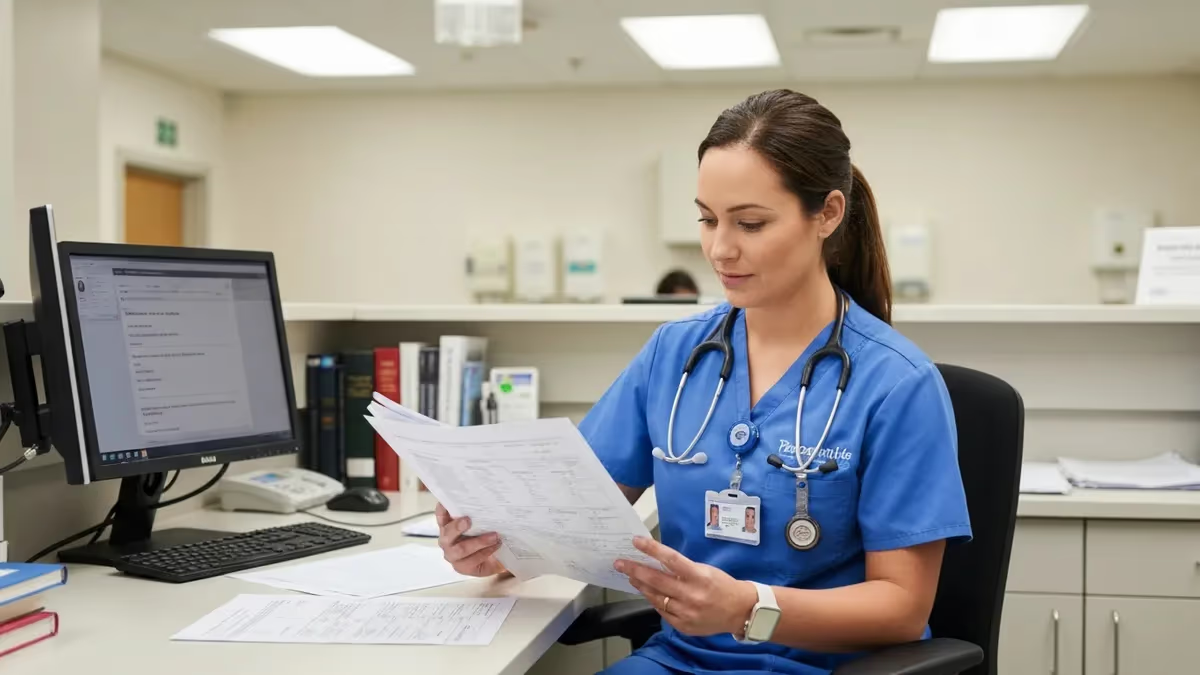
Figuring out how to pass CNA exam questions isn't as intimidating as it seems — but it does require the right approach. The CNA how to pass CNA exam question comes up constantly in nursing forums, and for good reason. This test stands between you and a career in healthcare. It has two parts: a written knowledge section and a hands-on clinical skills evaluation. Both matter equally, and you absolutely need to pass each one to get certified.
If you're wondering how to pass Prometric CNA exam specifically, you're not alone. Prometric administers the test in most states, and their format follows a predictable structure. The written portion has 60-70 multiple-choice questions. The skills section requires you to demonstrate 5 randomly selected procedures in front of an evaluator. Knowing what to expect removes a huge chunk of test anxiety right there. Familiarity with the format is half the battle.
This guide breaks down exactly what you need to study, how to practice clinical skills at home, what the licensing process looks like after you pass, and where to find reliable practice tests. We've embedded CNA practice questions throughout — use them to gauge your readiness. Don't just read passively. Test yourself after every section. That active recall is what actually moves information into long-term memory, and it's the single best study technique for exam prep.

Understanding how to pass Prometric CNA exam starts with knowing the test structure inside and out. Prometric uses a standardized format, but each state sets its own passing score — usually between 70% and 80%. Some states like California require a higher threshold. Check your state's specific requirements before you start studying so you know exactly what target you're aiming for.
The written portion tests your knowledge across several domains: infection control, patient rights, communication, safety, mental health concepts, and basic nursing procedures. Learning how to pass CNA written exam questions means understanding these categories deeply, not just memorizing isolated facts. The test writers love scenario-based questions — they'll describe a patient situation and ask what you should do first, or which action is most appropriate.
Practice tests are your best weapon here. Take at least 5-10 full-length practice exams before your test date. Time yourself. Review every wrong answer and understand why it's wrong — not just what the right answer is. This approach builds the critical thinking skills the exam actually measures. Flashcards definitely help for terminology review, but practice tests simulate the real pressure and question format you'll face on exam day.
The clinical skills section is where many candidates stumble — and knowing how to pass the CNA written exam alone isn't enough. You also need hands-on competence. During the skills evaluation, a nurse evaluator watches you perform 5 procedures selected randomly from a list of about 25. You won't know which ones until test day. Handwashing is almost always included, so master that one first.
Learning how to pass the CNA exam means practicing every single skill on the checklist, not just the ones you think are likely. Each skill has specific steps that must be performed in order. Miss one critical step — like failing to identify the patient or forgetting to wash your hands — and you fail that skill entirely. The evaluator follows a strict rubric. There's no partial credit and no do-overs.
Practice at home with a family member or friend acting as your patient. Narrate each step out loud as you do it. This verbal walk-through helps you remember the sequence under pressure. Film yourself if possible — watching playback reveals habits you don't notice in the moment, like skipping the privacy curtain or forgetting to raise the bed rail. These details matter more than you'd expect on test day. Small procedural errors are the number one reason candidates fail the skills portion, not lack of knowledge.
CNA Exam Sections Explained
The written test covers 8 content areas: patient rights, communication, infection control, safety/emergencies, personal care, mental health, care planning, and legal/ethical issues. Questions are multiple-choice with four answer options. You'll have 2 hours for 70 questions on the NNAAP — more than 1.5 minutes per question, but pacing still matters. Read each question twice before selecting your answer.
After exam day, the most common search is how do I know if I passed my CNA state exam. Results typically appear on the testing service website within 24-48 hours for the written portion. Skills results sometimes take an extra business day. You'll receive a pass/fail notification — the written section shows your score, while the skills section simply indicates which procedures you passed or failed.
Understanding how do I pass the CNA skills exam comes down to preparation and composure. The evaluator isn't trying to trick you. They want to see that you can perform basic nursing procedures safely and correctly. Smile, breathe, and talk through your steps. If you make an error, some states allow you to restart a skill if you catch the mistake immediately. Ask about the restart policy when you arrive at the testing center.
If you don't pass one section, most states let you retake just that portion without repeating the other. So if you pass the written test but fail the skills evaluation, you only need to redo the skills. This saves time and money. But don't rely on retakes as a backup plan — prepare thoroughly the first time around, because each retake costs another exam fee and delays your ability to start working.
The skills portion requires specific preparation. Knowing how to pass CNA state skills exam means drilling every procedure on the checklist until it becomes automatic. Start with handwashing — it appears on nearly every test. Practice the exact sequence: wet hands, apply soap, scrub all surfaces for 20 seconds, rinse, dry with paper towels, and use the towel to turn off the faucet. Miss that last step and you fail the skill.
For the written component, learning how to pass CNA state written exam questions is about pattern recognition. The test heavily emphasizes infection control and patient safety. When in doubt on a question, ask yourself: which answer protects the patient most? That's almost always correct. The exam rewards conservative, safety-first thinking. Bold or unconventional approaches are rarely the right answer in a CNA testing context.
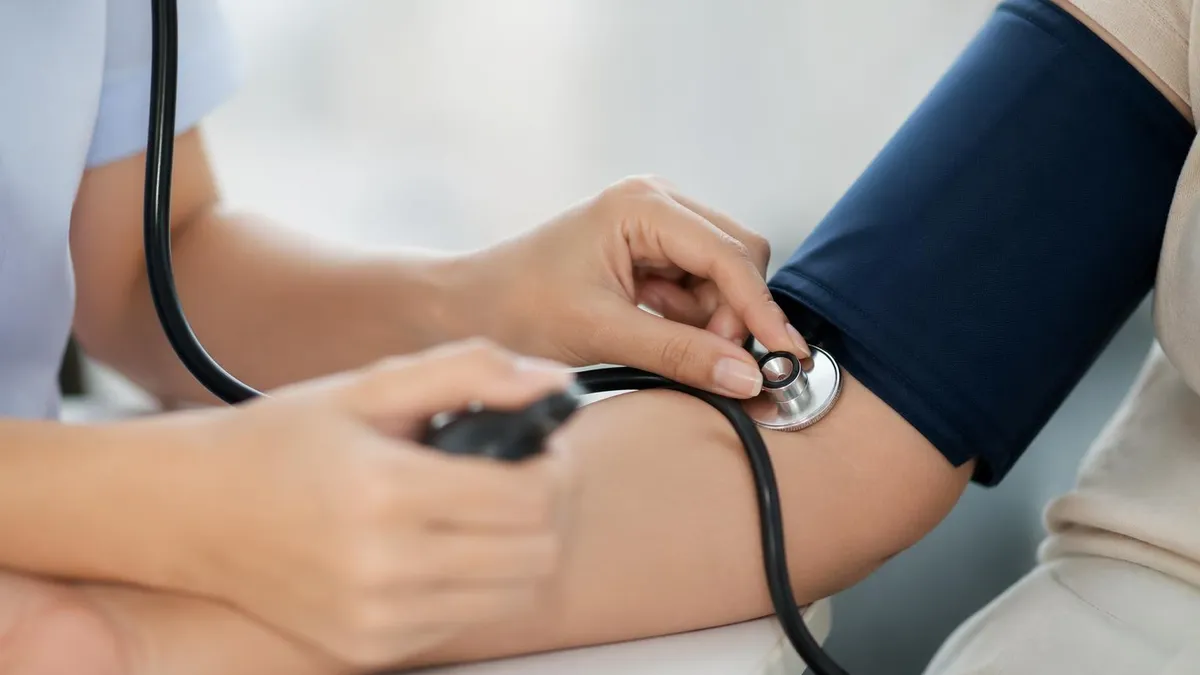
Blood pressure measurement, pulse counting, and temperature taking are among the most commonly tested clinical skills. Buy an inexpensive stethoscope and blood pressure cuff for home practice. Take your own vitals daily until the readings come naturally. Speed matters — you've got limited time for all 5 skills, so efficiency without rushing is the goal. Practice until you can complete each skill in under 5 minutes while hitting every step on the checklist.
Pros and Cons of CNA Certification
- +Fast entry into healthcare — most CNA programs take just 4-12 weeks to complete
- +Strong job demand with positions available in nursing homes, hospitals, and home health agencies
- +Stepping stone to higher nursing roles like LPN or RN with tuition reimbursement programs
- +Hands-on patient care experience that builds real clinical skills from day one
- +Flexible scheduling with day, night, and weekend shifts available at most facilities
- +Emotionally rewarding work helping patients with daily activities and providing companionship
- −Physically demanding job involving lifting, bending, and standing for 8-12 hour shifts
- −Starting pay of $14-18/hour is modest compared to other healthcare roles
- −High burnout rates due to staffing shortages and heavy patient loads
- −Limited scope of practice — CNAs can't administer medications or perform assessments
- −Exposure to infectious diseases and workplace injuries is a real occupational hazard
- −Certification requirements and renewal rules vary by state, complicating interstate moves
Pros and Cons at a Glance
| Pros | Cons |
|---|---|
| Strong job demand with positions available in nursing homes, hospitals, and home health agencies | High burnout rates due to staffing shortages and heavy patient loads |
| Stepping stone to higher nursing roles like LPN or RN with tuition reimbursement programs | Limited scope of practice — CNAs can't administer medications or perform assessments |
| Hands-on patient care experience that builds real clinical skills from day one | Exposure to infectious diseases and workplace injuries is a real occupational hazard |
| Flexible scheduling with day, night, and weekend shifts available at most facilities | Certification requirements and renewal rules vary by state, complicating interstate moves |
Candidates often search for how to pass your CNA state exam and find generic advice that doesn't address state-specific differences. Here's what matters: each state sets its own passing threshold, skill list, and retake policies. California, for example, requires a higher written score than many other states. Texas uses a different skills checklist than Florida. Before you study anything, pull up your state's specific CNA exam requirements from the state health department website.
The question of how to pass your CNA written exam comes up especially often among candidates who struggle with test anxiety. If that's you, try this: take at least 10 practice exams before your real test. By the fifth or sixth practice run, the format becomes familiar and your anxiety drops significantly. You stop worrying about what kind of questions will appear because you've already seen hundreds of variations.
Study groups help, but only if everyone stays focused. Find 2-3 classmates who take preparation seriously. Quiz each other on terminology, practice skills together, and review wrong answers as a team. Different perspectives on why an answer is wrong often reveal misunderstandings you wouldn't catch alone. Keep sessions to 90 minutes max — after that, retention drops and you're just going through the motions.
CNA Exam Day Preparation Checklist
- ✓Confirm your exam date, time, and testing center location at least one week in advance
- ✓Bring two forms of valid identification — one must be government-issued with a photo
- ✓Wear scrubs and closed-toe shoes to the skills evaluation portion of the exam
- ✓Arrive 30 minutes early to complete check-in paperwork and settle your nerves
- ✓Bring your CNA training program completion certificate or proof of eligibility
- ✓Review the handwashing procedure one final time — it appears on almost every skills test
- ✓Eat a solid meal and stay hydrated before the exam to maintain focus and energy
- ✓Turn off your phone completely and leave it in your car or locker
- ✓Read each written question twice before selecting an answer — don't rush
- ✓During the skills test, narrate your actions to the evaluator to demonstrate awareness
After the exam, the next search is usually how to find out if I passed my CNA exam. Most testing services — including Prometric and Credentia (NNAAP) — post results online within 1-2 business days. Log into the same portal where you registered. Your results page will show pass or fail for each section, and the written portion typically displays your numeric score. Some states also mail a physical results letter within 2-3 weeks.
Understanding how to pass CNA state exam on a retake requires honest self-assessment. If you failed the written portion, your score report shows which content areas were weakest. Focus your restudy efforts there — don't just repeat your entire original study plan. If you failed a specific clinical skill, practice that exact procedure until you can do it in your sleep. Ask your training program instructor for extra practice time in the skills lab if possible.
Don't wait too long between attempts. Most states allow retakes within 30-90 days, and your knowledge is freshest right after the first attempt. Schedule your retake as soon as you've had time to address your weak areas — usually 2-3 weeks is enough. Waiting months means you'll need to re-review material you already knew, wasting study time on content that wasn't the problem in the first place. Strike while the iron is hot and your motivation is strongest.
Once you pass, the next step is figuring out how to get my CNA license after passing exam. The process varies by state, but generally you'll submit a license application to your state's nurse aide registry. Some states handle this automatically through the testing service — your name gets added to the registry within days of passing. Others require you to submit a separate application with your exam results, a background check, and an application fee.
Knowing how to pass CNA skills exam consistently means building what instructors call procedural memory. That's the kind of memory that lets you perform a task without consciously thinking through each step — like tying your shoes or driving a car. You build procedural memory through repetition. Perform each clinical skill at least 20-30 times before your exam date. By the fifteenth repetition, the steps start feeling automatic. By the thirtieth, you can do them under pressure without freezing up.
Some facilities offer study groups and practice labs in the weeks before the exam. Take advantage of these resources even if you feel prepared. Practicing in an unfamiliar environment — a hospital skills lab instead of your apartment — simulates the testing center experience and reduces exam day surprises. The evaluator's presence adds pressure you can't replicate studying alone, so any chance to practice your skills in front of someone watching is valuable.
Every state maintains a nurse aide registry, and you must appear on your state's registry to work legally as a CNA. After passing the exam, confirm your name appears on the registry before starting employment. Most states require registry renewal every 2 years, with proof of active employment and continuing education. If your registration lapses, you may need to retake the exam entirely.
A frequent post-exam question is how to check if you passed CNA exam when the online portal is slow or down. If Prometric's website isn't loading your results, try calling their candidate services line directly — they can confirm your pass/fail status over the phone. Your training program may also receive results independently and can verify your status. Don't panic if results take an extra day during high-volume testing periods.
The process for how to get CNA license after passing exam involves a few bureaucratic steps, but they're straightforward. Submit your application to the state nurse aide registry. Include proof of exam completion, your program certificate, and the application fee (typically $25-75). Most states also require a criminal background check — some programs handle this during enrollment, but you may need to submit a new one. Expect your registry listing to appear within 2-4 weeks of application submission.
While you're waiting for your license to process, start applying for jobs. Many healthcare facilities will hire you with proof of exam passage and a pending registry application. Long-term care facilities, in particular, are often willing to onboard new CNAs immediately because of persistent staffing shortages. Just make sure your employer knows your registry status — they'll need your CNA number for their records once it's issued, and some states require verification before you can work independently with patients.
CNA Practice Test Questions
Prepare for the CNA - Certified Nursing Assistant exam with our free practice test modules. Each quiz covers key topics to help you pass on your first try.
CNA Activities of Daily Living
CNA Exam Questions covering Activities of Daily Living. Master CNA Test concepts for certification prep.
CNA Aging Process
Free CNA Practice Test featuring Aging Process. Improve your CNA Exam score with mock test prep.
CNA Anatomy and Physiology Basics
CNA Mock Exam on Anatomy and Physiology Basics. CNA Study Guide questions to pass on your first try.
CNA Assisting with Daily Living
CNA Test Prep for Assisting with Daily Living. Practice CNA Quiz questions and boost your score.
CNA Assisting with Range of Motion Exercises
CNA Questions and Answers on Assisting with Range of Motion Exercises. Free CNA practice for exam readiness.
CNA Basic Human Anatomy and Age-Related Ch...
CNA Mock Test covering Basic Human Anatomy and Age-Related Changes. Online CNA Test practice with instant feedback.
CNA Basic Nursing Skills
Free CNA Quiz on Basic Nursing Skills. CNA Exam prep questions with detailed explanations.
CNA Basic Nursing Skills 10
CNA Practice Questions for Basic Nursing Skills 10. Build confidence for your CNA certification exam.
CNA Basic Nursing Skills 11
CNA Test Online for Basic Nursing Skills 11. Free practice with instant results and feedback.
CNA Basic Nursing Skills 1
CNA Study Material on Basic Nursing Skills 1. Prepare effectively with real exam-style questions.
CNA Basic Nursing Skills 12
Free CNA Test covering Basic Nursing Skills 12. Practice and track your CNA exam readiness.
CNA Basic Nursing Skills 13
CNA Exam Questions covering Basic Nursing Skills 13. Master CNA Test concepts for certification prep.
CNA Basic Nursing Skills 14
Free CNA Practice Test featuring Basic Nursing Skills 14. Improve your CNA Exam score with mock test prep.
CNA Basic Nursing Skills 15
CNA Mock Exam on Basic Nursing Skills 15. CNA Study Guide questions to pass on your first try.
CNA Basic Nursing Skills 16
CNA Test Prep for Basic Nursing Skills 16. Practice CNA Quiz questions and boost your score.
CNA Basic Nursing Skills 17
CNA Questions and Answers on Basic Nursing Skills 17. Free CNA practice for exam readiness.
CNA Basic Nursing Skills 18
CNA Mock Test covering Basic Nursing Skills 18. Online CNA Test practice with instant feedback.
CNA Basic Nursing Skills 19
Free CNA Quiz on Basic Nursing Skills 19. CNA Exam prep questions with detailed explanations.
CNA Basic Nursing Skills 20
CNA Practice Questions for Basic Nursing Skills 20. Build confidence for your CNA certification exam.
CNA Basic Nursing Skills 21
CNA Test Online for Basic Nursing Skills 21. Free practice with instant results and feedback.
CNA Basic Nursing Skills 2
CNA Study Material on Basic Nursing Skills 2. Prepare effectively with real exam-style questions.
CNA Basic Nursing Skills 3
Free CNA Test covering Basic Nursing Skills 3. Practice and track your CNA exam readiness.
CNA Basic Nursing Skills 4
CNA Exam Questions covering Basic Nursing Skills 4. Master CNA Test concepts for certification prep.
CNA Basic Nursing Skills 5
Free CNA Practice Test featuring Basic Nursing Skills 5. Improve your CNA Exam score with mock test prep.
CNA Basic Nursing Skills 6
CNA Mock Exam on Basic Nursing Skills 6. CNA Study Guide questions to pass on your first try.
CNA Basic Nursing Skills 7
CNA Test Prep for Basic Nursing Skills 7. Practice CNA Quiz questions and boost your score.
CNA Basic Nursing Skills 8
CNA Questions and Answers on Basic Nursing Skills 8. Free CNA practice for exam readiness.
CNA Basic Nursing Skills 9
CNA Mock Test covering Basic Nursing Skills 9. Online CNA Test practice with instant feedback.
CNA Basic Restorative Services
Free CNA Quiz on Basic Restorative Services. CNA Exam prep questions with detailed explanations.
CNA Basic Restorative Services 1
CNA Practice Questions for Basic Restorative Services 1. Build confidence for your CNA certification exam.
CNA Bathing and Dressing
CNA Test Online for Bathing and Dressing. Free practice with instant results and feedback.
CNA Body Mechanics
CNA Study Material on Body Mechanics. Prepare effectively with real exam-style questions.
CNA Career Advancement and Opportunities
Free CNA Test covering Career Advancement and Opportunities. Practice and track your CNA exam readiness.
CNA Career Opportunities and Benefits
CNA Exam Questions covering Career Opportunities and Benefits. Master CNA Test concepts for certification prep.
CNA Care for Residents with Cognitive Impa...
Free CNA Practice Test featuring Care for Residents with Cognitive Impairment. Improve your CNA Exam score with mock test prep.
CNA Care of Cognitively Impaired Residents
CNA Mock Exam on Care of Cognitively Impaired Residents. CNA Study Guide questions to pass on your first try.
CNA Care of Cognitively Impaired Residents 1
CNA Test Prep for Care of Cognitively Impaired Residents 1. Practice CNA Quiz questions and boost your score.
CNA Care Of Cognitively Impaired Residents 4
CNA Questions and Answers on Care Of Cognitively Impaired Residents 4. Free CNA practice for exam readiness.
CNA Common Medical Terms and Abbreviations
CNA Mock Test covering Common Medical Terms and Abbreviations. Online CNA Test practice with instant feedback.
CNA Communication and Interpersonal Skills
Free CNA Quiz on Communication and Interpersonal Skills. CNA Exam prep questions with detailed explanations.
CNA Communication and Interpersonal Skills 1
CNA Practice Questions for Communication and Interpersonal Skills 1. Build confidence for your CNA certification exam.
CNA Communication And Interpersonal Skills 4
CNA Test Online for Communication And Interpersonal Skills 4. Free practice with instant results and feedback.
CNA Eligibility and Qualifications
CNA Study Material on Eligibility and Qualifications. Prepare effectively with real exam-style questions.
CNA Emergency Procedure
Free CNA Test covering Emergency Procedure. Practice and track your CNA exam readiness.
CNA Ethics and Professionalism
CNA Exam Questions covering Ethics and Professionalism. Master CNA Test concepts for certification prep.
CNA Exam Structure and Content
Free CNA Practice Test featuring Exam Structure and Content. Improve your CNA Exam score with mock test prep.
CNA Feeding and Hydration
CNA Mock Exam on Feeding and Hydration. CNA Study Guide questions to pass on your first try.
CNA Infection Control
CNA Test Prep for Infection Control. Practice CNA Quiz questions and boost your score.
CNA Infection Control and Safety
CNA Questions and Answers on Infection Control and Safety. Free CNA practice for exam readiness.
CNA Isolation Precautions
CNA Mock Test covering Isolation Precautions. Online CNA Test practice with instant feedback.
CNA Legal & Ethical Behaviours
Free CNA Quiz on Legal & Ethical Behaviours. CNA Exam prep questions with detailed explanations.
CNA Legal & Ethical Behaviours 1
CNA Practice Questions for Legal & Ethical Behaviours 1. Build confidence for your CNA certification exam.
CNA Legal & Ethical Behaviours 4
CNA Test Online for Legal & Ethical Behaviours 4. Free practice with instant results and feedback.
CNA Mental Health and Social Services Needs
CNA Study Material on Mental Health and Social Services Needs. Prepare effectively with real exam-style questions.
CNA Mental Health and Social Services Needs 1
Free CNA Test covering Mental Health and Social Services Needs 1. Practice and track your CNA exam readiness.
CNA Mental Health And Social Services Needs 4
CNA Exam Questions covering Mental Health And Social Services Needs 4. Master CNA Test concepts for certification prep.
CNA Nutrition and Hydration Management
Free CNA Practice Test featuring Nutrition and Hydration Management. Improve your CNA Exam score with mock test prep.
CNA Patient Care Procedure
CNA Mock Exam on Patient Care Procedure. CNA Study Guide questions to pass on your first try.
CNA Personal Care Skills
CNA Test Prep for Personal Care Skills. Practice CNA Quiz questions and boost your score.
CNA Personal Care Skills 1
CNA Questions and Answers on Personal Care Skills 1. Free CNA practice for exam readiness.
CNA Personal Care Skills 4
CNA Mock Test covering Personal Care Skills 4. Online CNA Test practice with instant feedback.
CNA Personal Care Skills 5
Free CNA Quiz on Personal Care Skills 5. CNA Exam prep questions with detailed explanations.
CNA Personal Hygiene and Grooming
CNA Practice Questions for Personal Hygiene and Grooming. Build confidence for your CNA certification exam.
CNA Practice Test - Basic Nursing Skills #2
CNA Test Online for Practice Test - Basic Nursing Skills #2. Free practice with instant results and feedback.
CNA Practice Test - Basic Nursing Skills #2 1
CNA Study Material on Practice Test - Basic Nursing Skills #2 1. Prepare effectively with real exam-style questions.
CNA Preventing Patient Falls and Injuries
Free CNA Test covering Preventing Patient Falls and Injuries. Practice and track your CNA exam readiness.
CNA Promoting Resident Independence and Ch...
CNA Exam Questions covering Promoting Resident Independence and Choice. Master CNA Test concepts for certification prep.
CNA Proper Hand Hygiene and PPE Usage
Free CNA Practice Test featuring Proper Hand Hygiene and PPE Usage. Improve your CNA Exam score with mock test prep.
CNA Resident Rights and Communication
CNA Mock Exam on Resident Rights and Communication. CNA Study Guide questions to pass on your first try.
CNA Resident’s Rights
CNA Test Prep for Resident’s Rights. Practice CNA Quiz questions and boost your score.
CNA Resident's Rights 1
CNA Questions and Answers on Resident's Rights 1. Free CNA practice for exam readiness.
CNA Resident's Rights 4
CNA Mock Test covering Resident's Rights 4. Online CNA Test practice with instant feedback.
CNA Roles and Responsibilities
Free CNA Quiz on Roles and Responsibilities. CNA Exam prep questions with detailed explanations.
CNA Safety and Emergency Procedures
CNA Practice Questions for Safety and Emergency Procedures. Build confidence for your CNA certification exam.
CNA Safety and Emergency Procedures 1
CNA Test Online for Safety and Emergency Procedures 1. Free practice with instant results and feedback.
CNA Safety And Emergency Procedures 4
CNA Study Material on Safety And Emergency Procedures 4. Prepare effectively with real exam-style questions.
CNA Safety and Infection Control
Free CNA Test covering Safety and Infection Control. Practice and track your CNA exam readiness.
CNA Scope of Practice
CNA Exam Questions covering Scope of Practice. Master CNA Test concepts for certification prep.
CNA Skills and Competencies
Free CNA Practice Test featuring Skills and Competencies. Improve your CNA Exam score with mock test prep.
CNA Supporting Rehabilitation Activities
CNA Mock Exam on Supporting Rehabilitation Activities. CNA Study Guide questions to pass on your first try.
CNA The Nurse Aide's Role and Responsibili...
CNA Test Prep for The Nurse Aide's Role and Responsibilities. Practice CNA Quiz questions and boost your score.
CNA Time Management and Prioritization
CNA Questions and Answers on Time Management and Prioritization. Free CNA practice for exam readiness.
CNA Toileting and Elimination
CNA Mock Test covering Toileting and Elimination. Online CNA Test practice with instant feedback.
CNA Using Adaptive Devices
CNA Practice Questions for Using Adaptive Devices. Build confidence for your CNA certification exam.
People also ask how long after passing CNA exam do you get license, and the honest answer is: it depends on your state. Some states — like Texas and Florida — add you to the registry within 5-7 business days. Others, like California and New York, can take 3-6 weeks due to higher application volumes and background check processing times. Call your state's nurse aide registry if you haven't heard back after the expected timeframe — they can usually give you a status update over the phone within minutes.
If you're researching how to apply for CNA license after passing exam, start with your state health department's website. Most have a dedicated nurse aide registry page with downloadable application forms, fee schedules, and processing timelines. Some states now offer online applications that speed up the process significantly. Have your exam completion documentation, government ID, and social security number ready before you begin the application — missing paperwork is the most common cause of processing delays.
Once you're on the registry, your CNA certification is valid for 2 years in most states. You'll need to renew it by showing proof of employment (typically 8 hours of paid work as a CNA within the renewal period) and completing any required continuing education hours. Mark your renewal date on your calendar immediately — letting your certification lapse means retaking the exam from scratch, and nobody wants to go through that process twice when a simple calendar reminder could have prevented it.
You can continue preparing with the cna nurse, which includes answer explanations for every question.
You can continue preparing with the cna plus, which includes answer explanations for every question.
You can continue preparing with the point link care cna, which includes answer explanations for every question.
You can continue preparing with the cna written exam practice test, which includes answer explanations for every question.
Sample CNA Practice Questions
Try these questions from our free CNA practice tests. The correct answer and an explanation follow each question.
What hand hygiene steps must be performed before and after catheter care?
- A. Quick hand rinse with water only
- B. Thorough handwashing with soap and water or alcohol-based hand rub, then gloves on before contact
- C. Wipe hands with a dry towel before donning gloves
- D. No special hand hygiene is needed if gloves are worn
Answer: B. Thorough handwashing with soap and water or alcohol-based hand rub, then gloves on before contact
Standard hand hygiene (soap and water or alcohol-based rub) must be performed before donning gloves and after removing them following catheter care. Gloves do not replace hand hygiene.
A resident on contact precautions is to be transported for a diagnostic test. What must the CNA ensure?
- A. No special measures are needed during transport outside the room
- B. The resident must be transported in a sealed bubble stretcher
- C. Wounds or drainage are covered, the receiving area is notified, and precaution items are transported with the resident
- D. The resident must be transported by a nurse, not a CNA
Answer: C. Wounds or drainage are covered, the receiving area is notified, and precaution items are transported with the resident
When transporting a resident on contact precautions, the CNA should cover any wounds or drainage sites, place a clean gown on the resident, notify the receiving area of precaution requirements, and follow facility protocol. This prevents pathogen spread during transport.
A resident refuses to eat their meal. What is the most appropriate action for the CNA?
- A. Force the resident to eat to maintain nutrition
- B. Document the refusal and report it to the nurse
- C. Ignore the refusal and try again in 30 minutes without telling anyone
- D. Remove the tray and say nothing
Answer: B. Document the refusal and report it to the nurse
Residents have the right to refuse care, including meals. The CNA should respect this right, document the refusal, and report it to the nurse so the care team can address nutritional needs.
When assisting a resident who is partially dependent during feeding, what should the CNA do?
- A. Feed the resident quickly to complete care tasks efficiently
- B. Offer small bites or sips, allow adequate time for chewing and swallowing, and check for pocketing
- C. Feed the resident while they are lying on their back to prevent spilling
- D. Alternate between solids and liquids with every bite regardless of the care plan
Answer: B. Offer small bites or sips, allow adequate time for chewing and swallowing, and check for pocketing
Safe feeding requires small bites, adequate time, and monitoring for pocketing (food held in the cheek), which can indicate swallowing difficulty.
CNA Questions and Answers

Restorative CNA: Duties, Training, Salary & How to Get Started
CNA Hospital Jobs Near Me: How to Find, Apply & Get Hired in 2026

Goodwill CNA Program: Free Classes, Costs, and How to Enroll
Hospice CNA: Duties, Salary, Per Diem Work & How to Get Started
4-Week CNA Program: Online Options, State Programs & How to Enroll
About the Author

Registered Nurse & Healthcare Educator
Johns Hopkins University School of NursingDr. Sarah Mitchell is a board-certified registered nurse with over 15 years of clinical and academic experience. She completed her PhD in Nursing Science at Johns Hopkins University and has taught NCLEX preparation and clinical skills courses for nursing students across the United States. Her research focuses on evidence-based exam preparation strategies for healthcare certification candidates.
Join the Discussion
Connect with other students preparing for this exam. Share tips, ask questions, and get advice from people who have been there.
View discussion (8 replies)