
CNA Career Specializations: Med Aide, Phlebotomy, Travel CNA & Hospice Paths
🧠 Free CNA Career Specializations: Med Aide, practice test with questions and answer explanations. Prepare for the 2026 October exam with instant scoring.

CNA career specializations open doors you won't find in a standard bedside role. Most certified nursing assistants start on a med-surg floor — changing linens, taking vitals, helping patients eat. That's the foundation. But it's not the ceiling. Specializing lets you build real expertise, earn more, and work in settings that actually match your interests.
If you've browsed hospital front desk careers or looked into unc careers at university medical centers, you already know healthcare jobs vary wildly depending on the department. A CNA in hospice does completely different work than one drawing blood in outpatient labs. Remote rn careers get all the attention online, but CNAs have their own version of flexibility — travel assignments, per diem shifts, agency work that pays double the staff rate.
This breakdown covers four high-demand CNA specializations: medication aide, phlebotomy technician, travel CNA, and hospice aide. Each one requires different training, pays differently, and suits a different personality type. Some CNAs stack multiple credentials over two or three years. Others pick one lane and go deep.
The nursing career ladder isn't just RN or bust. Specialization gives you use — better pay, better schedules, and genuine job security in a field that can't stop hiring. Whether you're six months into your CNA certification or five years in, there's a path worth exploring here.

The nursing career landscape keeps shifting. Hospitals want CNAs who can do more than basic patient care — they want specialists who reduce the workload on RNs. That's why medication aide positions have exploded in long-term care facilities across 30+ states. You're not just handing someone a cup of pills. You're verifying dosages, documenting administration times, watching for adverse reactions, and reporting changes to the charge nurse.
Remote rn careers might dominate the job boards, but ground-level clinical work still drives most healthcare delivery. Medication aides fill a critical gap between standard CNA duties and the licensed practical nurse scope. The training runs 40 to 120 hours depending on your state — Virginia requires 68 hours, Texas wants 140. Not every state allows med aides, so check your board of nursing first.
Pay bumps for med aide certification typically land between $2 and $5 per hour above base CNA wages. In facilities with chronic staffing shortages — which is most of them right now — that premium can be even higher. Some assisted living communities pay med aides $20 to $22 an hour, competitive with entry-level LPN wages in the same market.
You'll need a clean CNA license, usually six months of active work experience, and passage of your state's medication aide exam. The exam covers pharmacology basics, five rights of medication administration, and documentation standards. Not rocket science — but it demands attention to detail that some CNAs underestimate.
CNA careers branch in more directions than most people realize. The phlebotomy track is one of the fastest — you can complete training in as little as four weeks, though most accredited programs run eight to twelve. Drawing blood sounds simple until you're working with dehydrated elderly patients or anxious kids who won't hold still. It's a genuine skill.
Hospital front desk careers might handle check-in paperwork, but phlebotomy-trained CNAs work the other side — collecting specimens that drive every diagnostic decision a physician makes. Lab work depends entirely on clean draws. One contaminated sample means a redrawn patient and a delayed diagnosis. Facilities take this seriously.
Cna careers in phlebotomy often start in outpatient labs or blood donation centers before moving into hospital settings. The certification — CPT through ASCP or NHA — adds about $3 to $4 per hour over standard CNA pay. Travel phlebotomy assignments pay even more, sometimes $25 to $30 per hour with housing stipends.
The dual credential — CNA plus phlebotomist — makes you significantly more hireable. You can float between patient care and lab draws during a single shift. Staffing agencies love dual-certified candidates because they fill two roles with one placement. That's real use in a tight labor market.
Specialization Training Breakdown
Training ranges from 40 to 140 hours depending on your state. You'll cover pharmacology fundamentals, the five rights of medication administration (right patient, right drug, right dose, right route, right time), documentation protocols, and recognizing adverse reactions. Most programs include a clinical practicum under RN supervision. States like Virginia, Texas, Ohio, and Florida have formal certification pathways. Pass the state exam — typically 60 to 100 multiple-choice questions — and you're cleared to administer meds in licensed facilities.
Cna insurance careers might sound unusual, but major insurers — UnitedHealth, Humana, Aetna — hire CNAs for care coordination and utilization review roles. You're not at the bedside anymore. Instead, you're reviewing patient charts, verifying that proposed treatments meet coverage criteria, and coordinating with discharge planners. The work is mostly desk-based, which appeals to CNAs dealing with physical burnout from floor shifts.
LPN careers near me searches spike every January — new year, new career goals. But here's something most CNAs don't consider: you can move laterally into specialized roles without going back to nursing school at all. Insurance companies, home health agencies, and managed care organizations all need people who understand clinical care from the ground level. That's you.
The pay in insurance and managed care typically starts around $18 to $22 per hour, with benefits packages that blow most facility jobs away. Health insurance, 401(k) matching, paid time off that you actually get to use — not the phantom PTO that disappears when the unit is short-staffed. These positions also come with predictable Monday-through-Friday schedules.
Some CNAs use insurance roles as a stepping stone while finishing their LPN or RN bridge programs. The schedule flexibility makes it easier to attend classes. Others stay permanently — the work-life balance is hard to beat once you've experienced it.
Finding cna careers near me used to mean checking the local newspaper's classified section. Now it's Indeed, ZipRecruiter, and a dozen niche healthcare job boards — all pulling from the same employer postings. The trick isn't finding openings. There are plenty. The trick is finding ones that match your specialization and pay what you're worth.
CNA career opportunities expand dramatically once you hold a second credential. A basic CNA license gets you hired, sure — but at commodity wages. Add phlebotomy, medication aide, or hospice certification, and suddenly you're fielding competing offers. Staffing agencies will fight over dual-certified candidates because they're harder to find and easier to place.
Geography matters more than most job guides admit. A CNA in San Francisco might earn $22 per hour but spend $2,400 on rent. The same CNA in Nashville earns $16 but pays $1,100 for a comparable apartment. Travel CNA work sidesteps this entirely — you go where the premium pay is, and the agency covers housing. That's the math that makes travel assignments so attractive to experienced aides.
Don't overlook government facilities either. VA hospitals, state psychiatric facilities, and county health departments all hire specialized CNAs with benefits packages that private employers can't match. Federal CNA positions start around GS-3 or GS-4 on the pay scale — not glamorous, but the retirement and healthcare benefits are exceptional.
Pros and Cons of CNA Specialization
- +Higher hourly pay — $2 to $8 more per hour than general CNA roles
- +More job options and bargaining power with employers and agencies
- +Escape from repetitive med-surg floor work into focused clinical areas
- +Faster career advancement without returning to nursing school full-time
- +Travel CNA assignments include housing stipends and relocation bonuses
- +Dual credentials make you the first call when staffing agencies have openings
- −Additional training costs $500 to $3,000 out of pocket for most programs
- −Some specializations aren't recognized in every state — check your board of nursing
- −Hospice work carries significant emotional weight that causes burnout
- −Travel assignments mean constant relocation and disrupted personal routines
- −Medication aide liability increases — med errors have serious consequences
- −Phlebotomy requires comfort with needles and working with difficult veins
Pros and Cons at a Glance
| Pros | Cons |
|---|---|
| More job options and bargaining power with employers and agencies | Some specializations aren't recognized in every state — check your board of nursing |
| Escape from repetitive med-surg floor work into focused clinical areas | Hospice work carries significant emotional weight that causes burnout |
| Faster career advancement without returning to nursing school full-time | Travel assignments mean constant relocation and disrupted personal routines |
| Travel CNA assignments include housing stipends and relocation bonuses | Medication aide liability increases — med errors have serious consequences |
| Dual credentials make you the first call when staffing agencies have openings | Phlebotomy requires comfort with needles and working with difficult veins |
Medical center careers span everything from patient transport to surgical tech — but CNA specializations sit right in the sweet spot between entry-level and licensed positions. You don't need a four-year degree. You don't need to pass the NCLEX. You need targeted training, a clean license, and willingness to learn skills most of your coworkers haven't bothered picking up.
NHC careers — National HealthCare Corporation operates over 70 skilled nursing facilities across the southeast — consistently hire specialized CNAs at premium rates. They're one of the largest employers in states like Tennessee, South Carolina, and Florida. If you hold medication aide or restorative certification, NHC's internal pay scale bumps you above standard CNA wages automatically. Worth looking into if you're in their footprint.
The travel CNA market has matured significantly since 2020. Agencies like Aya Healthcare, Fusion Medical Staffing, and Cross Country now offer CNA-specific contracts with weekly pay packages ranging from $900 to $1,600 depending on location and specialty. That's before housing stipends. Some high-demand placements — think rural facilities in Alaska or Montana — push total weekly compensation past $2,000.
Here's something most career guides won't tell you. The best-paying travel contracts aren't in cities. They're in small towns where facilities struggle to recruit locally. A 300-bed nursing home in rural Nebraska will pay a travel CNA $28 per hour plus a $1,200 monthly housing stipend because they genuinely cannot fill the position any other way.
Steps to Specialize as a CNA
- ✓Verify your CNA license is current and in good standing with your state board
- ✓Accumulate at least 6 to 12 months of active clinical experience in any setting
- ✓Research which specializations your state recognizes and certifies
- ✓Compare training program costs, lengths, and accreditation status in your area
- ✓Apply for employer-sponsored training if available — many facilities pay tuition
- ✓Complete classroom instruction and required clinical or practicum hours
- ✓Pass the relevant certification exam (state medication aide, national phlebotomy, etc.)
- ✓Update your resume to highlight the new credential and any specialized clinical hours
- ✓Register with 2 to 3 staffing agencies if pursuing travel or per diem work
- ✓Negotiate your new rate — specialized CNAs should never accept base CNA wages
Different types of nursing careers get categorized on a ladder — CNA at the bottom, LPN in the middle, RN above, then NP or CRNA at the top. That's the traditional view. But it ignores lateral movement entirely. A CNA who specializes in hospice, earns wound care certification, and picks up phlebotomy doesn't need an RN license to earn $50,000 a year. They just need to stack the right credentials.
Baptist medical center careers — and Baptist Health systems operate across seven states — post CNA openings weekly. Their larger campuses in Jacksonville, Louisville, and Little Rock specifically recruit for specialized roles: restorative aides, behavioral health technicians, and certified medication aides. The application process is straightforward, and Baptist's tuition reimbursement program covers up to $5,250 annually for employees pursuing additional certifications or degrees.
Hospice work deserves special attention here because it's the specialization most CNAs either love deeply or leave within six months. There's no middle ground. You're providing personal care — bathing, repositioning, oral care — to patients who are actively dying. The families are grieving. The patient may be confused, agitated, or completely unresponsive. This is sacred work, and it requires emotional resilience that no training program can fully prepare you for.
The hospice specialty also pays well. Per diem hospice aides in metropolitan areas earn $20 to $26 per hour. Agencies like VITAS, Amedisys, and Kindred Hospice hire CNAs with hospice certification preferentially — and some offer sign-on bonuses in shortage areas. If you can handle the emotional weight, it's one of the most secure and well-compensated CNA paths available.
Access careers CNA Islanda and similar regional healthcare job platforms aggregate CNA postings across island territories and remote communities. These smaller platforms often list positions that never appear on Indeed or ZipRecruiter — rural clinics, tribal health centers, island medical facilities. If you're open to unconventional locations, the pay premiums are real and the competition is minimal.
All healthcare careers CNA practice test resources — including the ones on this site — exist because certification exams gatekeep every specialization path. You can't skip the testing. Whether it's your state medication aide exam, the ASCP phlebotomy certification, or the hospice aide competency evaluation, preparation matters. Candidates who study consistently pass at rates above 85 percent. Those who wing it fail at roughly double the average rate.
The testing format varies by specialization. Medication aide exams are state-administered, typically 60 to 100 questions, proctored in person. Phlebotomy certification through ASCP or NHA runs 80 to 100 questions with a two-hour time limit, available at Pearson VUE testing centers. Hospice aide competency evaluations are often employer-administered — your hospice agency tests you on-site as part of the onboarding process.
Don't underestimate the value of practice testing. Clinical knowledge fades fast if you're not using it daily. A CNA who completed medication aide training three months ago but hasn't started working in that role needs to review before sitting for the exam. Practice questions expose gaps you didn't know you had.
Not every state recognizes every CNA specialization. Medication aide certification is available in roughly 30 states — check your state board of nursing website for current requirements. Phlebotomy certification is nationally recognized through ASCP, NHA, and AMT but some states have additional requirements. Travel CNA work requires a valid license in each state where you accept assignments — some agencies help with multistate licensure.
Types of nursing careers evolve constantly as healthcare delivery models change. Value-based care — where hospitals get reimbursed based on patient outcomes rather than volume of procedures — has pushed facilities to invest in specialized support staff. CNAs trained in fall prevention, wound care observation, and restorative techniques directly impact quality metrics that affect hospital revenue. That makes you more than an employee. You're a financial asset.
Healthcare operations careers sit adjacent to clinical work and attract experienced CNAs who want to step off the floor. Roles like staffing coordinator, unit secretary, and clinical scheduler all benefit from someone who actually understands how a nursing unit functions. You've worked the floor. You know what reasonable assignments look like. That operational knowledge is valuable in ways that a business degree alone doesn't provide.
The medication aide track deserves a final note about scope creep. Some facilities push med aides beyond their legal scope — asking you to administer injections, adjust dosages, or make clinical judgment calls that belong to licensed nurses. Know your state's scope of practice rules cold. If a supervisor asks you to do something outside your certification, document it, decline it, and report it. Your license is worth more than any single shift.
Career specialization isn't a one-time decision either. CNAs routinely add credentials over several years — starting with phlebotomy, adding medication aide two years later, then picking up hospice certification when they're ready for that emotional challenge. Each addition compounds your earning power and employability.
CNA Practice Test Questions
Prepare for the CNA - Certified Nursing Assistant exam with our free practice test modules. Each quiz covers key topics to help you pass on your first try.
CNA Activities of Daily Living
CNA Exam Questions covering Activities of Daily Living. Master CNA Test concepts for certification prep.
CNA Aging Process
Free CNA Practice Test featuring Aging Process. Improve your CNA Exam score with mock test prep.
CNA Anatomy and Physiology Basics
CNA Mock Exam on Anatomy and Physiology Basics. CNA Study Guide questions to pass on your first try.
CNA Assisting with Daily Living
CNA Test Prep for Assisting with Daily Living. Practice CNA Quiz questions and boost your score.
CNA Assisting with Range of Motion Exercises
CNA Questions and Answers on Assisting with Range of Motion Exercises. Free CNA practice for exam readiness.
CNA Basic Human Anatomy and Age-Related Ch...
CNA Mock Test covering Basic Human Anatomy and Age-Related Changes. Online CNA Test practice with instant feedback.
CNA Basic Nursing Skills
Free CNA Quiz on Basic Nursing Skills. CNA Exam prep questions with detailed explanations.
CNA Basic Nursing Skills 10
CNA Practice Questions for Basic Nursing Skills 10. Build confidence for your CNA certification exam.
CNA Basic Nursing Skills 11
CNA Test Online for Basic Nursing Skills 11. Free practice with instant results and feedback.
CNA Basic Nursing Skills 1
CNA Study Material on Basic Nursing Skills 1. Prepare effectively with real exam-style questions.
CNA Basic Nursing Skills 12
Free CNA Test covering Basic Nursing Skills 12. Practice and track your CNA exam readiness.
CNA Basic Nursing Skills 13
CNA Exam Questions covering Basic Nursing Skills 13. Master CNA Test concepts for certification prep.
CNA Basic Nursing Skills 14
Free CNA Practice Test featuring Basic Nursing Skills 14. Improve your CNA Exam score with mock test prep.
CNA Basic Nursing Skills 15
CNA Mock Exam on Basic Nursing Skills 15. CNA Study Guide questions to pass on your first try.
CNA Basic Nursing Skills 16
CNA Test Prep for Basic Nursing Skills 16. Practice CNA Quiz questions and boost your score.
CNA Basic Nursing Skills 17
CNA Questions and Answers on Basic Nursing Skills 17. Free CNA practice for exam readiness.
CNA Basic Nursing Skills 18
CNA Mock Test covering Basic Nursing Skills 18. Online CNA Test practice with instant feedback.
CNA Basic Nursing Skills 19
Free CNA Quiz on Basic Nursing Skills 19. CNA Exam prep questions with detailed explanations.
CNA Basic Nursing Skills 20
CNA Practice Questions for Basic Nursing Skills 20. Build confidence for your CNA certification exam.
CNA Basic Nursing Skills 21
CNA Test Online for Basic Nursing Skills 21. Free practice with instant results and feedback.
CNA Basic Nursing Skills 2
CNA Study Material on Basic Nursing Skills 2. Prepare effectively with real exam-style questions.
CNA Basic Nursing Skills 3
Free CNA Test covering Basic Nursing Skills 3. Practice and track your CNA exam readiness.
CNA Basic Nursing Skills 4
CNA Exam Questions covering Basic Nursing Skills 4. Master CNA Test concepts for certification prep.
CNA Basic Nursing Skills 5
Free CNA Practice Test featuring Basic Nursing Skills 5. Improve your CNA Exam score with mock test prep.
CNA Basic Nursing Skills 6
CNA Mock Exam on Basic Nursing Skills 6. CNA Study Guide questions to pass on your first try.
CNA Basic Nursing Skills 7
CNA Test Prep for Basic Nursing Skills 7. Practice CNA Quiz questions and boost your score.
CNA Basic Nursing Skills 8
CNA Questions and Answers on Basic Nursing Skills 8. Free CNA practice for exam readiness.
CNA Basic Nursing Skills 9
CNA Mock Test covering Basic Nursing Skills 9. Online CNA Test practice with instant feedback.
CNA Basic Restorative Services
Free CNA Quiz on Basic Restorative Services. CNA Exam prep questions with detailed explanations.
CNA Basic Restorative Services 1
CNA Practice Questions for Basic Restorative Services 1. Build confidence for your CNA certification exam.
CNA Bathing and Dressing
CNA Test Online for Bathing and Dressing. Free practice with instant results and feedback.
CNA Body Mechanics
CNA Study Material on Body Mechanics. Prepare effectively with real exam-style questions.
CNA Career Advancement and Opportunities
Free CNA Test covering Career Advancement and Opportunities. Practice and track your CNA exam readiness.
CNA Career Opportunities and Benefits
CNA Exam Questions covering Career Opportunities and Benefits. Master CNA Test concepts for certification prep.
CNA Care for Residents with Cognitive Impa...
Free CNA Practice Test featuring Care for Residents with Cognitive Impairment. Improve your CNA Exam score with mock test prep.
CNA Care of Cognitively Impaired Residents
CNA Mock Exam on Care of Cognitively Impaired Residents. CNA Study Guide questions to pass on your first try.
CNA Care of Cognitively Impaired Residents 1
CNA Test Prep for Care of Cognitively Impaired Residents 1. Practice CNA Quiz questions and boost your score.
CNA Care Of Cognitively Impaired Residents 4
CNA Questions and Answers on Care Of Cognitively Impaired Residents 4. Free CNA practice for exam readiness.
CNA Common Medical Terms and Abbreviations
CNA Mock Test covering Common Medical Terms and Abbreviations. Online CNA Test practice with instant feedback.
CNA Communication and Interpersonal Skills
Free CNA Quiz on Communication and Interpersonal Skills. CNA Exam prep questions with detailed explanations.
CNA Communication and Interpersonal Skills 1
CNA Practice Questions for Communication and Interpersonal Skills 1. Build confidence for your CNA certification exam.
CNA Communication And Interpersonal Skills 4
CNA Test Online for Communication And Interpersonal Skills 4. Free practice with instant results and feedback.
CNA Eligibility and Qualifications
CNA Study Material on Eligibility and Qualifications. Prepare effectively with real exam-style questions.
CNA Emergency Procedure
Free CNA Test covering Emergency Procedure. Practice and track your CNA exam readiness.
CNA Ethics and Professionalism
CNA Exam Questions covering Ethics and Professionalism. Master CNA Test concepts for certification prep.
CNA Exam Structure and Content
Free CNA Practice Test featuring Exam Structure and Content. Improve your CNA Exam score with mock test prep.
CNA Feeding and Hydration
CNA Mock Exam on Feeding and Hydration. CNA Study Guide questions to pass on your first try.
CNA Infection Control
CNA Test Prep for Infection Control. Practice CNA Quiz questions and boost your score.
CNA Infection Control and Safety
CNA Questions and Answers on Infection Control and Safety. Free CNA practice for exam readiness.
CNA Isolation Precautions
CNA Mock Test covering Isolation Precautions. Online CNA Test practice with instant feedback.
CNA Legal & Ethical Behaviours
Free CNA Quiz on Legal & Ethical Behaviours. CNA Exam prep questions with detailed explanations.
CNA Legal & Ethical Behaviours 1
CNA Practice Questions for Legal & Ethical Behaviours 1. Build confidence for your CNA certification exam.
CNA Legal & Ethical Behaviours 4
CNA Test Online for Legal & Ethical Behaviours 4. Free practice with instant results and feedback.
CNA Mental Health and Social Services Needs
CNA Study Material on Mental Health and Social Services Needs. Prepare effectively with real exam-style questions.
CNA Mental Health and Social Services Needs 1
Free CNA Test covering Mental Health and Social Services Needs 1. Practice and track your CNA exam readiness.
CNA Mental Health And Social Services Needs 4
CNA Exam Questions covering Mental Health And Social Services Needs 4. Master CNA Test concepts for certification prep.
CNA Nutrition and Hydration Management
Free CNA Practice Test featuring Nutrition and Hydration Management. Improve your CNA Exam score with mock test prep.
CNA Patient Care Procedure
CNA Mock Exam on Patient Care Procedure. CNA Study Guide questions to pass on your first try.
CNA Personal Care Skills
CNA Test Prep for Personal Care Skills. Practice CNA Quiz questions and boost your score.
CNA Personal Care Skills 1
CNA Questions and Answers on Personal Care Skills 1. Free CNA practice for exam readiness.
CNA Personal Care Skills 4
CNA Mock Test covering Personal Care Skills 4. Online CNA Test practice with instant feedback.
CNA Personal Care Skills 5
Free CNA Quiz on Personal Care Skills 5. CNA Exam prep questions with detailed explanations.
CNA Personal Hygiene and Grooming
CNA Practice Questions for Personal Hygiene and Grooming. Build confidence for your CNA certification exam.
CNA Practice Test - Basic Nursing Skills #2
CNA Test Online for Practice Test - Basic Nursing Skills #2. Free practice with instant results and feedback.
CNA Practice Test - Basic Nursing Skills #2 1
CNA Study Material on Practice Test - Basic Nursing Skills #2 1. Prepare effectively with real exam-style questions.
CNA Preventing Patient Falls and Injuries
Free CNA Test covering Preventing Patient Falls and Injuries. Practice and track your CNA exam readiness.
CNA Promoting Resident Independence and Ch...
CNA Exam Questions covering Promoting Resident Independence and Choice. Master CNA Test concepts for certification prep.
CNA Proper Hand Hygiene and PPE Usage
Free CNA Practice Test featuring Proper Hand Hygiene and PPE Usage. Improve your CNA Exam score with mock test prep.
CNA Resident Rights and Communication
CNA Mock Exam on Resident Rights and Communication. CNA Study Guide questions to pass on your first try.
CNA Resident’s Rights
CNA Test Prep for Resident’s Rights. Practice CNA Quiz questions and boost your score.
CNA Resident's Rights 1
CNA Questions and Answers on Resident's Rights 1. Free CNA practice for exam readiness.
CNA Resident's Rights 4
CNA Mock Test covering Resident's Rights 4. Online CNA Test practice with instant feedback.
CNA Roles and Responsibilities
Free CNA Quiz on Roles and Responsibilities. CNA Exam prep questions with detailed explanations.
CNA Safety and Emergency Procedures
CNA Practice Questions for Safety and Emergency Procedures. Build confidence for your CNA certification exam.
CNA Safety and Emergency Procedures 1
CNA Test Online for Safety and Emergency Procedures 1. Free practice with instant results and feedback.
CNA Safety And Emergency Procedures 4
CNA Study Material on Safety And Emergency Procedures 4. Prepare effectively with real exam-style questions.
CNA Safety and Infection Control
Free CNA Test covering Safety and Infection Control. Practice and track your CNA exam readiness.
CNA Scope of Practice
CNA Exam Questions covering Scope of Practice. Master CNA Test concepts for certification prep.
CNA Skills and Competencies
Free CNA Practice Test featuring Skills and Competencies. Improve your CNA Exam score with mock test prep.
CNA Supporting Rehabilitation Activities
CNA Mock Exam on Supporting Rehabilitation Activities. CNA Study Guide questions to pass on your first try.
CNA The Nurse Aide's Role and Responsibili...
CNA Test Prep for The Nurse Aide's Role and Responsibilities. Practice CNA Quiz questions and boost your score.
CNA Time Management and Prioritization
CNA Questions and Answers on Time Management and Prioritization. Free CNA practice for exam readiness.
CNA Toileting and Elimination
CNA Mock Test covering Toileting and Elimination. Online CNA Test practice with instant feedback.
CNA Using Adaptive Devices
CNA Practice Questions for Using Adaptive Devices. Build confidence for your CNA certification exam.
CNA insurance company careers — and this includes major players like UnitedHealthcare, Cigna, and Molina Healthcare — represent a growing segment that most CNA career guides ignore entirely. These companies hire hundreds of CNAs annually for utilization management, care coordination, and member services roles. The work is remote-eligible in many cases, which makes it especially appealing to CNAs with mobility limitations or caregiving responsibilities at home.
Baptist south careers, particularly at Baptist Health South Florida and Baptist Memorial Health Care in Memphis, consistently post specialized CNA positions with competitive compensation. Baptist South Florida's Jackson Memorial campus is one of the largest teaching hospitals in the country — and they actively recruit CNAs with additional certifications for their specialty units. Behavioral health, NICU support, and surgical recovery units all prefer aides with training beyond basic CNA certification.
The future of CNA specialization is heading toward even more granularity. Dementia care specialists, telehealth support aides, and chronic disease management coordinators are emerging roles that didn't exist five years ago. Facilities that adopted person-centered care models — particularly memory care units — now require specialized training that goes well beyond the 75-hour minimum for standard CNA certification.
Whatever path you choose, the math is clear. Specialized CNAs earn more, get hired faster, and have more control over their schedules than generalist aides. The training costs are modest. The timeline is short. And the return on investment — measured in both dollars and job satisfaction — starts the day you earn that additional credential. No waiting. No hoping. Just a better position.
Many readers pair this guide with the cna nurse to check their readiness before exam day.
Many readers pair this guide with the prometric cna practice test to check their readiness before exam day.
Many readers pair this guide with the point link care cna to check their readiness before exam day.
Sample CNA Practice Questions
Try these questions from our free CNA practice tests. The correct answer and an explanation follow each question.
A resident receiving hospice care is in pain and asks the nurse aide to 'make the pain stop.' The most appropriate action is to:
- A. Administer an extra dose of the resident's pain medication
- B. Tell the resident that nothing more can be done
- C. Notify the nurse immediately so pain management interventions can be implemented
- D. Reposition the resident and hope the pain subsides on its own
Answer: C. Notify the nurse immediately so pain management interventions can be implemented
Pain management is a central goal of hospice and end-of-life care. The nurse aide cannot administer medication but must report pain immediately to the nurse, who can assess and act. Comfort and pain relief are priorities in palliative care.
For safety, when leaving a client alone in a room, the nurse aide SHOULD
- A. leave the bed elevated in highest position.
- B. apply a restraint to the client.
- C. keep the door tightly closed.
- D. place signaling device within client’s reach.
Answer: D. place signaling device within client’s reach.
For safety, when leaving a client alone in a room, the nurse aide must always place the signaling device (call light) within the client’s immediate reach. This ensures the client can easily call for assistance if they need anything or if an emergency arises, promoting their independence and preventing potential falls or distress.
A new resident refuses to wear a clothing protector at lunch. The nurse aide SHOULD
- A. Report the resident to the nurse in charge
- B. Respect the resident’s wishes
- C. Tell the resident that he must wear it
- D. Put the clothing protector on the resident
Answer: B. Respect the resident’s wishes
Residents have the right to make choices about their personal care and preferences, as long as it does not endanger themselves or others. Refusing a clothing protector is a personal choice that should be respected, even if the CNA believes it's beneficial. The CNA's role is to provide care, not to force compliance on non-essential items.
A CNA is part of a hospice care team for a non-verbal resident. The CNA notices the resident consistently grimaces and becomes restless when their left leg is moved during personal care. How should the CNA best contribute this information to the team?
- A. Document 'resident was uncooperative' in the daily chart.
- B. Wait for the next team meeting to bring up the observation.
- C. Verbally report the specific non-verbal cues (grimacing, restlessness) associated with the specific action (moving the left leg) to the hospice nurse immediately.
- D. Ask the resident's family if this is normal behavior for them.
Answer: C. Verbally report the specific non-verbal cues (grimacing, restlessness) associated with the specific action (moving the left leg) to the hospice nurse immediately.
In hospice care, managing pain and providing comfort is a top priority. For a non-verbal resident, non-verbal cues are the primary method of communicating pain. Reporting these specific observations promptly to the nurse is crucial for a timely pain assessment and intervention. This demonstrates the CNA's vital role in observation and communication within the palliative care team.
CNA Questions and Answers
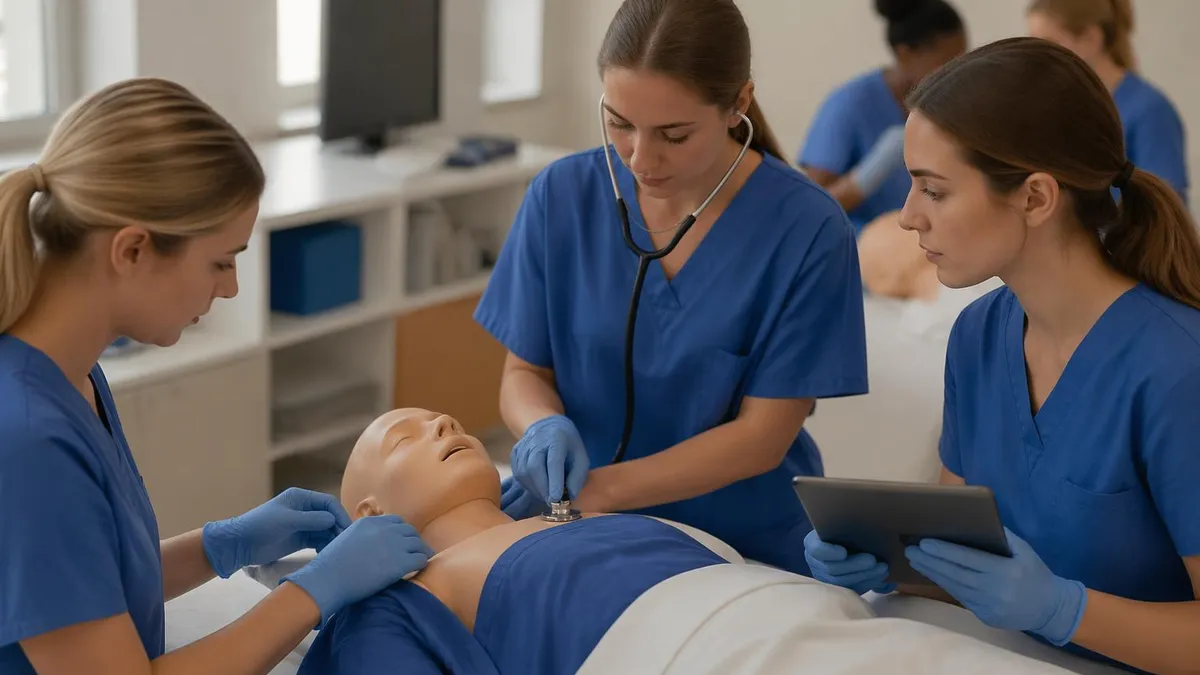
Restorative CNA: Duties, Training, Salary & How to Get Started

CNA Hospital Jobs Near Me: How to Find, Apply & Get Hired in 2026

Goodwill CNA Program: Free Classes, Costs, and How to Enroll

Hospice CNA: Duties, Salary, Per Diem Work & How to Get Started
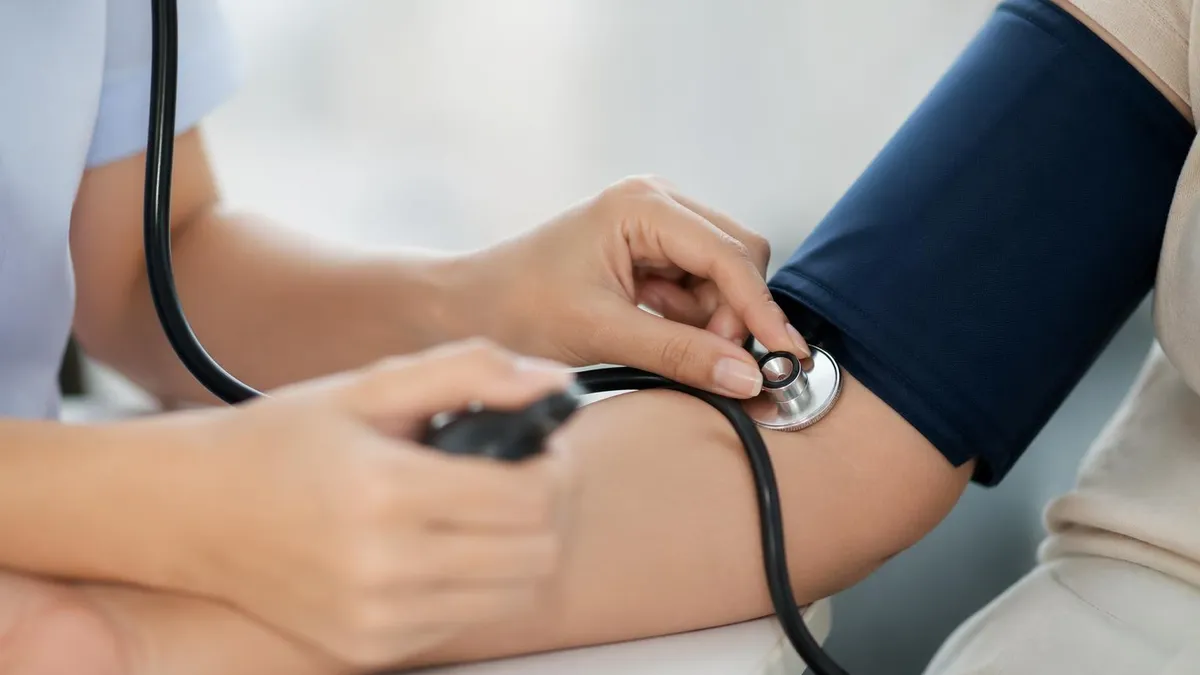
4-Week CNA Program: Online Options, State Programs & How to Enroll
About the Author

Registered Nurse & Healthcare Educator
Johns Hopkins University School of NursingDr. Sarah Mitchell is a board-certified registered nurse with over 15 years of clinical and academic experience. She completed her PhD in Nursing Science at Johns Hopkins University and has taught NCLEX preparation and clinical skills courses for nursing students across the United States. Her research focuses on evidence-based exam preparation strategies for healthcare certification candidates.
Join the Discussion
Connect with other students preparing for this exam. Share tips, ask questions, and get advice from people who have been there.
View discussion (8 replies)