
CMA Training: Your Complete Guide to Becoming a Certified Medical Assistant in 2026 October
Everything you need to know about CMA training: 💯 programs, salary, jobs, and how to become a certified medical assistant in 2026 October.

A certified medical assistant program is one of the fastest pathways into a stable, rewarding healthcare career in the United States. Whether you are drawn to patient-facing clinical work or prefer behind-the-scenes administrative duties, CMA training equips you with a versatile skill set that employers across every type of medical setting actively seek. In 2026, demand for credentialed medical assistants continues to outpace supply, making this an ideal moment to invest in your credentials and launch your career.
CMA training typically combines classroom instruction, hands-on lab work, and a supervised clinical externship. Students learn everything from taking vital signs and drawing blood to managing patient records and processing insurance claims. This dual focus on cma training for both clinical and administrative tasks is what makes the CMA credential so valuable — you become a utility player capable of supporting physicians, nurses, and office managers simultaneously, which directly translates to job security and advancement potential.
The classes for certified medical assistant vary in length depending on the institution and delivery format. Certificate or diploma programs can be completed in as few as nine to twelve months, while associate degree tracks generally run twenty-four months and include a broader liberal arts foundation. Both pathways lead to eligibility for the AAMA's CMA (AAMA) examination, which is the gold standard credential recognized by most employers nationwide and required for many hospital-based positions.
Understanding how to become a certified medical assistant starts with choosing the right program. Accreditation matters enormously — only graduates of programs accredited by CAAHEP or ABHES are eligible to sit for the CMA (AAMA) exam. Community colleges, career schools, and online hybrid institutions all offer accredited options, so prospective students have genuine flexibility in terms of schedule, cost, and learning format when weighing their choices carefully.
Certified medical assistant salary figures are a common motivator for entering the field, and the numbers are encouraging. The Bureau of Labor Statistics reports a median annual wage of approximately $42,000 for medical assistants, but credentialed CMAs consistently earn more, with many reaching $50,000 to $65,000 or higher in specialized or high-cost-of-living markets. Specialty clinics, surgical centers, and urgent care facilities often pay premium rates to attract and retain credentialed professionals who can handle both clinical and administrative responsibilities without additional training time.
Certified medical assistant jobs span virtually every corner of the healthcare industry. Physician offices remain the largest employer, but hospitals, outpatient surgery centers, dermatology and cardiology specialty practices, and telehealth companies all actively recruit CMAs. The profession is also expanding into new roles in chronic disease management, remote patient monitoring coordination, and value-based care navigation — areas that offer both higher compensation and deeper patient relationships than traditional front-desk or exam-room positions.
This guide covers everything you need to succeed — from selecting an accredited certified medical assistant program to understanding the exam, managing the cost of training, and landing your first CMA job. We have also included salary benchmarks by state, a checklist for exam readiness, and links to free practice tests so you can walk into the CMA (AAMA) examination fully prepared and confident in your knowledge.
CMA Training & Career by the Numbers

Types of Certified Medical Assistant Programs
The fastest route to CMA eligibility, typically nine to twelve months. Focuses tightly on medical assisting competencies and includes a required externship. Ideal for career changers and those who need to enter the workforce quickly without a lengthy academic commitment.
A two-year accredited track offered primarily at community colleges. Pairs core medical assisting coursework with general education credits, making it easier to transfer toward a bachelor's degree in health administration or nursing down the road if your goals evolve.
Lecture content is delivered online for maximum flexibility, while lab skills and the clinical externship are completed locally at affiliated sites. CAAHEP and ABHES both accredit hybrid formats, making this an increasingly popular choice among working adults with scheduling constraints.
Offered by NHA, this credential emphasizes clinical skills — phlebotomy, EKG, injections — with less administrative depth than the AAMA CMA. It requires no specific program enrollment, making it accessible to those with existing hands-on healthcare experience who want formal recognition.
Also credentialed through NHA, the CMAA pathway focuses on scheduling, billing, coding, and front-office management. It suits individuals who excel at organization and communication and prefer administrative duties over clinical tasks such as specimen collection or patient prep work.
Classes for certified medical assistant training cover a remarkably broad curriculum — that breadth is precisely what makes the credential so attractive to employers who need staff capable of moving fluidly between the front desk and the exam room. Core clinical modules typically address anatomy and physiology, medical terminology, phlebotomy and venipuncture, electrocardiography, medication administration, infection control protocols, and basic laboratory procedures. Students practice these skills in simulated lab environments before applying them during the supervised externship hours required for program completion.
Administrative coursework is equally comprehensive in any accredited program. Students learn to navigate electronic health record platforms, process insurance claims, apply ICD-10 and CPT coding basics, schedule appointments, manage patient correspondence, and maintain compliance with HIPAA privacy regulations. The administrative strand of CMA training is what sets the credential apart from single-discipline certifications like phlebotomy technician or EKG technician, because it prepares graduates to support the entire revenue cycle and patient communication workflow of a medical practice.
Medical law and ethics is a required component of virtually every accredited program and also a weighted domain on the CMA (AAMA) examination. Topics include informed consent, scope of practice, mandatory reporting obligations, the Patient Bill of Rights, and the legal implications of documentation errors. Understanding these frameworks is not merely an academic exercise — it protects patients, shields employers from liability, and protects your own professional license from the very first day you practice in a clinical setting.
Pharmacology for medical assistants is another critical module. Students learn drug classifications, routes of administration, common side effects, calculation of dosages, and safe handling of controlled substances. While CMAs do not prescribe medications, they are frequently responsible for preparing injections, administering oral medications under physician supervision, and educating patients about their prescriptions. A solid pharmacology foundation prevents medication errors and reinforces your credibility with supervising physicians who rely on your attention to detail.
The clinical externship is often described by graduates as the most significant part of the program. Typically running 160 to 200 hours, the externship places students in real medical offices, clinics, or hospital outpatient departments where they perform CMA duties under the supervision of a licensed healthcare provider. This experience bridges the gap between classroom knowledge and professional competency, allowing students to refine clinical technique, adapt to workplace culture, and begin building the professional network that often leads directly to their first job offer.
Program selection should prioritize CAAHEP or ABHES accreditation above all other factors. Attending a non-accredited program may result in a diploma that no major employer recognizes and no certification body will accept for examination eligibility. Before enrolling, verify accreditation status directly on the CAAHEP or ABHES website, confirm that the program includes a clinical externship placement service, and review the graduation and certification pass rates that the school is required to disclose to prospective students under federal regulations governing career education institutions.
Financial aid is widely available for accredited CMA programs. Community college programs often cost $5,000 to $12,000 in total tuition and fees and qualify for federal Pell Grants and subsidized loans. Proprietary career schools may charge $15,000 to $30,000 but offer aggressive scholarship programs and employer tuition reimbursement partnerships. Workforce development grants through state labor departments sometimes cover the full cost for eligible applicants who commit to working in an underserved medical community after graduation, which is worth exploring before signing any enrollment agreement.
Certified Medical Assistant Salary, Jobs & Income by Setting
Certified medical assistant salary varies significantly by geography. California leads the nation with a mean annual wage above $48,000, followed by Washington, Massachusetts, and Alaska — all states with higher costs of living and strong union or collective bargaining cultures in healthcare. Southern and Midwestern states such as Mississippi and Arkansas report lower averages around $34,000 to $36,000, but the cost of living differential means real purchasing power may be comparable to higher-wage coastal markets.
Metro areas consistently outperform statewide averages. San Francisco, Seattle, Boston, and New York City CMAs often earn $55,000 to $68,000, while rural CMAs in the same states may earn $38,000 to $44,000. Specialty clinics — particularly dermatology, oncology, and plastic surgery practices — pay a premium in any geography, and CMAs who obtain additional certifications in phlebotomy or EKG interpretation can negotiate meaningfully higher certified medical assistant income without changing employers.

Is a Certified Medical Assistant Program Worth It?
- +Programs can be completed in as little as nine months, allowing rapid entry into a paying healthcare career
- +CMA credential is recognized nationwide and accepted by virtually all healthcare employers across multiple settings
- +Dual clinical and administrative training creates job versatility unmatched by single-discipline healthcare certifications
- +Strong and growing job market — BLS projects 16% employment growth through 2032, much faster than average
- +Multiple accredited pathways available including in-person, online hybrid, and evening/weekend schedules for working adults
- +Clear advancement pathways into nursing, health administration, or medical coding without starting education over from scratch
- −Starting salary of $36,000 to $42,000 can feel low relative to the breadth of clinical skills the job actually requires daily
- −Non-accredited programs exist and can trap students in expensive coursework that yields zero exam eligibility
- −Physical demands are real — CMAs spend much of the shift on their feet performing tasks that require precise manual dexterity
- −CMA (AAMA) exam pass rate averages around 67%, meaning preparation gaps can result in a costly and demoralizing failure
- −Credential must be renewed every five years through continuing education or re-examination, adding an ongoing time and cost commitment
- −Scope of practice limitations mean CMAs cannot diagnose, prescribe, or perform procedures reserved for licensed clinicians regardless of experience
CMA Exam Readiness Checklist: 10 Steps Before Test Day
- ✓Verify your program holds current CAAHEP or ABHES accreditation before your graduation date
- ✓Submit the AAMA CMA (AAMA) examination application at least 60 days before your intended test date
- ✓Complete all required clinical externship hours and obtain your program director's signature on the application
- ✓Download the current AAMA Content Outline and map every major topic to your study schedule by week
- ✓Take a full-length timed practice test for certified medical assistant content within the first two weeks of studying
- ✓Identify your two weakest content domains and allocate double study time to those specific areas each week
- ✓Review medical law, ethics, and HIPAA regulations using real-world case scenarios rather than pure memorization
- ✓Practice pharmacology dosage calculations daily using the metric system until accuracy reaches 95% or higher
- ✓Join a study group or online forum where fellow CMA candidates share exam tips and practice questions regularly
- ✓Schedule your exam at a Prometric testing center when your practice test scores consistently exceed 75% correct
CAAHEP or ABHES Accreditation Is Non-Negotiable
Only graduates of CAAHEP- or ABHES-accredited programs are eligible to sit for the CMA (AAMA) examination. Before signing any enrollment agreement or paying any deposit, verify the program's accreditation status directly at caahep.org or abhes.org — not just on the school's own website. Attending a non-accredited program can cost you $10,000 to $30,000 in tuition and a full year of your time while leaving you ineligible for the credential that most employers require for clinical medical assistant positions.
The distinction between a certified clinical medical assistant and a certified medical administrative assistant reflects the two fundamental role families within the profession. Clinical CMAs spend the majority of their shift in the exam rooms, performing patient intake, administering injections, collecting specimens, operating diagnostic equipment, assisting with minor procedures, and relaying physician orders. Administrative CMAs handle scheduling, insurance verification, billing, coding, referral coordination, and patient communication — the operational backbone that keeps a practice financially healthy and legally compliant across every working day.
In practice, most employers — especially smaller physician offices and urgent care centers — prefer CMAs who are cross-trained in both domains. A single employee who can take vitals and draw blood in the morning, then switch to processing prior authorizations and resolving claim denials in the afternoon, delivers enormous operational value that justifies a higher salary than a narrowly specialized worker. This versatility is the strategic advantage of completing a full CMA program rather than pursuing a single-skill certification in phlebotomy or medical coding alone.
Certified clinical medical assistant credentials issued by the National Healthcareer Association (NHA) are distinct from the AAMA's CMA (AAMA) and occupy a different tier in employer recognition. The CCMA requires passing the NHA's exam and does not mandate graduation from an accredited formal program, making it more accessible for individuals with informal clinical experience. However, major health systems, hospital-affiliated practices, and many specialty clinics specifically require the AAMA credential, so understanding which employers accept which credentials in your target market is essential before choosing your certification path.
The certified medical administrative assistant (CMAA) credential, also from the NHA, is ideal for individuals who want to work exclusively in medical front-office roles without clinical exposure. CMAA holders manage patient check-in, verify insurance eligibility, schedule referrals, process payments, and handle medical records requests. The role is less physically demanding than clinical positions but requires exceptional organizational skills, proficiency with EHR software, strong knowledge of CPT and ICD-10 coding, and a customer-service orientation that keeps patient satisfaction scores high across every interaction.
How to become a certified medical assistant through the AAMA pathway follows a predictable sequence: enroll in an accredited program, complete coursework and externship, graduate, apply to the AAMA, and pass the CMA (AAMA) exam within 12 months of graduation (or within 60 days before graduation under the recent-graduate eligibility window). The exam is offered year-round at Prometric testing centers across the country and consists of 200 questions — 180 scored and 20 unscored pretest items — spanning General, Administrative, and Clinical content domains that mirror the curriculum of any accredited training program.
Recertification after the initial five-year cycle can be achieved either by retaking the exam or by earning 60 Continuing Education Units (CEUs) through AAMA-approved professional development activities. Most working CMAs find the CEU route more practical, accumulating units through employer-sponsored in-services, AAMA chapter events, online courses, and attendance at medical assistant conferences. Keeping your recertification current is not optional — lapsed credentials cannot be listed on a resume or disclosed to patients without risking disciplinary action from the AAMA's certification program office and potential employer termination.
Specialty areas within clinical medical assisting are expanding rapidly as healthcare delivery evolves. CMAs who train in behavioral health integration can support psychiatrists and counselors in outpatient mental health clinics. Those with oncology experience assist with chemotherapy infusion monitoring and side-effect education. Aesthetic medicine practices — dermatology, plastic surgery, med spas — specifically recruit CMAs with laser safety training. Each specialty niche typically offers higher compensation and deeper professional satisfaction than generalist roles, and most specialty skills can be acquired through short continuing education programs layered on top of the core CMA credential over time.

CMA (AAMA) exam eligibility for recent graduates expires 12 months after graduation. If you miss this window, you must re-apply and may need to meet updated eligibility requirements. Submit your application as soon as your program director signs off — do not wait until you feel fully ready to schedule the exam, because preparation can continue after you secure your testing appointment and confirm your eligibility window is protected.
A practice test for certified medical assistant preparation is arguably the single most effective study tool available, and using one early in your study cycle — not just in the final week — produces measurably better outcomes. Diagnostic practice testing reveals your knowledge gaps before they become exam-day failures, allowing you to redirect study time toward the specific content areas where your accuracy is lowest.
The CMA (AAMA) exam draws questions from a published content outline that weights General (38%), Administrative (28%), and Clinical (34%) domains, so a practice test that mirrors this distribution gives you a statistically valid preview of your actual exam experience.
Timed practice is equally important as content accuracy. The CMA (AAMA) exam allows 160 minutes for 200 questions, which works out to approximately 48 seconds per question. Candidates who do not practice under timed conditions consistently report running out of time on the real exam, which forces rushed guessing on the final 20 to 30 questions and drags down scores that would otherwise pass. Set a countdown timer every time you complete a practice section, and track your pace improvement week over week as your automatic recall of frequently tested content speeds up naturally.
Question review is as important as answering questions in the first place. After every practice session, review every question you missed — not to memorize the specific answer, but to understand the principle being tested and why the correct answer is correct according to clinical or administrative best practice. The CMA (AAMA) exam tests application and critical thinking as much as factual recall, so understanding the reasoning behind correct answers prepares you for novel question phrasings that test the same underlying competency from a different angle.
Study schedules that distribute preparation across eight to twelve weeks outperform cramming approaches in documented certification exam research. A sustainable model might look like this: Weeks 1 and 2 cover anatomy, physiology, and medical terminology review. Weeks 3 and 4 address administrative procedures and medical law. Weeks 5 and 6 tackle clinical procedures and pharmacology. Weeks 7 and 8 focus on laboratory procedures and infection control. Weeks 9 through 12 involve full-length practice tests, targeted review of weak domains, and exam logistics preparation including travel planning and test-center dry runs.
Study groups offer advantages that solo study cannot replicate. Explaining a concept to a peer — teaching it rather than just reading it — forces a depth of processing that consolidates long-term retention far more effectively than passive review. Online communities for CMA candidates exist on Reddit, Facebook, and Discord, where members share practice questions, discuss tricky pharmacology calculations, post employer interview tips, and provide moral support during the stressful weeks leading up to exam day. Engaging with these communities also exposes you to a wider variety of clinical scenarios and workplace situations than any single textbook can cover.
The AAMA offers its own official study resources, including a CMA (AAMA) Study Guide and a practice exam product available through the organization's online store. These resources are developed by the same team that writes the actual exam, which means the terminology, question style, and content emphasis are perfectly aligned with what you will encounter at the Prometric center. Third-party study materials — including the free practice questions available on PracticeTestGeeks — complement official resources by providing additional question volume and varied explanations that help solidify your conceptual understanding from multiple pedagogical angles.
Mental and physical preparation matters as much as content review in the final days before the exam. Adequate sleep — at least seven hours per night — measurably improves recall and processing speed during high-stakes testing situations. Avoid scheduling the exam during peak personal stress periods such as a family move, major work deadline, or health challenge if you can choose your test date flexibly.
Arriving at the Prometric center 30 minutes early, bringing required identification, and knowing the center's policies on personal items eliminates logistical anxiety that can otherwise crowd out the clinical knowledge you have worked hard to build over months of preparation.
Once you pass the CMA (AAMA) examination and earn your credential, the job search process becomes substantially more straightforward than it is for uncredentialed applicants. Update your resume immediately to display the CMA (AAMA) designation after your name, and list your AAMA certification number — employers in larger health systems routinely verify credentials through the AAMA's online registry before extending an offer. A credential that cannot be verified is treated as a discrepancy, not a technicality, and can result in a rescinded offer even after weeks of interviews and background checks.
Your clinical externship is your most powerful job search asset at graduation. The practice or clinic where you completed your externship already knows your clinical accuracy, your punctuality, and your professionalism under supervision. Many CMAs receive their first job offer from their externship site — either directly or through a referral to a partner practice in the same medical group. Cultivate that relationship throughout your externship hours by asking thoughtful questions, volunteering for additional procedures when appropriate, and expressing genuine interest in the site's patient population and mission.
Networking through the AAMA's state and local chapters provides access to job boards, mentorship programs, and continuing education events that are not visible to the general public. Chapter meetings connect you with experienced CMAs who can speak candidly about specific employers, hiring managers, and workplace cultures in your local market — intelligence that a job listing alone cannot provide. Joining your chapter as a student member during the program, rather than waiting until graduation, gets you into these networks months earlier and positions you ahead of peers who begin networking only after they have passed the exam.
Salary negotiation is appropriate and expected when you receive a job offer as a newly credentialed CMA. Research the market rate for your geographic area using BLS Occupational Employment Statistics, AAMA salary surveys, and platforms like Indeed and Glassdoor before entering any negotiation conversation.
Come prepared with specific data — not just a desired number — and frame your ask around the market rate for credentialed CMAs rather than your personal financial needs. Employers who value the CMA credential understand the investment candidates have made to earn it and will generally negotiate within a reasonable range, particularly if you bring externship experience in their specialty area.
Continuing education should begin before your first recertification cycle arrives. The AAMA provides CEU opportunities through its annual conference, regional events, and online learning portal, and many employers offer paid study time and reimbursement for approved continuing education expenses. Identifying two to three specialty skill areas you want to develop in your first five years — whether that is phlebotomy certification, EHR super-user training, or specialty clinical skills in cardiology or dermatology — creates a professional development roadmap that serves both your career goals and your recertification requirements simultaneously, so no learning time is wasted on duplicative or irrelevant content.
Mentorship from an experienced CMA or healthcare supervisor accelerates your professional growth more than any formal coursework after graduation. A good mentor provides honest performance feedback, introduces you to professional networks, advises you on workplace politics and conflict resolution, and helps you identify advancement opportunities before they are posted publicly. If your employer does not have a formal mentorship program, request an informal arrangement with a senior CMA or office manager who has navigated a career path you admire — most experienced professionals are genuinely willing to share guidance when asked directly and respectfully during a one-on-one conversation.
The long-term outlook for credentialed medical assistants in the United States is exceptionally positive. An aging population, expanding insurance coverage, and the shift toward outpatient and preventive care are all structural forces driving demand for qualified CMAs at a pace that training program supply has not yet caught up with. Credentialed professionals who stay current, seek specialty training, and actively participate in professional organizations will find themselves in an enviable position — high demand, multiple advancement pathways, and the deep satisfaction of contributing meaningfully to patient health and wellbeing every single day on the job.
CMA Questions and Answers

RMA vs CMA: Complete 2026 Comparison of Medical Assistant Certifications

CMA Online Program: Your Complete Guide to Certified Medical Assistant Training in 2026
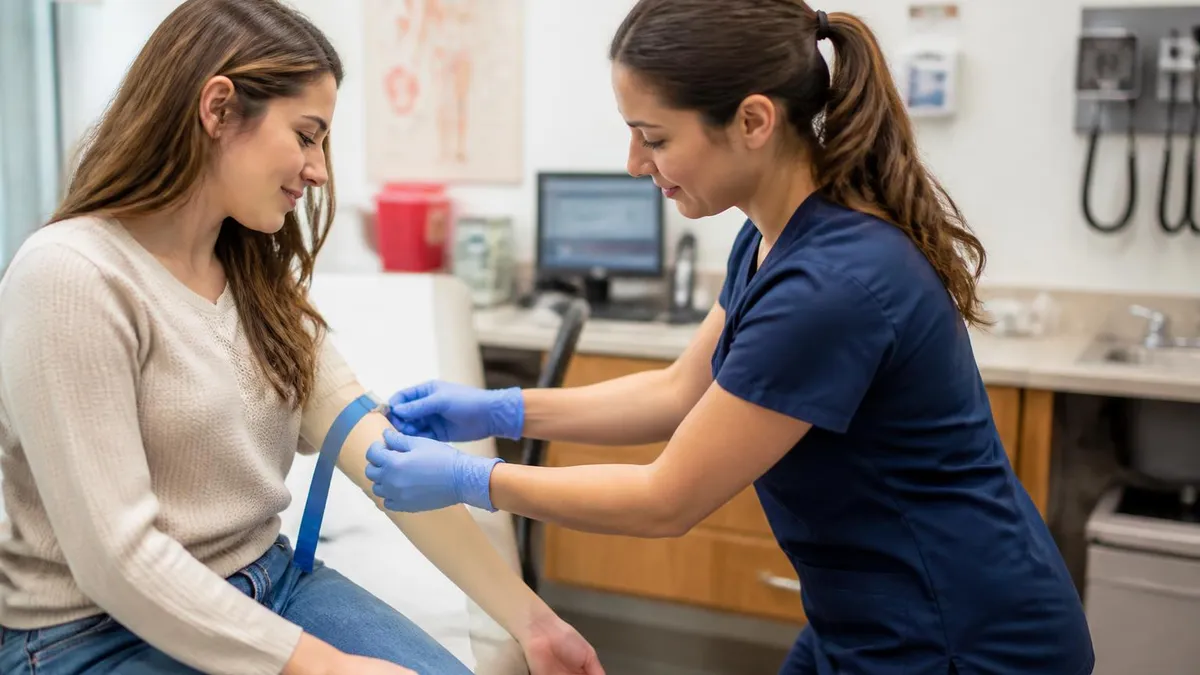
CMA Certification Cost: The Complete 2026 Price Breakdown
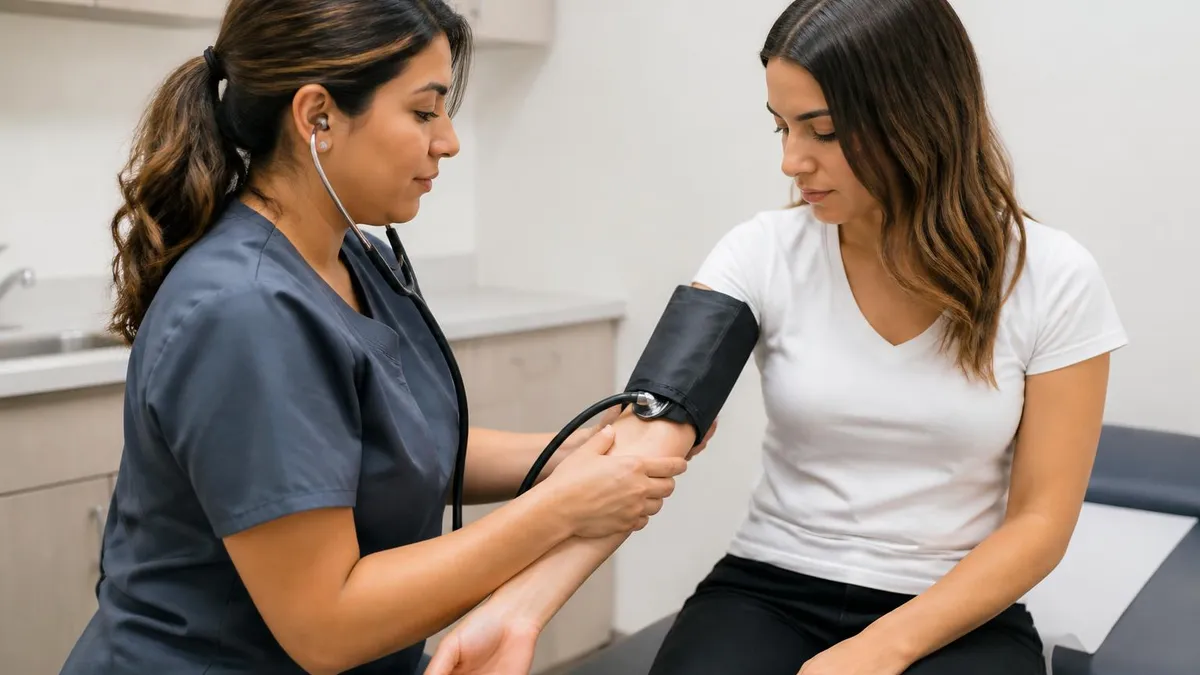
Certified Medical Assistant Certification Online: Reality, Programs & Path (2026)

CMA Practice Exam: Free Questions, Format & 2026 Pass Strategy
About the Author

Educational Psychologist & Academic Test Preparation Expert
Columbia University Teachers CollegeDr. Lisa Patel holds a Doctorate in Education from Columbia University Teachers College and has spent 17 years researching standardized test design and academic assessment. She has developed preparation programs for SAT, ACT, GRE, LSAT, UCAT, and numerous professional licensing exams, helping students of all backgrounds achieve their target scores.