

CHP Practice Test
Updated for October 2026CHP (Certified Hijama Practitioner) are certified professionals trained in the art and science of Hijama, a traditional therapy also known as cupping. This ancient practice has gained popularity as a complementary treatment, primarily in holistic and alternative medicine fields. With more healthcare practitioners exploring integrative therapies, becoming a certified Hijama practitioner opens unique opportunities in both alternative and complementary healthcare settings.
This guide provides essential information on obtaining certification, understanding salary expectations, exploring job opportunities, and identifying key steps in starting a career as a Hijama practitioner.
CHP Practice Test Questions
Prepare for the CHP - Certified Hijama Practitioner exam with our free practice test modules. Each quiz covers key topics to help you pass on your first try.
CHP Anatomical Points & Cupping Sites
CHP Exam Questions covering Anatomical Points & Cupping Sites. Master CHP Test concepts for certification prep.
CHP Anatomy & Physiology Related to Hijama
Free CHP Practice Test featuring Anatomy & Physiology Related to Hijama. Improve your CHP Exam score with mock test prep.
CHP Business & Ethics in Hijama Practice
CHP Mock Exam on CHP Business & Ethics in Hijama Practice. CHP Study Guide questions to pass on your first try.
CHP Traditional Medicine Integration & Hol...
CHP Test Prep for CHP Traditional Medicine Integration & Holistic Approaches. Practice CHP Quiz questions and boost your score.
CHP Contraindications & Precautions
CHP Questions and Answers on Contraindications & Precautions. Free CHP practice for exam readiness.
CHP Dry Cupping Methods & Applications
CHP Mock Test covering Dry Cupping Methods & Applications. Online CHP Test practice with instant feedback.
CHP Equipment & Tools for Hijama Practice
Free CHP Quiz on Equipment & Tools for Hijama Practice. CHP Exam prep questions with detailed explanations.
CHP Health Benefits & Contraindications
CHP Practice Questions for Health Benefits & Contraindications. Build confidence for your CHP certification exam.
CHP Hijama Cupping Theory & History
CHP Test Online for Hijama Cupping Theory & History. Free practice with instant results and feedback.
CHP Hijama Safety & Sterilization
CHP Study Material on Hijama Safety & Sterilization. Prepare effectively with real exam-style questions.
CHP Hijama Techniques & Procedures
Free CHP Test covering Hijama Techniques & Procedures. Practice and track your CHP exam readiness.
CHP Patient Assessment for Hijama
CHP Exam Questions covering Patient Assessment for Hijama. Master CHP Test concepts for certification prep.
CHP Post-Treatment Care & Documentation
Free CHP Practice Test featuring Post-Treatment Care & Documentation. Improve your CHP Exam score with mock test prep.
Key Takeaways
Free CHP Practice Test Online
Hijama Certification: Becoming a Certified Hijama Practitioner involves specialized training and certification focused on cupping therapy.
Salary Potential: Hijama practitioners’ earnings can vary based on location, experience, and practice setting, with many opportunities for growth in alternative medicine markets.
Career Options: Certified Hijama Practitioners can work in wellness centers, alternative clinics, or private practice, often providing holistic support for clients seeking alternative pain and stress relief.
Client Benefits: Hijama offers benefits such as pain relief, improved circulation, detoxification, and stress reduction, making it an appealing option in holistic healthcare.
How to Become a Certified Hijama Practitioner
If you're interested in a career as a Hijama practitioner, there are several steps to becoming certified:
- Educational Requirements: Generally, Hijama certification programs require a minimum high school diploma. Additional coursework in anatomy, physiology, and pathology is often included to provide foundational medical knowledge.
Training Program: Look for a reputable Hijama training program accredited by a recognized body. These programs offer comprehensive instruction on cupping techniques, safety, hygiene, and client management. Training typically includes both theoretical and practical components.
Certification Exam: After completing a training program, you’ll need to pass a certification exam. This test assesses your knowledge and practical skills, ensuring you're prepared to work safely and effectively.
Continuing Education: Some certifying bodies require ongoing education to maintain your certification. This helps practitioners stay updated on best practices and emerging trends in cupping therapy.
Hijama Practitioner Salary Expectations
The salary of a CHP (Certified Hijama Practitioner) varies based on location, level of experience, and practice setting. However, as interest in complementary therapies grows, practitioners can expect a competitive income, particularly in areas with a high demand for alternative medicine.
Key salary factors include:
Experience: More experienced practitioners often command higher fees and have more clients, boosting their earnings.
Location: Urban areas or regions with a strong demand for alternative therapies typically offer higher earning potential.
Type of Practice: Those who work in established healthcare facilities may have a stable income, while self-employed practitioners may earn more but have variable incomes depending on their client base.
Job Opportunities for Certified Hijama Practitioners
CHP (Certified Hijama Practitioner) can pursue various career paths across both traditional and non-traditional healthcare settings. Some potential job opportunities include:
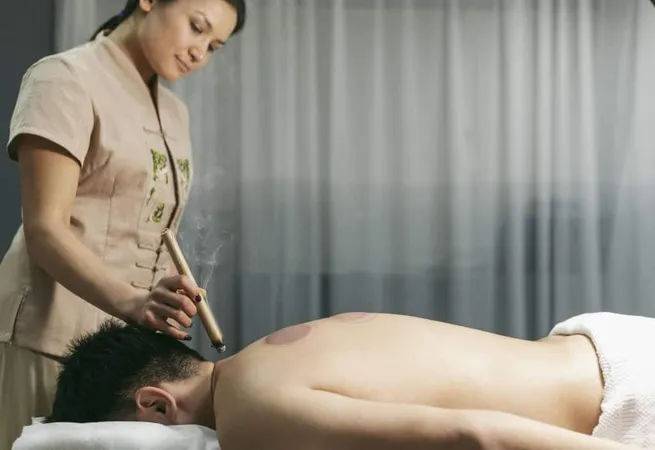
Wellness Centers and Spas: Many wellness centers offer Hijama therapy alongside other treatments like massage and acupuncture. Practitioners in these settings may work as employees or independent contractors.
Alternative Medicine Clinics: Alternative clinics are often interested in hiring Hijama practitioners to expand their service offerings, particularly where there is a demand for non-invasive pain management.
Private Practice: Starting a private Hijama practice allows practitioners to work independently, set their schedules, and establish a dedicated client base. Self-employment can be a rewarding choice, though it requires an entrepreneurial mindset.
Collaborative Roles in Integrative Health Settings: As integrative health grows, there is a demand for Hijama practitioners to work alongside other healthcare providers in clinics focused on holistic health.
The Benefits of Hijama Therapy
CHP (Certified Hijama Practitioner) are increasingly valued as more people seek holistic and non-pharmaceutical options for managing health conditions. Some of the potential benefits of Hijama therapy include:
Pain Relief: Hijama is often used to relieve chronic pain, particularly in the back, shoulders, and neck. The suction applied to targeted areas can stimulate blood flow and reduce muscle tension.
Enhanced Circulation: By promoting better circulation, Hijama may aid in healing tissues, reducing inflammation, and supporting the body’s natural healing processes.
Detoxification: Cupping is sometimes believed to help detoxify the body by removing toxins and improving lymphatic flow, although scientific evidence is still being explored.
Stress Reduction: Many clients find Hijama therapy relaxing and beneficial for reducing stress, which contributes to overall wellness.
Steps to Starting a Hijama Practice
If you're considering starting your Hijama practice, here are some essential steps:
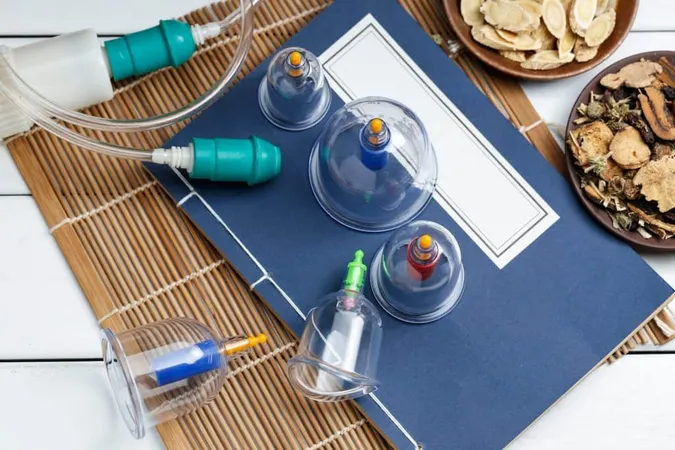
Secure Certification: Ensure that you complete all certification requirements. Certification demonstrates to clients that you are qualified and have undergone formal training.
Choose a Location: Decide if you’ll work from home, rent a space, or join a wellness center. Location can influence your client base and overall business success.
Market Your Services: Use social media, a professional website, and local advertising to promote your services. Educate potential clients on the benefits of Hijama and what sets your practice apart.
Set Pricing and Business Policies: Determine your pricing structure, cancellation policies, and client intake forms. Transparency in pricing and policies builds trust with your clients.
Ongoing Education: Consider taking advanced courses in Hijama or complementary therapies to offer more services and enhance your professional skills.
Conclusion
A career as a CHP (Certified Hijama Practitioner) offers a unique and rewarding opportunity in the growing field of alternative and complementary medicine. By completing specialized training, earning certification, and establishing a practice, you can provide valuable services to clients seeking natural approaches to health and wellness. Hijama therapy aligns with holistic principles, emphasizing non-invasive, traditional practices to promote well-being.
Becoming a Hijama practitioner involves commitment to learning, client care, and the continuous development of skills. Whether working in a wellness center or establishing a private practice, certified practitioners play a crucial role in helping individuals achieve balanced health through Hijama therapy.
- +Validates your knowledge and skills objectively
- +Increases job market competitiveness
- +Provides structured learning goals
- +Networking opportunities with other certified professionals
- −Study materials can be expensive
- −Exam anxiety can affect performance
- −Requires dedicated preparation time
- −Retake fees apply if you don't pass
Pros and Cons at a Glance
| Pros | Cons |
|---|---|
| Validates your knowledge and skills objectively | Study materials can be expensive |
| Increases job market competitiveness | Exam anxiety can affect performance |
| Provides structured learning goals | Requires dedicated preparation time |
| Networking opportunities with other certified professionals | Retake fees apply if you don't pass |
Sample Certified Hijama Practitioner Practice Questions
Try these questions from our free Certified Hijama Practitioner practice tests. The correct answer and an explanation follow each question.
A patient with active tuberculosis requests hijama. What is the correct response?
- A. Proceed but use dry cupping only
- B. Defer treatment until the infection is fully resolved and cleared by physician
- C. Treat areas away from the lungs without restriction
- D. Perform hijama to boost immunity against the infection
Answer: B. Defer treatment until the infection is fully resolved and cleared by physician
Active infectious diseases like tuberculosis are a systemic contraindication; treatment must be deferred until the patient is cleared by their physician.
Which immunological benefit has been proposed for regular hijama therapy?
- A. Permanent suppression of the immune response
- B. Stimulation of immune cell activity and improved immune surveillance
- C. Reduction of white blood cell counts to baseline
- D. Elimination of autoimmune responses
Answer: B. Stimulation of immune cell activity and improved immune surveillance
Hijama is proposed to stimulate immune function by activating macrophages and improving the body's overall immune surveillance capacity.
For hypertension, which cupping site is most classically recommended in Hijama practice?
- A. The suboccipital region and posterior neck (BL-10/GV-15 area)
- B. The sternum and anterior chest
- C. The dorsum of the hands bilaterally
- D. The medial malleolus area of both ankles
Answer: A. The suboccipital region and posterior neck (BL-10/GV-15 area)
The suboccipital and posterior neck area is the primary Hijama site for hypertension, believed to reduce excess pressure in the head and upper body.
Which ancient Egyptian medical text, dating to approximately 1550 BCE, contains some of the earliest recorded references to cupping therapy?
- A. The Edwin Smith Papyrus
- B. The Ebers Papyrus
- C. The Kahun Papyrus
- D. The Hearst Papyrus
Answer: B. The Ebers Papyrus
The Ebers Papyrus, one of the oldest medical documents, describes the use of cupping for various ailments including fever and pain.
(CHP) Certified Hijama Practitioner Questions and Answers
About the Author

Certified Professional Development Expert & Niche Certification Advisor
University of Pennsylvania Graduate School of EducationDr. Alexandra Kim holds a PhD in Professional Studies from the University of Pennsylvania and is a Certified Professional in Learning and Performance (CPLP) and Certified Professional in Talent Development (CPTD). With 17 years of corporate training and professional certification advisory experience, she helps professionals navigate specialized, emerging, and cross-industry certification programs.
Join the Discussion
Connect with other students preparing for this exam. Share tips, ask questions, and get advice from people who have been there.
View discussion (9 replies)