

CET Practice Test
Updated for October 2026The Certified Electrocardiogram Technician (CET) plays an essential role in the early detection and diagnosis of heart conditions. As cardiovascular diseases remain a leading cause of death globally, professionals trained in electrocardiography are in high demand. CETs perform diagnostic tests like EKGs, Holter monitoring, and stress testing, providing critical data that helps physicians evaluate and treat heart problems. Certification not only confirms your competence in performing these procedures but also enhances your employability and credibility in the healthcare field.
CET Practice Test Questions
Prepare for the CET - Certified Electrocardiogram Technician exam with our free practice test modules. Each quiz covers key topics to help you pass on your first try.
CET 12-Lead ECG Interpretation
CET Exam Questions covering 12-Lead ECG Interpretation. Master CET Test concepts for certification prep.
CET Arrhythmia Recognition & Classification
Free CET Practice Test featuring Arrhythmia Recognition & Classification. Improve your CET Exam score with mock test prep.
CET Cardiac Anatomy & Physiology
CET Mock Exam on Cardiac Anatomy & Physiology. CET Study Guide questions to pass on your first try.
CET Cardiac Pharmacology Effects on ECG
CET Test Prep for Cardiac Pharmacology Effects on ECG. Practice CET Quiz questions and boost your score.
CET ECG Reporting & Documentation
CET Questions and Answers on CET ECG Reporting & Documentation. Free CET practice for exam readiness.
CET Patient Preparation & Safety
CET Mock Test covering CET Patient Preparation & Safety. Online CET Test practice with instant feedback.
CET ECG Artifact Troubleshooting
Free CET Quiz on ECG Artifact Troubleshooting. CET Exam prep questions with detailed explanations.
CET ECG Equipment Operation & Maintenance
CET Practice Questions for ECG Equipment Operation & Maintenance. Build confidence for your CET certification exam.
CET Electrolyte Imbalances & ECG Changes
CET Test Online for Electrolyte Imbalances & ECG Changes. Free practice with instant results and feedback.
CET Emergency Cardiac Monitoring
CET Study Material on Emergency Cardiac Monitoring. Prepare effectively with real exam-style questions.
CET Holter Monitoring & Ambulatory ECG
Free CET Test covering Holter Monitoring & Ambulatory ECG. Practice and track your CET exam readiness.
CET Lead Placement & Recording Procedures
CET Exam Questions covering Lead Placement & Recording Procedures. Master CET Test concepts for certification prep.
CET Pediatric ECG Considerations
Free CET Practice Test featuring Pediatric ECG Considerations. Improve your CET Exam score with mock test prep.
Key Takeaways
Free CET Practice Test Online
The CET credential verifies expertise in EKG testing, cardiac monitoring, and patient care.
Certification is commonly offered by organizations such as NHA (National Healthcareer Association).
Electrocardiogram technicians work in hospitals, clinics, outpatient centers, and diagnostic labs.
Training programs are short and accessible, often completed in under a year.
Certification boosts job prospects and serves as a stepping stone to advanced cardiac care roles.
What is a Certified Electrocardiogram Technician?
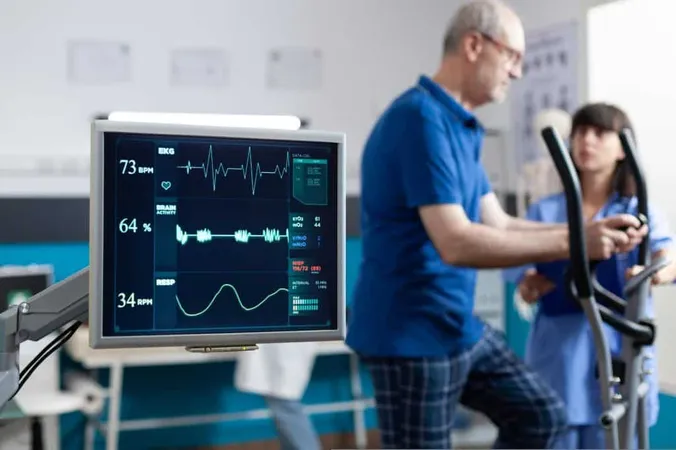
A Certified Electrocardiogram Technician is a healthcare professional trained to perform electrocardiogram (EKG or ECG) tests, which measure the electrical activity of the heart. These tests are essential for diagnosing conditions such as arrhythmias, heart attacks, and other cardiovascular disorders. CETs are responsible not only for performing the tests but also for preparing patients, explaining procedures, and ensuring accurate, high-quality readings for physician interpretation.
- ✓Review the official CET exam content outline
- ✓Take a diagnostic practice test to identify weak areas
- ✓Create a study schedule (4-8 weeks recommended)
- ✓Focus on your weakest domains first
- ✓Complete at least 3 full-length practice exams
- ✓Review all incorrect answers with detailed explanations
- ✓Take a final practice test 1 week before exam day

Who Should Become a CET?
The CET certification is ideal for:
Aspiring medical assistants or nursing assistants seeking a specialized skill
High school graduates entering allied health careers
Current healthcare workers wanting to expand their qualifications
Pre-nursing or pre-med students gaining clinical experience
This certification provides a strong foundation in cardiology diagnostics and can open doors to more advanced medical careers.
Certification Requirements and Training
To become a Certified Electrocardiogram Technician, candidates typically complete the following steps:
Education and Training
Enroll in a CET program through a community college, vocational school, or accredited online provider. Topics include anatomy and physiology, cardiac conduction system, electrode placement, and medical terminology.Clinical Skills Practice
Hands-on training is emphasized, with practice in administering EKGs, using Holter monitors, and conducting stress tests under supervision.
Eligibility Criteria
Most programs require a high school diploma or equivalent. Some certifications may also require proof of training or work experience.
Certification Exam
Administered by the National Healthcareer Association (NHA) or similar bodies, the CET exam evaluates knowledge of cardiac testing procedures, safety, infection control, and patient care.
Maintaining Certification
Certified professionals must complete continuing education and recertify periodically (usually every two years) to remain current with technology and best practices.
Skills and Responsibilities of a CET
Certified Electrocardiogram Technicians are trained in:
Accurate placement of EKG leads and electrodes
Monitoring and recording heart rhythms
Operating diagnostic equipment safely and efficiently
Recognizing and reporting abnormal cardiac readings
Maintaining patient comfort and confidentiality during procedures
Assisting physicians with diagnostic processes
These responsibilities make CETs integral to any cardiology team or diagnostic unit.
Career Opportunities and Work Settings
CETs are employed in a variety of healthcare environments, including:
Hospitals (cardiology or emergency departments)
Outpatient diagnostic centers
Physician offices and clinics
Cardiac rehabilitation facilities
Mobile EKG testing units and laboratories
With additional training, CETs can advance to roles such as telemetry technician, cardiovascular technologist, or cardiac sonographer.

Conclusion
Becoming a Certified Electrocardiogram Technician offers a fast-track entry into the healthcare field with a direct impact on patient lives. This role is ideal for those with an interest in cardiology, strong attention to detail, and a commitment to compassionate patient care. With the CET certification, you’ll not only gain valuable technical skills but also become a trusted contributor to heart health diagnostics and treatment.
- +Industry-recognized credential boosts your resume
- +Higher earning potential (10-20% salary increase on average)
- +Demonstrates commitment to professional development
- +Opens doors to advanced career opportunities
- −Exam preparation requires significant time investment (4-8 weeks)
- −Certification fees can be $100-$400+
- −May require continuing education to maintain
- −Some employers may not require certification
Sample Certified Electrocardiogram Technician Practice Questions
Try these questions from our free Certified Electrocardiogram Technician practice tests. The correct answer and an explanation follow each question.
What is the relationship between emergency cardiac monitoring and overall Certified Electrocardiogram Technician professional competency?
- A. They are completely unrelated areas
- B. It is an essential component that strengthens the overall competency framework
- C. It is a minor supplementary skill
- D. It only applies to senior practitioners
Answer: B. It is an essential component that strengthens the overall competency framework
Emergency Cardiac Monitoring is an essential component of the CET competency framework, strengthening overall professional capability and credibility.
When implementing emergency cardiac monitoring practices, what should CET professionals prioritize?
- A. Speed of implementation above all else
- B. Alignment with professional standards, stakeholder needs, and organizational goals
- C. Personal preferences and comfort level
- D. Cost reduction as the sole objective
Answer: B. Alignment with professional standards, stakeholder needs, and organizational goals
Effective implementation of emergency cardiac monitoring requires balancing professional standards, stakeholder needs, and organizational objectives for optimal results.
What challenge is most commonly encountered in emergency cardiac monitoring within Certified Electrocardiogram Technician practice?
- A. Lack of available training materials
- B. Resistance to change and difficulty maintaining consistency across stakeholders
- C. Excessive regulatory support
- D. Unlimited budget allocation
Answer: B. Resistance to change and difficulty maintaining consistency across stakeholders
The most common challenge in emergency cardiac monitoring is overcoming resistance to change while maintaining consistent implementation across diverse stakeholders.
What is a key principle of emergency cardiac monitoring in Certified Electrocardiogram Technician practice?
- A. Avoiding all standardized approaches
- B. Applying structured methodologies based on evidence and best practices
- C. Relying solely on personal experience
- D. Minimizing documentation requirements
Answer: B. Applying structured methodologies based on evidence and best practices
Emergency Cardiac Monitoring in Certified Electrocardiogram Technician practice requires applying structured, evidence-based methodologies while adapting to specific professional contexts.
Take the full Certified Electrocardiogram Technician practice test
(CET) Certified Electrocardiogram Technician Questions and Answers
About the Author

Certified Professional Development Expert & Niche Certification Advisor
University of Pennsylvania Graduate School of EducationDr. Alexandra Kim holds a PhD in Professional Studies from the University of Pennsylvania and is a Certified Professional in Learning and Performance (CPLP) and Certified Professional in Talent Development (CPTD). With 17 years of corporate training and professional certification advisory experience, she helps professionals navigate specialized, emerging, and cross-industry certification programs.
Join the Discussion
Connect with other students preparing for this exam. Share tips, ask questions, and get advice from people who have been there.
View discussion (8 replies)