

CDC Practice Test
Updated for October 2026As the dental industry continues to grow, so does the need for skilled professionals to manage billing and coding processes. A CDC (Certified Dental Coder) plays a vital role in ensuring dental procedures are properly documented and coded for insurance purposes. This certification provides dental coders with a specialized skill set to efficiently handle dental billing, maintain compliance, and ensure smooth communication between dental practices and insurance companies.
This guide will walk you through the process of becoming a Certified Dental Coder, the certification process, job prospects, and additional resources to help you succeed in this rewarding career.
CDC Practice Test Questions
Prepare for the CDC - Certified Dental Coder exam with our free practice test modules. Each quiz covers key topics to help you pass on your first try.
CDC Billing & Insurance Procedures
CDC Exam Questions covering Billing & Insurance Procedures. Master CDC Test concepts for certification prep.
CDC Dental Radiography & Imaging Coding
Free CDC Practice Test featuring CDC Dental Radiography & Imaging Coding. Improve your CDC Exam score with mock test prep.
CDC Oral Surgery & Extractions Coding
CDC Mock Exam on CDC Oral Surgery & Extractions Coding. CDC Study Guide questions to pass on your first try.
CDC Clinical Documentation & Records
CDC Test Prep for Clinical Documentation & Records. Practice CDC Quiz questions and boost your score.
CDC Compliance, Ethics, & Legal Considerat...
CDC Questions and Answers on Compliance, Ethics, & Legal Considerations. Free CDC practice for exam readiness.
CDC CPT, ICD-10, & CDT Coding Systems
CDC Mock Test covering CPT, ICD-10, & CDT Coding Systems. Online CDC Test practice with instant feedback.
CDC Dental Terminology & Anatomy
Free CDC Quiz on Dental Terminology & Anatomy. CDC Exam prep questions with detailed explanations.
CDC Emergency Procedures & Response
CDC Practice Questions for Emergency Procedures & Response. Build confidence for your CDC certification exam.
CDC Ethics & Professional Standards
CDC Test Online for Ethics & Professional Standards. Free practice with instant results and feedback.
CDC Infection Control & Prevention
CDC Study Material on Infection Control & Prevention. Prepare effectively with real exam-style questions.
CDC Patient Assessment & Evaluation
Free CDC Test covering Patient Assessment & Evaluation. Practice and track your CDC exam readiness.
CDC Patient Safety & Risk Management
CDC Exam Questions covering Patient Safety & Risk Management. Master CDC Test concepts for certification prep.
CDC Periodontal Procedures Coding
Free CDC Practice Test featuring Periodontal Procedures Coding. Improve your CDC Exam score with mock test prep.
Key Takeaways
Free CDC Practice Test Online
- CDC certification is essential for dental coders who want to demonstrate their expertise in dental billing and coding.
- Becoming a Certified Dental Coder requires completing educational courses, gaining hands-on experience, and passing the CDC certification exam.
- Dental coders are in demand in dental practices, insurance companies, and third-party billing services.
- Dental coding courses cover CDT codes, dental procedures, insurance billing, and legal compliance, and can be completed online or in person.
- Certified Dental Coders enjoy increased job opportunities, higher salaries, and greater professional credibility.
What Is the CDC?
The CDC (Certified Dental Coder) designation is a professional certification awarded to individuals who have demonstrated expertise in dental coding and billing. Dental coding involves assigning standardized codes to dental procedures and services, which are then used for billing, insurance claims, and patient records. The CDC certification ensures that the coder understands the specific coding systems used in the dental field, including CDT (Current Dental Terminology) codes.
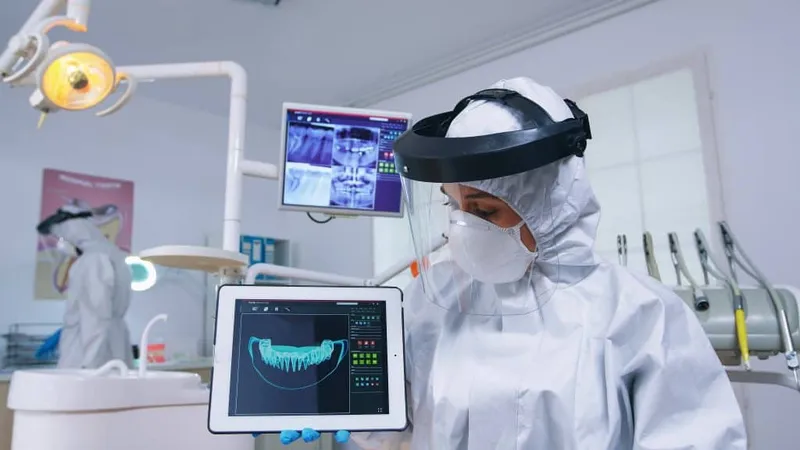
Key Responsibilities of a Certified Dental Coder:
- Ensuring accurate coding for dental procedures.
- Submitting claims to insurance companies.
- Handling rejections or discrepancies in billing.
- Staying updated on coding regulations and compliance requirements.
- Working closely with dentists, office managers, and insurance companies.
How to Become a Certified Dental Coder
The process of becoming a Certified Dental Coder involves education, training, and passing the CDC certification exam. Below are the general steps to get started:
1. Educational Requirements
While some dental coding positions may not require a formal degree, most employers prefer candidates with at least a high school diploma or equivalent. Some individuals may choose to pursue further education in healthcare administration, medical coding, or dental office management to build a strong foundation.
2. Dental Coding Courses
To prepare for the CDC certification exam, it's important to enroll in specialized dental coding courses. These courses cover key topics such as:
- Dental anatomy and terminology.
- CDT codes and how to apply them correctly.
- HIPAA compliance and regulations.
- Insurance billing practices.
- Claim submission and error handling.
These courses can be completed online or in-person at accredited institutions, and they usually take a few months to complete.
3. Hands-on Experience
While formal training is important, gaining practical experience is essential. Many dental coding programs offer internships or job placement assistance to help you build experience in a real-world dental office. Working under the supervision of an experienced coder or dental office manager will give you insight into the daily responsibilities of a CDC and help you prepare for the certification exam.
4. Pass the CDC Certification Exam
Once you've completed the necessary training and gained experience, the next step is to pass the Certified Dental Coder (CDC) exam. This exam tests your knowledge of dental terminology, CDT codes, insurance billing practices, and compliance regulations. The exam typically consists of multiple-choice questions and scenario-based questions that require a deep understanding of the material.
Dental Coding Jobs
Becoming a Certified Dental Coder opens the door to a variety of job opportunities in the healthcare and dental industries. Dental coders are in demand in many settings, including:
Dental Practices: Dental offices need certified coders to manage billing and insurance claims, ensuring smooth operations and accurate financial records.
Dental Insurance Companies: Insurance companies employ dental coders to review and process claims, ensuring that procedures are coded correctly and billed appropriately.
Dental Billing Services: Some coders work for third-party billing companies, handling the coding and billing for multiple dental practices.
Consulting: Experienced dental coders may work as consultants, helping dental offices simplify their billing processes, reduce claim denials, and maintain compliance.
Skills Needed for Dental Coding Jobs:
- Attention to Detail: Accuracy in coding is critical to avoid claim rejections and ensure compliance with insurance regulations.
- Communication Skills: Dental coders often need to communicate with dental staff, patients, and insurance companies to resolve discrepancies.
- Problem-Solving: Coders must be able to identify and correct errors in claims submissions.
- Technical Proficiency: Familiarity with coding software and electronic health records (EHR) systems is essential.
Dental Coding Courses
To become a proficient dental coder, completing a specialized dental coding course is essential. These courses teach the necessary skills and provide in-depth knowledge of CDT codes, dental procedures, and insurance processes.
What You Learn in a Dental Coding Course:
- CDT Coding: Learn the standardized codes for dental procedures and how to apply them in billing.
- Dental Office Procedures: Understand the workflow of a dental office, including patient scheduling, billing, and record management.
- Insurance Billing: Master the process of submitting claims to insurance companies, handling denials, and ensuring compliance with HIPAA regulations.
- Legal and Ethical Standards: Courses cover the ethical responsibilities of dental coders, including patient privacy and accurate record-keeping.
Dental Coder Certification
The Certified Dental Coder (CDC) certification is the industry standard for dental coding professionals. It demonstrates to employers that you have the skills and knowledge needed to manage dental billing and coding processes effectively.
Benefits of Obtaining CDC Certification:
- Increased Job Opportunities: Employers prefer certified coders because they are trained in the specifics of dental coding and billing.
- Higher Earning Potential: Certified coders often earn higher salaries than non-certified coders, as they are seen as more valuable assets to dental practices.
- Professional Credibility: Holding the CDC certification shows that you are committed to maintaining high standards in your work and staying current on industry practices.

Conclusion
The CDC (Certified Dental Coder) certification is a valuable credential for individuals interested in pursuing a career in dental billing and coding. With a growing demand for skilled dental coders, obtaining the CDC certification can help you stand out in the job market and advance your career in the dental industry. By completing dental coding courses, gaining hands-on experience, and passing the CDC certification exam, you will be well-prepared for success in this rewarding field.
CDC: Pros and Cons
- +CDC certification validates expertise recognized by employers nationwide
- +Certified professionals typically earn 15-20% higher salaries
- +Opens doors to advanced positions and leadership roles
- +Demonstrates commitment to professional standards and ethics
- +Builds a strong professional network through certification communities
- −Exam preparation typically requires 2-4 months of dedicated study
- −Certification and exam fees can range from $150-$500+
- −Must complete continuing education to maintain active certification
- −Pass rates vary — thorough preparation is essential for success
- −Some certifications require prerequisite experience or education
Pros and Cons at a Glance
| Pros | Cons |
|---|---|
| CDC certification validates expertise recognized by employers nationwide | Must complete continuing education to maintain active certification |
| Opens doors to advanced positions and leadership roles | Pass rates vary — thorough preparation is essential for success |
| Demonstrates commitment to professional standards and ethics | Some certifications require prerequisite experience or education |
Sample Certified Dental Coder Practice Questions
Try these questions from our free Certified Dental Coder practice tests. The correct answer and an explanation follow each question.
A dental coder notices the dentist documented 'simple extraction' but the claim was submitted with the code for a surgical extraction. This is an example of:
- A. Upcoding
- B. Downcoding
- C. Unbundling
- D. Balance billing
Answer: A. Upcoding
Upcoding occurs when a higher-complexity or higher-paying procedure code is billed than the service documented in the patient's record.
What are the consequences of non-compliance with dental coding regulations?
- A. Non-compliance may result in minor consequences, such as increased workload
- B. Non-compliance can lead to fines, penalties, and legal consequences
- C. Non-compliance has no significant impact on the dental practice
- D. Non-compliance is only relevant to the patient, not the practice
Answer: B. Non-compliance can lead to fines, penalties, and legal consequences
Non-compliance with dental coding regulations carries significant risks for dental practices. Incorrect or fraudulent coding can result in severe repercussions, including substantial financial fines, penalties from regulatory bodies, and even legal action. Such consequences can damage a practice's reputation, lead to loss of licensure, and potentially result in criminal charges in cases of deliberate fraud.
A patient requests that their dental records not be shared with their insurance company. How should a dental professional respond?
- A. Share the records anyway since insurers have automatic access rights
- B. Honor the request, but advise the patient that claims may be denied without records
- C. Refuse to treat the patient if they withhold consent
- D. Report the patient's request to the state dental board
Answer: B. Honor the request, but advise the patient that claims may be denied without records
Patients have the right to restrict disclosures, but must be informed that doing so may affect insurance payment for services.
When a dental consultant identifies a pattern of a provider submitting treatment plans for crowns on teeth with minimal restorations across multiple patients, the most appropriate initial action is to:
- A. Immediately terminate the provider from the network
- B. Initiate a focused clinical review or audit of the provider's records
- C. Approve all claims to avoid provider complaints
- D. Report directly to law enforcement
Answer: B. Initiate a focused clinical review or audit of the provider's records
A utilization pattern suggesting over-treatment warrants a focused clinical audit before any adverse action against the provider.
(CDC) Certified Dental Coder Questions and Answers
About the Author

Dentist & Dental Licensing Exam Specialist
University of Michigan School of DentistryDr. Patricia Chen is a licensed dentist with a DDS and a Master of Science in Periodontics from the University of Michigan School of Dentistry. She has 14 years of clinical practice and academic instruction experience, specializing in helping dental school graduates prepare for the NBDE, INBDE, regional clinical boards, and dental hygiene licensure examinations.