

CARO Practice Test
Updated for October 2026The Certified Assistant Refrigeration Operator (CARO) certification is a professional credential designed for individuals seeking to advance their careers in industrial refrigeration. This certification validates expertise in operating, maintaining, and troubleshooting refrigeration systems, ensuring compliance with industry standards and safety regulations. Earning the CARO certification opens doors to job opportunities in food processing plants, cold storage facilities, and manufacturing plants that rely on refrigeration systems. Whether you are beginning your career in refrigeration or looking to enhance your credentials, this guide will provide a comprehensive overview of the CARO certification, its benefits, and how to obtain it.
CARO Practice Test Questions
Prepare for the CARO - Certified Assistant Refrigeration Operator exam with our free practice test modules. Each quiz covers key topics to help you pass on your first try.
CARO - Certified Assistant Refrigeration O...
CARO Exam Questions covering - Certified Assistant Refrigeration Operator Ammonia Refrigeration Safety. Master CARO Test concepts for certification prep.
CARO - Certified Assistant Refrigeration O...
Free CARO Practice Test featuring - Certified Assistant Refrigeration Operator Compressor Operation and Maintenance. Improve your CARO Exam score with mock test prep.
CARO Piping Systems and Valves
CARO Mock Exam on Piping Systems and Valves. CARO Study Guide questions to pass on your first try.
CARO Refrigeration Controls and Instrument...
CARO Test Prep for Refrigeration Controls and Instrumentation. Practice CARO Quiz questions and boost your score.
CARO Refrigeration System Troubleshooting ...
CARO Questions and Answers on Refrigeration System Troubleshooting and Diagnosis. Free CARO practice for exam readiness.
CARO Compressor Operations and Maintenance
CARO Mock Test covering Compressor Operations and Maintenance. Online CARO Test practice with instant feedback.
CARO Emergency Response and Safety
Free CARO Quiz on Emergency Response and Safety. CARO Exam prep questions with detailed explanations.
CARO Environmental Compliance
CARO Practice Questions for Environmental Compliance. Build confidence for your CARO certification exam.
CARO Evaporators and Condensers
CARO Test Online for Evaporators and Condensers. Free practice with instant results and feedback.
CARO Preventive Maintenance
CARO Study Material on Preventive Maintenance. Prepare effectively with real exam-style questions.
CARO Refrigerant Properties and Safety
Free CARO Test covering Refrigerant Properties and Safety. Practice and track your CARO exam readiness.
CARO Refrigeration Cycle Fundamentals
CARO Exam Questions covering Refrigeration Cycle Fundamentals. Master CARO Test concepts for certification prep.
CARO Refrigeration System Components
Free CARO Practice Test featuring Refrigeration System Components. Improve your CARO Exam score with mock test prep.
Key Takeaways
Free CARO Practice Test Online
- CARO certification validates expertise in industrial refrigeration operation and safety.
- Formal training programs prepare candidates for the CARO exam and hands-on refrigeration work.
- A Refrigeration Machine Operator License may be required in addition to CARO certification, depending on local regulations.
- Becoming a certified operator involves industry experience, training, studying, and passing the CARO exam.
- Career opportunities for CARO-certified professionals include roles in manufacturing, food processing, and cold storage facilities.
Understanding Certified Assistant Refrigeration Operator (CARO) Certification
The Certified Assistant Refrigeration Operator (CARO) designation is an entry-level certification offered by the Refrigerating Engineers & Technicians Association (RETA). It is designed for professionals working with ammonia-based and other industrial refrigeration systems, ensuring they have the knowledge and skills to operate refrigeration machinery safely and efficiently.
- ✓Confirm your exam appointment and location
- ✓Bring required identification documents
- ✓Arrive 30 minutes early to check in
- ✓Read each question carefully before answering
- ✓Flag difficult questions and return to them later
- ✓Manage your time — don't spend too long on one question
- ✓Review flagged questions before submitting
Key Benefits of CARO Certification:
- Enhances job prospects in industrial refrigeration operations.
- Demonstrates expertise in refrigeration safety, maintenance, and operation.
- Ensures compliance with federal and state regulations.
- Provides a foundation for advanced refrigeration certifications such as the Certified Industrial Refrigeration Operator (CIRO).
- Improves workplace safety and reduces risks associated with refrigeration system failures.
This certification is widely recognized in the refrigeration industry, making it an essential qualification for those looking to build a long-term career in refrigeration operations.
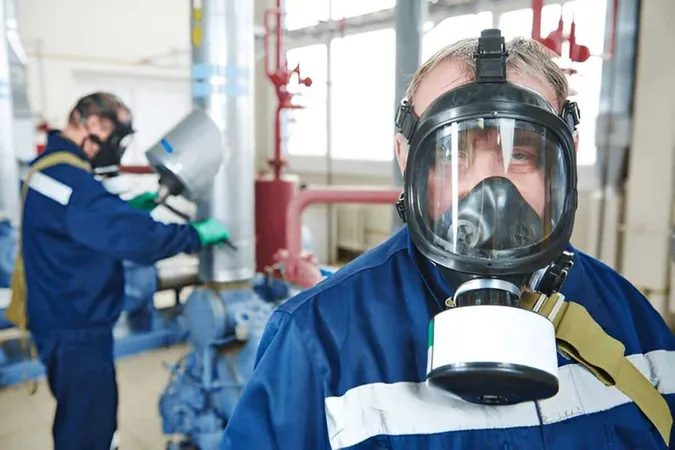
What is CARO?
The Certified Assistant Refrigeration Operator (CARO) certification is an industry-recognized credential that validates the fundamental knowledge required to operate refrigeration systems effectively. It focuses on essential concepts such as:
- Basic refrigeration principles and thermodynamics.
- Refrigeration system components and their functions.
- Safety regulations and hazard prevention.
- Proper handling of refrigerants, including ammonia.
- Troubleshooting and maintenance of refrigeration equipment.
The CARO certification is ideal for entry-level technicians or operators who assist in the day-to-day operation of refrigeration systems under the supervision of experienced professionals.
Assistant Refrigeration Operator Training
To become a certified assistant refrigeration operator, candidates must undergo formal training to develop the necessary technical skills and knowledge. Many institutions and training centers offer CARO exam preparation courses, covering key topics related to refrigeration operations.
Topics Covered in CARO Training:
- Refrigeration cycle fundamentals
- Refrigerant properties and handling procedures
- Safety protocols and regulatory compliance
- Equipment maintenance and troubleshooting
- Emergency response procedures
Training Methods:
- Classroom Instruction: In-person courses taught by certified professionals.
- Online Courses: Self-paced learning modules for flexible study schedules.
- Hands-On Workshops: Practical experience in refrigeration system operation and maintenance.
Completing an accredited CARO training program significantly increases the chances of passing the certification exam and securing a job in the refrigeration industry.
Refrigeration Machine Operator License
A Refrigeration Machine Operator License is a legal requirement in many states and jurisdictions for individuals working with large-scale refrigeration systems. While the CARO certification demonstrates technical competency, a separate license may be required to operate industrial refrigeration equipment legally.
Steps to Obtain a Refrigeration Operator License:
Meet Eligibility Requirements: Candidates must meet work experience or education requirements set by local regulatory bodies.
Complete Training Programs: Enroll in a recognized refrigeration training program.
Pass Written and Practical Exams: Licensing exams typically assess knowledge of refrigeration systems, safety protocols, and regulatory compliance.
Submit Licensing Application: Complete the necessary paperwork and pay licensing fees.
Maintain License Compliance: Many licenses require periodic renewal through continuing education and refresher courses.
Holding both a CARO certification and a Refrigeration Machine Operator License enhances career prospects and ensures compliance with industry regulations.

How to Become an Assistant Refrigeration Operator
Becoming a Certified Assistant Refrigeration Operator requires dedication, training, and passing the CARO certification exam. Follow these steps to earn your certification and start a career in refrigeration operations:
1. Gain Industry Experience
Many candidates begin as entry-level technicians, working under experienced refrigeration operators to gain practical knowledge of refrigeration systems.
2. Enroll in a CARO Training Program
Formal training programs help candidates understand the technical and safety aspects of refrigeration systems, preparing them for the certification exam.
3. Study for the CARO Exam
The CARO exam covers essential topics such as:
Refrigeration system operations
Equipment maintenance and troubleshooting
Safety procedures and compliance regulations
Basic thermodynamics and refrigeration principles
4. Take and Pass the CARO Certification Exam
The CARO exam is administered by the Refrigerating Engineers & Technicians Association (RETA). Candidates must demonstrate their knowledge of refrigeration systems, safety protocols, and equipment maintenance to pass the test.
5. Apply for Industry Jobs
After obtaining certification, candidates can apply for positions such as:
Assistant Refrigeration Operator
Industrial Refrigeration Technician
Maintenance Technician for Refrigeration Systems
Certification significantly enhances job prospects, making candidates more attractive to employers in the refrigeration industry.
CARO: Pros and Cons
- +CARO certification validates expertise recognized by employers nationwide
- +Certified professionals typically earn 15-20% higher salaries
- +Opens doors to advanced positions and leadership roles
- +Demonstrates commitment to professional standards and ethics
- +Builds a strong professional network through certification communities
- −Exam preparation typically requires 2-4 months of dedicated study
- −Certification and exam fees can range from $150-$500+
- −Must complete continuing education to maintain active certification
- −Pass rates vary — thorough preparation is essential for success
- −Some certifications require prerequisite experience or education
Pros and Cons at a Glance
| Pros | Cons |
|---|---|
| CARO certification validates expertise recognized by employers nationwide | Must complete continuing education to maintain active certification |
| Opens doors to advanced positions and leadership roles | Pass rates vary — thorough preparation is essential for success |
| Demonstrates commitment to professional standards and ethics | Some certifications require prerequisite experience or education |
Sample CARO - Certified Assistant Refrigeration Operator Practice Questions
Try these questions from our free CARO - Certified Assistant Refrigeration Operator practice tests. The correct answer and an explanation follow each question.
During a routine tour, a Certified Assistant Refrigeration Operator (CARO) discovers a small, weeping leak from a valve stem packing nut. There is a faint smell of ammonia, but no visible cloud, and the area's ammonia detector is not in alarm. What is the most appropriate initial action?
- A. Immediately activate the full emergency shutdown for the entire facility.
- B. Attempt to tighten the packing nut using a standard adjustable wrench.
- C. Evacuate the machinery room and call 911.
- D. Notify the supervising operator or chief engineer immediately and keep a safe distance.
Answer: D. Notify the supervising operator or chief engineer immediately and keep a safe distance.
As an assistant operator, the correct protocol for a non-emergency, or incidental, release is to report it immediately to a supervisor. Attempting a repair without authorization or proper procedure could worsen the leak. A full emergency shutdown is not warranted for a minor, manageable leak, and calling 911 is premature before the situation has been assessed by a qualified senior operator.
What does a pressure-temperature (PT) chart help a refrigeration operator determine?
- A. Compressor amperage draw
- B. The saturation temperature corresponding to a measured refrigerant pressure
- C. Evaporator airflow velocity
- D. Oil viscosity at operating temperature
Answer: B. The saturation temperature corresponding to a measured refrigerant pressure
A PT chart lists the corresponding saturation temperature for each pressure of a given refrigerant, allowing operators to determine if the system is operating at the correct conditions.
An operator in an ammonia refrigeration facility notices that the compressor discharge pressure is consistently higher than normal, even on cool days. The condenser fans are operating correctly and the coils are clean. What is the most likely cause of this issue?
- A. Overcharge of refrigerant in the system.
- B. The presence of non-condensable gases in the condenser.
- C. Excessive oil level in the compressor crankcase.
- D. A malfunctioning expansion valve.
Answer: B. The presence of non-condensable gases in the condenser.
Non-condensable gases, such as air, nitrogen, or hydrogen, do not condense at the operating temperatures and pressures of the refrigeration system. They accumulate in the condenser, taking up space and increasing the total pressure (Dalton's Law of Partial Pressures). This forces the compressor to work harder, resulting in higher discharge pressures and increased energy consumption.
An operator observes the ammonia detection system alarm at 150 ppm in the machinery room, and the emergency ventilation system activates automatically. According to standard industry practices, what is the most appropriate immediate action for the operator?
- A. Immediately enter the machinery room with an air-purifying respirator to find the leak source.
- B. Silence the alarm and continue with normal duties, assuming it's a false alarm.
- C. Initiate the facility's emergency response plan and prepare for a coordinated, safe response.
- D. Call a refrigeration contractor and wait for them to arrive and assess the situation.
Answer: C. Initiate the facility's emergency response plan and prepare for a coordinated, safe response.
An ammonia concentration of 150 ppm is a significant leak level, representing half of the IDLH (Immediately Dangerous to Life or Health) value. This situation requires immediate activation of the facility's Emergency Response Plan (ERP) to ensure a structured and safe response, which may include preparing for evacuation or entry with proper PPE like an SCBA. Entering without following the plan or treating it as a nuisance is extremely dangerous.
Take the full CARO - Certified Assistant Refrigeration Operator practice test
About the Author

NATE Certified HVAC Technician & Licensing Exam Trainer
Universal Technical InstituteMike Johnson is a NATE-certified HVAC technician and EPA 608 universal-certified refrigerant handler with a Bachelor of Science in HVAC/R Technology. He has 19 years of commercial and residential HVAC installation and service experience and specializes in preparing technicians for NATE certification, EPA 608, A2L refrigerant safety, and state HVAC contractor licensing examinations.
Join the Discussion
Connect with other students preparing for this exam. Share tips, ask questions, and get advice from people who have been there.
View discussion (9 replies)