

CACO Practice Test
Updated for October 2026A Certified Animal Control Officer (CACO) plays a pivotal role in ensuring the safety and well-being of both animals and the community. This certification not only enhances an officer's qualifications but also builds public trust in animal welfare practices. In this article, we explore into the journey of becoming a CACO, outlining the necessary steps, responsibilities, and benefits associated with this esteemed certification.
Key Takeaways
Professional Recognition: CACO certification is a recognized credential that enhances an officer's qualifications in animal control.
Comprehensive Training: The certification process includes extensive training in animal care and law enforcement.
Career Advancement: Holding a CACO can lead to increased job opportunities and higher salary potential.
Ongoing Education: Maintaining certification requires ongoing education and adherence to ethical standards.
CACO Practice Test Questions
Prepare for the CACO - Certified Animal Control Officer exam with our free practice test modules. Each quiz covers key topics to help you pass on your first try.
CACO Animal Behavior and Body Language
CACO Exam Questions covering Animal Behavior and Body Language. Master CACO Test concepts for certification prep.
CACO - Certified Animal Control Officer An...
Free CACO Practice Test featuring - Certified Animal Control Officer Animal Cruelty Investigations. Improve your CACO Exam score with mock test prep.
CACO - Certified Animal Control Officer Ra...
CACO Mock Exam on - Certified Animal Control Officer Rabies and Zoonotic Diseases. CACO Study Guide questions to pass on your first try.
CACO Dangerous and Vicious Animal Procedures
CACO Test Prep for Dangerous and Vicious Animal Procedures. Practice CACO Quiz questions and boost your score.
CACO Wildlife Management and Ordinances
CACO Questions and Answers on Wildlife Management and Ordinances. Free CACO practice for exam readiness.
CACO Animal Cruelty Investigations
CACO Mock Test covering Animal Cruelty Investigations. Online CACO Test practice with instant feedback.
CACO Animal Handling & Restraint Techniques
Free CACO Quiz on Animal Handling & Restraint Techniques. CACO Exam prep questions with detailed explanations.
CACO Animal Health and Disease
CACO Practice Questions for Animal Health and Disease. Build confidence for your CACO certification exam.
CACO Animal Welfare Laws & Regulations
CACO Test Online for Animal Welfare Laws & Regulations. Free practice with instant results and feedback.
CACO Field Operations and Safety
CACO Study Material on Field Operations and Safety. Prepare effectively with real exam-style questions.
CACO Humane Capture and Handling
Free CACO Test covering Humane Capture and Handling. Practice and track your CACO exam readiness.
CACO Investigation & Report Writing
CACO Exam Questions covering Investigation & Report Writing. Master CACO Test concepts for certification prep.
CACO Legal Procedures and Authority
Free CACO Practice Test featuring Legal Procedures and Authority. Improve your CACO Exam score with mock test prep.
Important: The CACO exam covers multiple domains. Allocate more study time to unfamiliar topics while maintaining review of strong areas.
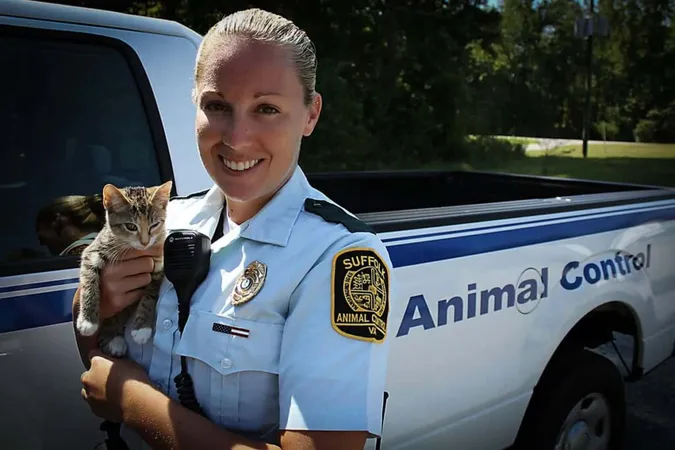
How to Become a Certified Animal Control Officer
Becoming a CACO involves several steps:
Complete Required Training: Attend a 60-hour training program approved by CalAnimals or other recognized academies. This training covers topics such as animal care, state laws, and enforcement procedures.
- Complete PC 832 Training: Complete a POST-approved PC 832 (Arrest, Search and Seizure) course and be actively employed as an animal control officer.
- Submit Application: Submit a completed CACO application to CalAnimals along with proof of the required training — CalAnimals’ program (created under California’s 2020 Animal Control Officer Standards Act) is training- and application-based rather than a proctored knowledge exam.
It's important to note that certification requirements may vary by state and jurisdiction.
Job Description of an Animal Control Officer
ACOs are responsible for a range of duties aimed at protecting public safety and ensuring humane treatment of animals:
Enforce Animal Laws: Ensure compliance with local, state, and federal animal control laws and ordinances.
Respond to Calls: Address complaints regarding stray, injured, or dangerous animals.
Investigate Cruelty Cases: Conduct investigations into allegations of animal abuse or neglect.
Capture and Transport Animals: Safely capture and transport animals to shelters or veterinary facilities.
Public Education: Educate the public on responsible pet ownership and animal welfare laws.
These duties require a combination of knowledge, physical ability, and interpersonal skills.
Salary Expectations for Certified Animal Control Officers
Salaries for ACOs can vary based on location, experience, and certification level:
National Average: Per the U.S. Bureau of Labor Statistics’ most recently published Occupational Employment and Wage Statistics for Animal Control Workers (SOC 33-9011), the mean annual wage is about $48,150 and the median annual wage is about $43,170.
State Variations: Pay varies by state, county, and city; check current openings on sites like governmentjobs.com or CalOpps for up-to-date local salary ranges.
Additional benefits may include health insurance, retirement plans, and paid leave.
Exam Costs and Certification Fees
The costs associated with obtaining and maintaining CACO certification through CalAnimals (California) include:
- Application Fee: A $30 non-refundable application fee, payable to CalAnimals.
- Certification Fee: A $200 fee upon approval, covering a three-year certification period.
- Renewal: Renewal every three years requires a minimum of 40 hours of approved continuing-education units (CEUs) plus the current renewal fee.
Other states and municipalities may run their own ACO training/certification programs with different costs — check with your local animal control agency or the relevant certifying body for current fee structures.
FAQs
Is the CACO certification recognized nationwide?
While the CACO certification is recognized in several states, including California, requirements may vary by jurisdiction. It's important to check with local authorities for specific certification requirements.
Can I become an ACO without certification?
Yes, some jurisdictions may hire individuals as Animal Control Officers without certification, but obtaining certification can enhance job prospects and career advancement.
How often do I need to renew my CACO certification?
CACO certification typically requires renewal every three years, contingent upon completing continuing education and paying renewal fees.
Are there online training programs available for CACO certification?
Yes, several accredited institutions offer online training programs for CACO certification, providing flexibility for working professionals.
What are the physical requirements for an ACO?
ACOs should be physically fit, as the role may involve capturing and transporting animals, patrolling large areas, and responding to emergencies.
- +Validates your knowledge and skills objectively
- +Increases job market competitiveness
- +Provides structured learning goals
- +Networking opportunities with other certified professionals
- −Study materials can be expensive
- −Exam anxiety can affect performance
- −Requires dedicated preparation time
- −Retake fees apply if you don't pass
Pros and Cons at a Glance
| Pros | Cons |
|---|---|
| Validates your knowledge and skills objectively | Study materials can be expensive |
| Increases job market competitiveness | Exam anxiety can affect performance |
| Provides structured learning goals | Requires dedicated preparation time |
| Networking opportunities with other certified professionals | Retake fees apply if you don't pass |

Sample CACO - Certified Animal Control Officer Practice Questions
Try these questions from our free CACO - Certified Animal Control Officer practice tests. The correct answer and an explanation follow each question.
Which of the following is a primary requirement for an Animal Control Officer to obtain a warrant to seize an animal from private property?
- A. A history of previous complaints against the owner
- B. Probable cause that a law is being violated
- C. The animal's lack of a license or microchip
- D. A request from a neighboring property owner
Answer: B. Probable cause that a law is being violated
The Fourth Amendment protects against unreasonable searches and seizures and requires a warrant to be issued based on probable cause. An ACO must present sufficient facts to a judge to establish a reasonable belief that animal cruelty, neglect, or another violation of the law is occurring on the property.
When an Animal Control Officer issues a citation for a violation of a local animal ordinance, what essential information must the citation contain?
- A. The officer's personal opinion of the owner's conduct.
- B. The name and address of the person who reported the violation.
- C. A recommendation for the animal's future placement.
- D. The specific ordinance violated and the facts constituting probable cause.
Answer: D. The specific ordinance violated and the facts constituting probable cause.
A legally valid citation must inform the recipient of the specific law or ordinance they are accused of violating and provide a factual basis for the officer's belief that a violation occurred. This ensures due process by allowing the individual to understand and prepare a defense against the charge.
An Animal Control Officer, who has been looking for a specific purebred dog for their own pet, is the first to respond to and impound a stray matching that description. What is the most ethical action for the officer to take?
- A. Immediately place an 'adoption hold' on the dog for themselves before it enters the system.
- B. Ask a family member to adopt the dog on their behalf as soon as it becomes available.
- C. Adopt the dog through the normal process once the stray hold is over, as they are a member of the public.
- D. Recuse themselves from the adoption process for this specific animal and follow all standard shelter protocols to avoid any appearance of a conflict of interest.
Answer: D. Recuse themselves from the adoption process for this specific animal and follow all standard shelter protocols to avoid any appearance of a conflict of interest.
Ethical guidelines for Animal Control Officers require them to avoid conflicts of interest and the appearance of impropriety. [13] Using their official position to gain an advantage in adopting a desirable animal is a clear conflict of interest. The most ethical course of action is to ensure the animal goes through the exact same process as any other stray and to remove oneself from any part of its adoption process to maintain public trust. [4]
An Animal Control Officer (ACO) observes a dog in a locked vehicle on a hot day that appears to be in severe distress. Under which legal principle can the ACO lawfully enter the vehicle to seize the animal without a warrant?
- A. Plain view doctrine
- B. Owner's consent
- C. Exigent circumstances
- D. Search incident to arrest
Answer: C. Exigent circumstances
Exigent circumstances allow an officer to act without a warrant in emergency situations where waiting to obtain one would result in imminent danger, serious harm, or the destruction of evidence. A dog suffering in a hot car qualifies as an emergency requiring immediate action to save its life.
Take the full CACO - Certified Animal Control Officer practice test
About the Author

Veterinarian & Veterinary Technician Exam Specialist
Cornell University College of Veterinary MedicineDr. James Whitfield is a licensed veterinarian with a DVM and PhD from Cornell University College of Veterinary Medicine. He has 16 years of mixed-practice experience and has taught veterinary technician licensing courses at three accredited institutions. He specializes in VTNE preparation, veterinary clinical skills, and animal science certification pathways.
Join the Discussion
Connect with other students preparing for this exam. Share tips, ask questions, and get advice from people who have been there.
View discussion (9 replies)