
What Can You Do with a Biology Degree? 25 Career Paths in 2026 October
Free What Can You Do with a Biology Degree? practice test with questions and answer explanations. Prepare for the 2026 October exam with instant scoring. 🟢
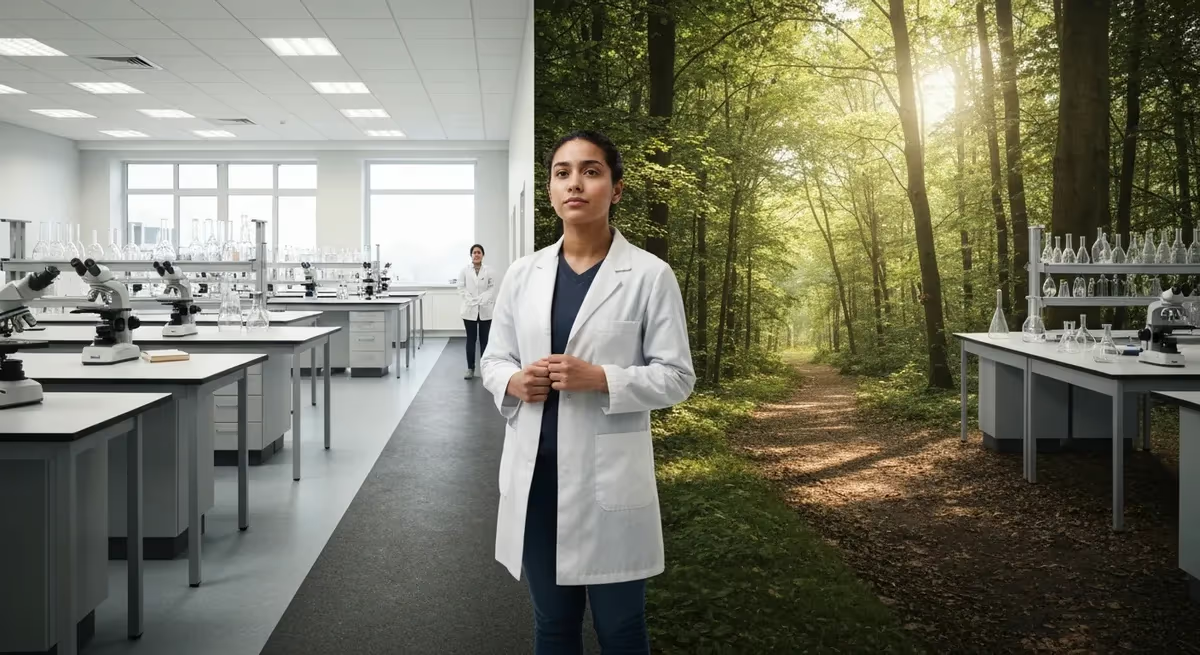
With a biology degree, you can pursue careers in healthcare, research, conservation, and education. Graduates work as lab technicians, wildlife biologists, and environmental scientists, or pursue advanced degrees to become doctors or veterinarians. Employment in life science occupations is projected to grow 7% from 2026 to 2032, creating diverse opportunities.
Top Careers for Biology Graduates
Research Scientist
A classic choice among biology major careers. Conduct experiments and analyze data in academic, government, or private labs to advance scientific knowledge.
Healthcare Professional (MD, PA, DDS)
Many wonder what can you do with a biology degree besides research. This path leads to roles like physician, dentist, or physician assistant after further schooling.
Environmental Consultant
These biology degree jobs involve assessing environmental impacts for organizations and ensuring compliance with regulations, protecting natural ecosystems.
Genetic Counselor
A specialized answer to what can you do with a biology major. Advise individuals and families on genetic conditions and health risks based on biological data.
High School Biology Teacher
Share your passion for science by educating the next generation. This career path is a rewarding option for those with a biology degree.
Forensic Scientist
Apply biological principles to legal investigations. Analyze evidence from crime scenes in this exciting field, a popular choice for biology major careers.
Zoologist or Wildlife Biologist
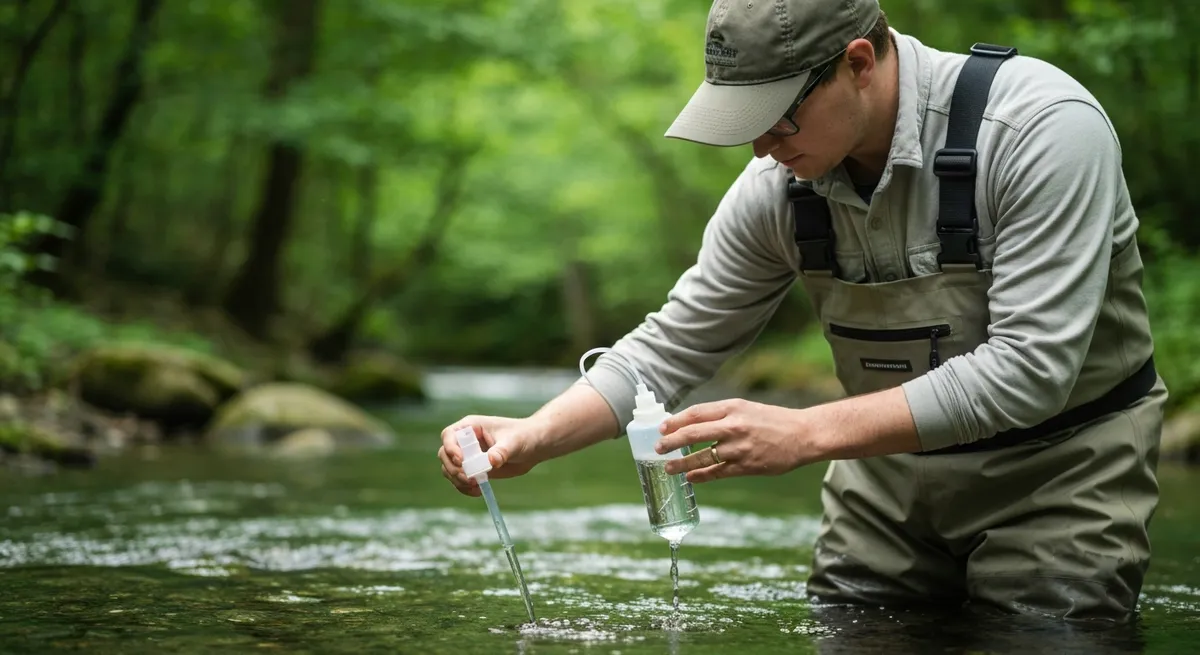
Study animals in their natural habitats, focusing on conservation, behavior, and physiology. A hands-on career for biology graduates passionate about wildlife.
Biology Degree Salary Comparison by Field
A common question we hear is, "What can you do with a biology degree that pays well?" When prospective students ask, "what can you do with a biology major?", salary is often a top concern. The answer is complex, as your potential biology salary depends heavily on your chosen specialization, industry, and level of education. Understanding this financial landscape is a critical step for anyone exploring the wide array of biology degree jobs. From field conservation to advanced genetic research, the earning potential varies significantly. This section breaks down salary expectations to clarify what can you do with a biology degree.
Below is a comparison of median annual salaries for several popular biology degree jobs, based on 2026 data from the U.S. Bureau of Labor Statistics. Note how compensation often correlates with the required level of education.
| Career Path | Typical Education Level | Median Annual Salary (2026) |
|---|---|---|
| Biological Technician | Bachelor's Degree | $49,650 |
| High School Biology Teacher | Bachelor's + Teaching Certification | $65,220 |
| Zoologist and Wildlife Biologist | Bachelor's Degree | $70,730 |
| Environmental Scientist | Bachelor's Degree | $80,090 |
| Microbiologist | Bachelor's Degree | $83,600 |
| Genetic Counselor | Master's Degree | $90,780 |
| Biochemist and Biophysicist | Ph.D. | $107,460 |
| Physician Assistant | Master's Degree | $130,490 |
This data clearly illustrates a key trend: while a bachelor's degree opens many doors, advanced degrees often lead to the highest-paying biology major careers. For students wondering what you can do with a biology major immediately after graduation, roles like biological technician offer crucial entry-level experience. However, pursuing a master's or doctorate can significantly increase lifetime earning potential in specialized biology degree jobs. Fields requiring a deep understanding of complex systems, like those you'd study for a Biology Cellular and Molecular exam, often correspond with higher compensation. The answer to "what can you do with a biology degree?" is incredibly broad, with a salary spectrum that mirrors the diversity of biology major careers available.
USABO biology olympiad candidates often also prepare with our AMC 8 math competition practice test for the same rigorous science olympiad mindset and problem-solving approach.
For a fuller set of questions on this topic, see our biology test resource.
Healthcare Careers with a Biology Background
What is a common career path for biology majors in medicine?: Becoming a Physician (MD/DO) is a popular choice. This path requires medical school and residency and is one of the most sought-after biology degree jobs for those passionate about diagnostics and treatment. This career answers the question 'what can you do with a biology degree' with one of the most prestigious options.
Are there other patient-facing roles besides being a doctor?: Absolutely. Roles like Physician Assistant (PA), Registered Nurse (RN), and Physical Therapist (PT) are excellent biology major careers. They involve significant patient interaction and a strong foundation in biological sciences.
If I'm asking 'what can you do with a biology major' right after undergrad, are there options?: Yes, some roles like a Certified Nursing Assistant (CNA) are accessible with less advanced training. You can prepare with resources like a Free CNA Practice Test. This is a great entry-level answer to what can you do with a biology degree and a way to gain valuable clinical experience.
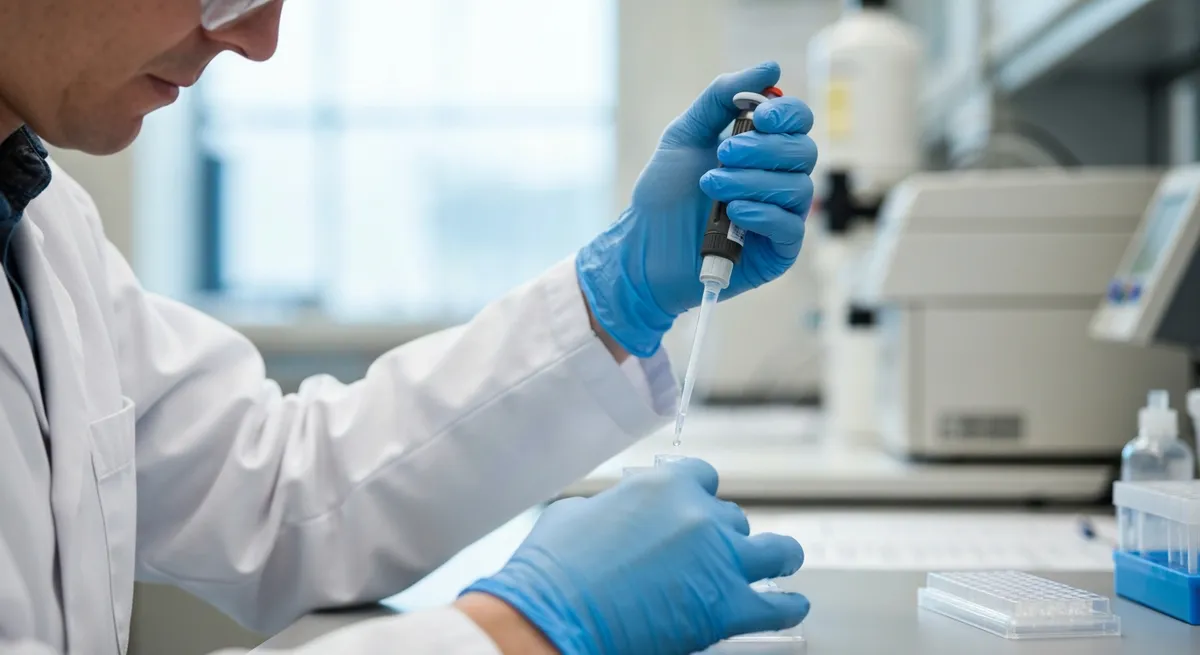
If you're asking, "what can you do with a biology degree?", the key is to build a competitive profile. Differentiating yourself is crucial for securing top biology degree jobs and exploring diverse biology major careers.
How to Stand Out as a Biology Major
- ✓🔬 Gain Hands-On Research Experience: Volunteer in a university lab to apply theoretical knowledge and learn practical techniques.
- ✓✍️ Publish or Present Your Work: Aim to co-author a research paper or present a poster at a scientific conference.
- ✓📚 Specialize in a Niche Field: Focus advanced coursework in an area like bioinformatics, immunology, or conservation biology to develop expertise.
- ✓💻 Develop Quantitative & Computational Skills: Learn data analysis, statistical software (like R), or a programming language (like Python) to manage large datasets.
- ✓🤝 Network with Professionals and Peers: Join student organizations, attend seminars, and connect with alumni and faculty.
- ✓🌍 Secure a Relevant Internship: Gain real-world experience at a biotech company, government agency, or non-profit organization.
What Can Pros and Cons
- +Biology credentials open career pathways with defined advancement trajectories and competitive compensation ranges
- +Growing demand in the field means qualified professionals with verified credentials have strong job security
- +Specialization within the field allows professionals to command premium compensation for high-demand skill sets
- +Remote and hybrid work options are expanding in this field, increasing geographic flexibility for credentialed professionals
- +Professional associations and networks provide ongoing career development, mentorship, and job referral opportunities
- −Entry-level positions in this field are competitive, requiring candidates to differentiate through credentials, experience, and networking
- −Some career paths in this field have defined credential and experience prerequisites that create time barriers to advancement
- −Geographic concentration of opportunities in some specializations limits location flexibility for career growth
- −Continuing education and credential maintenance requirements create ongoing time and financial obligations throughout a career
- −Career path choices made early may be difficult to reverse — specialization that narrows options later can limit career flexibility
Sample Biology Practice Questions
Try these questions from our free Biology practice tests. The correct answer and an explanation follow each question.
Which microorganism is used in the production of bread and alcoholic beverages?
- A. Bacteria
- B. Algae
- C. Yeast
- D. Virus
Answer: C. Yeast
Yeast, specifically *Saccharomyces cerevisiae*, is a single-celled fungus crucial in the production of bread and alcoholic beverages. In bread making, yeast ferments sugars to produce carbon dioxide, which causes the dough to rise, while in brewing, it ferments sugars into ethanol and carbon dioxide, creating alcohol.
What evolutionary evidence is provided by the existence of vestigial structures?
- A. Organisms create new structures as needed
- B. Species share common ancestry with ancestors that used those structures
- C. Convergent evolution produced similar traits independently
- D. Genetic mutations are always beneficial
Answer: B. Species share common ancestry with ancestors that used those structures
Vestigial structures are reduced, functionless remnants of structures that were functional in ancestors, indicating shared evolutionary history.
Which type of white blood cell produces antibodies?
- A. B lymphocytes (B cells)
- B. T lymphocytes (T cells)
- C. Neutrophils
- D. Macrophages
Answer: A. B lymphocytes (B cells)
B cells differentiate into plasma cells that produce antibodies (immunoglobulins) specific to particular antigens, providing humoral immunity.
During which phase of the cardiac cycle do the ventricles fill with blood?
- A. Isovolumetric contraction
- B. Ventricular systole
- C. Isovolumetric relaxation
- D. Diastole
Answer: D. Diastole
During diastole, the ventricles relax and fill with blood from the atria through the open AV valves.
BIOLOGY TEST Questions and Answers
More Biology Test Resources
About the Author

Educational Psychologist & Academic Test Preparation Expert
Columbia University Teachers CollegeDr. Lisa Patel holds a Doctorate in Education from Columbia University Teachers College and has spent 17 years researching standardized test design and academic assessment. She has developed preparation programs for SAT, ACT, GRE, LSAT, UCAT, and numerous professional licensing exams, helping students of all backgrounds achieve their target scores.