
Bathroom Renovation Contractors 2026 October
Free Bathroom Renovation Contractors practice test with questions and answer explanations. 🗨️ Prepare for the 2026 October exam with instant scoring.
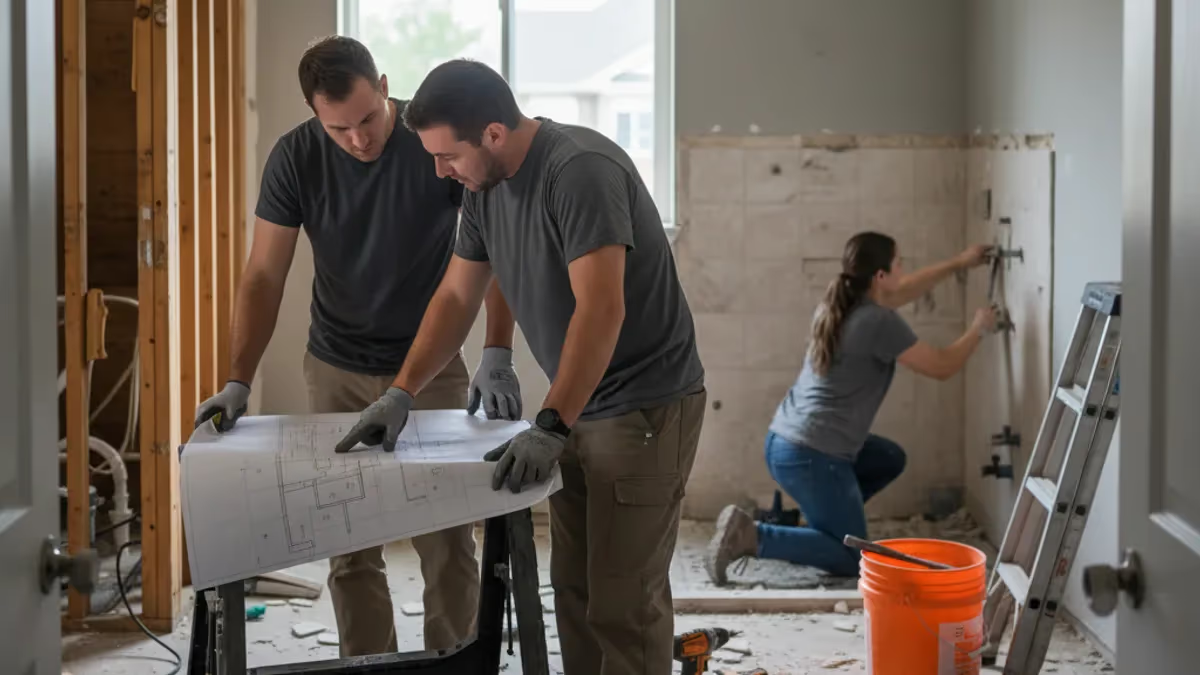

Benefits of Hiring a Bathroom Renovation Contractor
When remodeling your bathroom, hiring a qualified contractor can make all the difference. They have the expertise and experience to handle the job efficiently and bring many benefits that you might have yet to think of. Firstly, hiring a bathroom renovation contractor saves you time and effort. Instead of spending countless hours researching different materials and design options, the contractor will handle all those details for you.
Secondly, a bathroom renovation contractor can access a network of reliable suppliers and tradespeople. This means they can source high-quality materials at discounted prices and coordinate with plumbers, electricians, and other specialists required for the project.
Contractors make sure that your project stays below budget and still produces excellent results by expediting this procedure. Additionally, by hiring a professional contractor, you gain peace of mind knowing everything is handled according to industry standards. From obtaining necessary permits to adhering to building codes and regulations, an experienced contractor effortlessly takes care of all these aspects. They also provide warranties on their workmanship, giving you added protection against any unforeseen issues arising after the renovation.
- ✓Confirm your exam appointment and location
- ✓Bring required identification documents
- ✓Arrive 30 minutes early to check in
- ✓Read each question carefully before answering
- ✓Flag difficult questions and return to them later
- ✓Manage your time — don't spend too long on one question
- ✓Review flagged questions before submitting
Common Mistakes to avoid during the Renovation Process
During a bathroom renovation, getting caught up in the excitement and overlooking some important details is easy. One common mistake that people make is underestimating the budget required for the project. It's crucial to set a realistic budget beforehand and consider all the factors, such as materials, labor costs, permits, and unexpected expenses. By doing so, you can avoid getting halfway through your renovation only to discover that you need more money to complete it.
Another mistake to avoid is not properly researching and vetting your contractors before hiring them. It's essential to choose reputable professionals who have experience with bathroom renovations specifically. Check online reviews or consult friends or relatives who have just finished similar work for recommendations. Hiring the wrong contractor can result in delays, subpar workmanship, or even additional costs if mistakes need fixing down the line. Taking the time upfront to find reliable contractors will save you headaches in the long run.
Lastly, many homeowners need to pay more attention to how disruptive a bathroom renovation can be in their daily lives. Failing to plan accordingly for temporary disruptions like using alternative bathrooms or finding ways to navigate around construction areas can lead to frustration and unnecessary stress during the process. Ensure there is clear communication with your contractor about what will happen during each phase of the renovation so you can adequately prepare and minimize any inconveniences along the way.
- +Validates your knowledge and skills objectively
- +Increases job market competitiveness
- +Provides structured learning goals
- +Networking opportunities with other certified professionals
- −Study materials can be expensive
- −Exam anxiety can affect performance
- −Requires dedicated preparation time
- −Retake fees apply if you don't pass
Pros and Cons at a Glance
| Pros | Cons |
|---|---|
| Validates your knowledge and skills objectively | Study materials can be expensive |
| Increases job market competitiveness | Exam anxiety can affect performance |
| Provides structured learning goals | Requires dedicated preparation time |
| Networking opportunities with other certified professionals | Retake fees apply if you don't pass |
Sample Renovation Contractors Practice Questions
Try these questions from our free Renovation Contractors practice tests. The correct answer and an explanation follow each question.
What is a 'punch list' in renovation contracting?
- A. A list of materials needed for ordering
- B. A list of outstanding items or deficiencies to be corrected before final payment
- C. A schedule of subcontractor work
- D. A document listing safety hazards
Answer: B. A list of outstanding items or deficiencies to be corrected before final payment
A punch list is compiled near project completion, itemizing minor deficiencies or incomplete items that must be resolved before the owner releases final payment.
What is the standard minimum width for a residential hallway per the IRC?
- A. 24 inches
- B. 36 inches
- C. 42 inches
- D. 48 inches
Answer: B. 36 inches
The IRC requires a minimum hallway width of 36 inches to allow safe passage and accessibility within a home.
Which federal agency primarily regulates lead paint hazards in pre-1978 residential renovations through the RRP Rule?
- A. OSHA
- B. HUD
- C. EPA
- D. CDC
Answer: C. EPA
The EPA administers the Renovation, Repair and Painting (RRP) Rule under the Toxic Substances Control Act (TSCA) to regulate lead paint hazards in pre-1978 homes.
What is the primary model building code used as the basis for residential construction regulations in most US states?
- A. NFPA 101 Life Safety Code
- B. International Residential Code (IRC)
- C. Uniform Building Code (UBC)
- D. National Building Code (NBC)
Answer: B. International Residential Code (IRC)
The International Residential Code (IRC), published by the ICC, is adopted (often with local amendments) as the basis for residential building regulations in most US states.
About the Author

Licensed Engineer & Construction Management Certification Expert
Georgia Institute of TechnologyDaniel Park is a licensed Professional Engineer and Certified Construction Manager with a BS in Civil Engineering from Georgia Tech. He has managed over $800 million in construction projects across commercial, infrastructure, and public works sectors. Daniel coaches engineers and project managers preparing for PE licensure, CCM, and construction management certification exams.