
ACSM Guidelines for Exercise Testing and Prescription: Key Concepts 2026 June
Free ACSM Guidelines for Exercise practice test with questions and answer explanations. Prepare for the 2026 June exam with instant scoring. 🧠
ACSM Guidelines for Exercise Testing and Prescription
The American College of Sports Medicine's "Guidelines for Exercise Testing and Prescription" — commonly called the ACSM Guidelines Book — is the foundational reference document for exercise science professionals, personal trainers, clinical exercise physiologists, and anyone preparing for an ACSM certification exam. Now in its 11th edition, the text establishes evidence-based standards for evaluating health and fitness, assessing exercise capacity, and designing safe and effective exercise programs for populations ranging from healthy adults to individuals with chronic conditions.
The guidelines aren't just certification exam content — they're the clinical and practical standards that exercise professionals follow when working with real clients. Physical therapists, cardiac rehabilitation specialists, and certified exercise physiologists use these guidelines to make decisions about fitness testing protocols, pre-participation screening, and exercise intensity prescription. Understanding the guidelines means understanding why professional exercise recommendations are made the way they are, not just what those recommendations say.
If you're preparing for the ACSM Certified Personal Trainer (CPT) exam, ACSM Certified Exercise Physiologist (EP-C) exam, or ACSM's Certified Clinical Exercise Physiologist (CEP) exam, the guidelines book is your primary content source. The exam questions draw directly from the principles, definitions, and protocols outlined in the text. You don't need to memorize the book cover to cover, but you need to understand its framework deeply enough to apply it to scenario-based questions about real clients and situations.
The ACSM published its first edition of the guidelines in 1975, making it one of the longest-running evidence-based clinical reference texts in allied health. Each new edition incorporates updated research, revised thresholds, and sometimes significant conceptual shifts — like the transition away from the PAR-Q model for pre-participation screening in favor of a risk-stratification approach. If you're using an older edition of the book, be aware that some thresholds and recommendations may have changed. Certification exams are based on the current edition, so edition alignment matters.
This article covers the key subject knowledge areas from the ACSM guidelines: pre-participation screening, health-related fitness testing, cardiorespiratory endurance guidelines, resistance training recommendations, flexibility and neuromotor guidelines, and the FITT-VP principle that ties all prescriptive elements together. These are the areas most heavily tested on ACSM certification exams and most directly applicable to professional practice.
The ACSM defines five components of health-related physical fitness: cardiorespiratory endurance, muscular strength, muscular endurance, flexibility, and body composition. Understanding how the guidelines address each component — and how they interact in a complete exercise program — gives you a conceptual foundation that makes individual recommendations easier to retain and apply, whether you're studying for an exam or working with a real client population. Each fitness component has its own testing protocols and prescription variables within the FITT-VP model.
Pre-Participation Health Screening: The ACSM Risk Stratification Model
Before prescribing exercise or conducting fitness testing, exercise professionals need to assess whether a client requires medical clearance. The ACSM guidelines replaced the older PAR-Q (Physical Activity Readiness Questionnaire) approach with a more clinically grounded risk stratification model.
Three factors drive the decision: whether the client has known cardiovascular, metabolic, or renal disease; whether they have signs or symptoms suggestive of these conditions; and what level of exercise intensity is being considered. The PAR-Q model was a self-administered questionnaire with yes/no responses — useful for simplicity, but it lacked the clinical nuance needed to distinguish between clients who genuinely need physician oversight and those who don't.
The key change from older approaches: previously, most adults were told to see a physician before starting exercise regardless of their health status. The current ACSM guidelines recognize that the risk of not exercising outweighs the exercise risk for most people, and that routine medical clearance requirements create unnecessary barriers to physical activity. The current model reserves medical clearance recommendations for specific situations: people with known disease, symptomatic individuals, and sedentary individuals beginning vigorous intensity exercise programs.
For exam purposes, know the three categories of the ACSM risk stratification: low risk (asymptomatic, with no more than one cardiovascular risk factor), moderate risk (two or more cardiovascular risk factors, but no known disease or symptoms), and high risk (known cardiovascular, pulmonary, or metabolic disease, OR the presence of one or more signs or symptoms). Medical clearance recommendations and exercise testing supervision requirements differ based on risk category.
The ACSM identifies specific cardiovascular risk factors used in stratification: family history of cardiovascular disease, cigarette smoking, hypertension (systolic ≥130 mmHg or diastolic ≥80 mmHg), dyslipidemia, impaired fasting glucose, obesity (BMI ≥30 or waist girth above sex-specific thresholds), and physical inactivity. Age is also a risk factor (men ≥45, women ≥55). High HDL cholesterol (≥60 mg/dL) is a negative risk factor that subtracts from the total count. Know these thresholds — the exam tests the specific values, not just the conceptual categories.
Signs and symptoms of cardiovascular or metabolic disease are separate from risk factors and are treated differently in the stratification model. Symptoms include chest pain or discomfort at rest or with exertion, shortness of breath at rest or with mild exertion, dizziness or syncope, orthopnea or paroxysmal nocturnal dyspnea, ankle edema, palpitations, intermittent claudication, known heart murmur, and unusual fatigue with usual activities. Any client presenting with these symptoms should be classified as high risk regardless of their cardiovascular risk factor count, and medical clearance is recommended before beginning or intensifying an exercise program.
Exercise testing before beginning an exercise program is a separate question from medical clearance. The ACSM guidelines don't require exercise testing for most individuals initiating low-to-moderate intensity exercise, even those with multiple risk factors. Testing is recommended when the results will change the exercise prescription — typically for clinical populations where objective data about functional capacity, hemodynamic response, or symptom threshold is needed to prescribe exercise safely. This distinction matters on the exam, where questions may conflate the two requirements. Medical clearance is about physician approval; exercise testing is about gathering data to inform the prescription itself.
Health history forms and the Physical Activity Readiness Questionnaire for Everyone (PAR-Q+) are tools that help exercise professionals gather the information needed for the ACSM risk stratification process. The PAR-Q+ is a more comprehensive update to the original PAR-Q, with follow-up questions for individuals who answer yes to initial screening items. It's important to note that these forms are screening tools — they help identify who needs further evaluation, but the exercise professional's judgment, combined with the risk stratification algorithm in the ACSM guidelines, determines the appropriate next step for each client. No screening questionnaire replaces clinical reasoning.

Cardiorespiratory Endurance: Testing and Prescription
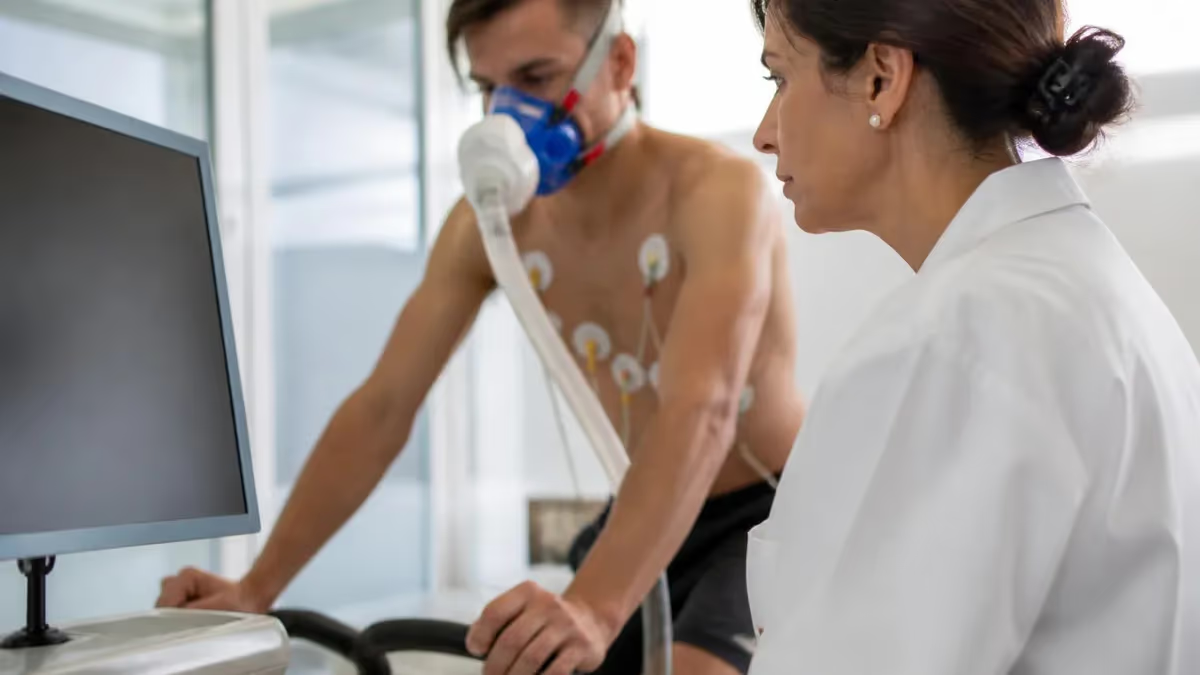
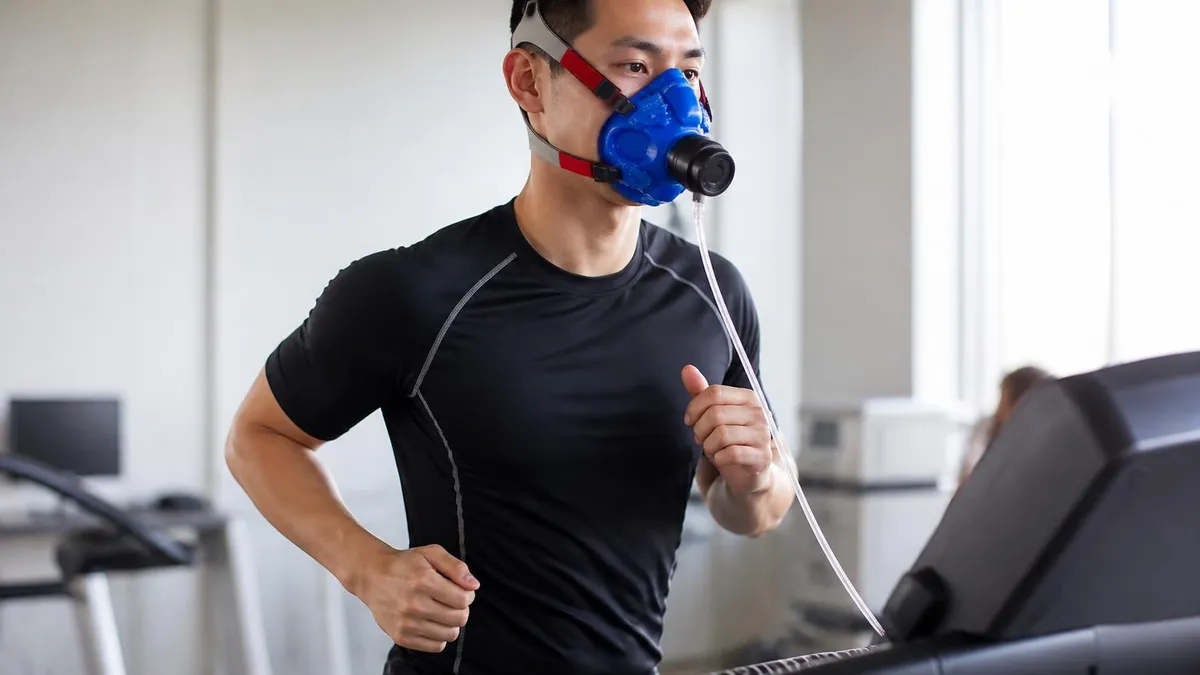
Cardiorespiratory endurance — also called cardiorespiratory fitness (CRF) — is the ability of the heart, lungs, and circulatory system to supply oxygen to working muscles during sustained exercise. It's the component of health-related fitness most strongly associated with chronic disease risk and all-cause mortality. VO2max (maximal oxygen uptake) is the gold-standard measure of CRF, expressed in mL of oxygen per kg of body weight per minute (mL/kg/min).
The ACSM guidelines cover multiple methods for assessing CRF: maximal exercise testing (direct measurement of VO2max on a treadmill or cycle ergometer), submaximal testing (estimating VO2max from heart rate response to submaximal workloads), and field tests (step tests, 1.5-mile run, 12-minute run). Direct measurement during maximal testing is most accurate but most expensive and requires physician supervision for high-risk individuals. Submaximal tests are used more commonly in field and clinical settings because they're lower risk and more practical.
For exercise prescription using cardiorespiratory guidelines, the FITT-VP principle provides the framework. Frequency: 3–5 days/week for most adults, with moderate-intensity exercise recommended on most days. Intensity: expressed as percentage of VO2max, percentage of heart rate reserve (HRR), percentage of maximal heart rate (HRmax), metabolic equivalents (METs), or ratings of perceived exertion (RPE). The moderate intensity zone is typically 40–59% HRR or 64–76% HRmax. Vigorous intensity is 60–89% HRR or 77–96% HRmax.
The Karvonen formula for target heart rate (THR) using heart rate reserve is: THR = HRR × intensity% + HRrest. Where HRR = HRmax – HRrest, and HRmax is typically estimated as 220 – age. This formula is commonly tested on ACSM certification exams. Know it, and know when to apply it versus using the simpler %HRmax method. The Karvonen formula is more individualized because it accounts for resting heart rate; %HRmax does not.
Time recommendations: for moderate-intensity exercise, 30–60 minutes per session; for vigorous intensity, 20–60 minutes. Type: any activity that uses large muscle groups, is rhythmic in nature, and is aerobic — walking, jogging, cycling, swimming, rowing, elliptical training. The ACSM guidelines don't prescribe specific activities but describe the characteristics that qualify an activity as a valid aerobic training stimulus.
The concept of metabolic equivalents (METs) bridges the gap between different intensity measurement systems. One MET is defined as the resting metabolic rate — approximately 3.5 mL/kg/min of oxygen consumption. Moderate-intensity exercise is generally defined as 3–5.9 METs; vigorous intensity is ≥6 METs. Common activities and their MET values appear in the ACSM Compendium of Physical Activities, and exam questions sometimes require you to classify an activity's intensity using MET values. Walking at 3 mph is approximately 3.3 METs; jogging at 5 mph is approximately 8 METs.
For clients with low initial fitness, the ACSM guidelines support starting at lower intensities (below the moderate zone) with shorter sessions and building gradually. The concept of accumulated exercise is also recognized — three 10-minute sessions provide similar health benefits to one 30-minute session for previously sedentary individuals, which is clinically important for clients who struggle to fit longer workouts into their schedules. As fitness improves, continuous exercise becomes more efficient and the accumulated approach becomes less necessary.
ACSM Study Tips
What's the best study strategy for ACSM?
Focus on weak areas first. Use practice tests to identify gaps, then study those topics intensively.
How far in advance should I start studying?
Most successful candidates begin 4-8 weeks before the exam. Create a structured study schedule.
Should I retake practice tests?
Yes! Take each practice test 2-3 times. Focus on understanding why answers are correct, not memorizing.
What should I do on exam day?
Arrive 30 min early, bring required ID, read questions carefully, flag difficult ones, and review before submitting.

ACSM Guidelines by Exercise Type
The ACSM guidelines for resistance (strength) training provide evidence-based recommendations for healthy adults and special populations. Key principles for general adult fitness:
- Frequency: 2–3 days/week for each major muscle group, with at least 48 hours between sessions for the same muscle group
- Intensity: 60–70% of 1-repetition maximum (1RM) for novice/intermediate lifters; 80%+ 1RM for advanced lifters pursuing strength gains
- Volume: 2–4 sets per exercise; 8–12 repetitions for general fitness; 1–6 reps for maximal strength
- Type: Multi-joint exercises (compound movements) are emphasized alongside single-joint exercises for balanced development
- Progression: Progressive overload — gradual increases in resistance, volume, or both — is necessary to produce continued adaptation
For older adults, the ACSM guidelines emphasize resistance training as critical for maintaining muscle mass, bone density, and functional independence. Frequency and intensity recommendations remain similar to general adult guidelines, with modifications for injury risk and recovery capacity. Balance and coordination exercises are added for fall prevention.
The FITT-VP Principle: Exercise Prescription Framework
The FITT-VP principle is the organizing framework the ACSM uses for exercise prescription. Every exercise recommendation in the guidelines can be expressed through one or more of its six components: Frequency (how often), Intensity (how hard), Time (how long), Type (what kind of exercise), Volume (total amount of work), and Progression (how the program changes over time).
Frequency is typically expressed as sessions per week or days per week for a specific type of exercise. Intensity has multiple expression methods depending on context — as a percentage of VO2max, HRR, HRmax, 1RM, RPE, or METs. Time covers session duration. Type describes the mode of exercise (walking, cycling, weightlifting, yoga). Volume is the integrated product of frequency, intensity, and time — for aerobic exercise, often expressed as kcal/week or MET-minutes/week. Progression describes how the program evolves to continue producing adaptation as fitness improves.
Understanding FITT-VP as an integrated framework — rather than six disconnected variables — is important for applying the guidelines correctly. When a client adapts to their current program and stops progressing, the correct response is to adjust one or more FITT-VP components based on the client's goals, current fitness level, and response to training. Increasing frequency alone may not be appropriate if the client is already training 5 days a week; increasing intensity or time may be better options. The guidelines provide specific guidance on reasonable rates of progression to minimize injury risk while maximizing training adaptation.
For ACSM exam questions, FITT-VP provides the answer structure for almost every exercise prescription scenario question. A question describing a client's current exercise program and asking how to progress it is really asking which FITT-VP component should change, by how much, and in what direction. Knowing the recommended ranges for each component for different fitness goals (general health, weight management, athletic performance, chronic disease management) is the foundational subject knowledge the exam tests.
The Volume component of FITT-VP deserves particular attention because it's often underemphasized in study materials. For aerobic exercise, ACSM recommends a target energy expenditure of approximately 500–1,000 kcal/week for general health benefits, with higher volumes (1,500–2,000 kcal/week) associated with more significant weight management outcomes. For resistance training, volume is tracked as total sets × repetitions × load, and progressively increasing volume over time is a primary driver of muscular hypertrophy and strength gains. Understanding the difference between adjusting individual FITT components versus adjusting total volume helps clarify why some program changes produce better results than others.
Progression is the component that distinguishes effective long-term exercise programming from programs that plateau. The ACSM guidelines specify that progression should be gradual — typically 2–10% increases in load per week for resistance training, and no more than 10% increases in aerobic training volume per week (the "10% rule") to minimize injury risk. Too-rapid progression is one of the most common causes of overuse injuries in both fitness and clinical populations. The guidelines also recognize that progression isn't always linear — deloading periods and planned variation in training stress are components of evidence-based periodization.
The ACSM certification guide provides additional context on how these guidelines map to the certification exam itself. For anyone pursuing an ACSM credential, the guidelines book should be read alongside the exam content outline — the content outline tells you what topics are tested; the guidelines book tells you what the correct answers are. These are distinct resources, and using both is more effective than using either alone. The FITT-VP framework, risk stratification model, and specific numeric thresholds in the guidelines are the highest-yield study areas for all ACSM certification tracks.
ACSM Guidelines Study Checklist
- ✓Know the ACSM risk stratification categories and the cardiovascular risk factors used (with specific thresholds)
- ✓Understand when medical clearance is and isn't required under the current ACSM model
- ✓Know VO2max as the gold standard for CRF; understand how submaximal tests estimate it
- ✓Memorize the Karvonen formula for target heart rate calculation using HRR
- ✓Know the aerobic exercise guidelines: 150–300 min/week moderate OR 75–150 min/week vigorous
- ✓Know the resistance training guidelines: frequency, intensity (% 1RM), sets, reps for general fitness
- ✓Know the flexibility guidelines: ≥2–3 days/week, 10–30 second static hold, 2–4 reps
- ✓Understand FITT-VP and how each component is adjusted for different goals and populations
- ✓Know special population modifications: older adults, CVD, diabetes, obesity
- ✓Understand the difference between moderate and vigorous intensity using HRR, HRmax, and RPE scales
ACSM Pros and Cons
- +ACSM has a publicly available content blueprint — you know exactly what to prepare for
- +Multiple preparation pathways accommodate different schedules and budgets
- +Clear score reporting shows specific strengths and weaknesses
- +Study communities share current insights from recent test-takers
- +Retake policies allow recovery from a difficult first attempt
- −Tested content scope requires substantial preparation time
- −No single resource covers everything optimally
- −Exam-day performance can differ from practice test performance
- −Registration, prep, and retake costs accumulate significantly
- −Content changes between versions can make older materials less reliable



ACSM Guidelines Questions and Answers
About the Author
Registered Dietitian & Fitness Certification Coach
University of FloridaAmanda Foster holds a Master of Science in Kinesiology from the University of Florida and is a Registered Dietitian and NASM Certified Personal Trainer. She has helped over 1,000 fitness professionals prepare for their ACE, NASM, ACSM, and specialty nutrition certifications, specializing in evidence-based exercise science and macro nutrition coaching methodology.
Join the Discussion
Connect with other students preparing for this exam. Share tips, ask questions, and get advice from people who have been there.
View discussion (4 replies)